

Acrylic Dust Suppressant That Actually Works for Long-Term Dust Control
2026-08-28
If you manage unpaved roads, mining haul routes, or large construction sites, you've probably cycled through dust control products that work for a week, then fade after rain or heavy traffic. It's frustrating—and costly. That's why MST has focused on acrylic chemistry that actually delivers long-term results. Instead of temporarily wetting the surface, MST's acrylic dust suppressant forms a resilient, weather-resistant bond that keeps fine particles locked down for months. In this post, we'll break down how it works, where it outperforms traditional suppressants, and why it might be the last dust control switch you need to make.
Why Most Dust Suppressants Fail Within Weeks—and How Acrylic Lasts Longer
Most traditional dust suppressants, like magnesium chloride or lignin sulfonate, work by pulling moisture from the air or forming a weak bond between soil particles. That approach works until the first heavy rain or a stretch of dry heat. The salts leach out, the lignin breaks down under UV, and the road surface turns back into loose dust. Within a few weeks, you're stuck reapplying the same product, watching costs climb while the problem remains unsolved.
Acrylic co-polymers take a different route entirely. Instead of depending on temporary hygroscopic action, they create a network of long-chain molecules that physically bind soil particles together. Once cured, this matrix stands up to water erosion, prolonged sun exposure, and constant vehicle traffic. Many contractors find that one well-applied acrylic treatment lasts a full season or longer, even on gravel roads with heavy use.
The reason comes down to how the material penetrates and locks the surface. Acrylic soaks into the substrate instead of sitting on top as a brittle crust, so it forms a flexible, breathable seal. Dust particles get encapsulated, making it much harder for wind and tires to dislodge them. That shift from routine monthly maintenance to a single long-term fix is what makes acrylic a practical choice for sites that can't afford repeated downtime.
Acrylic Dust Suppressant After Rain: Does It Really Stay Put?
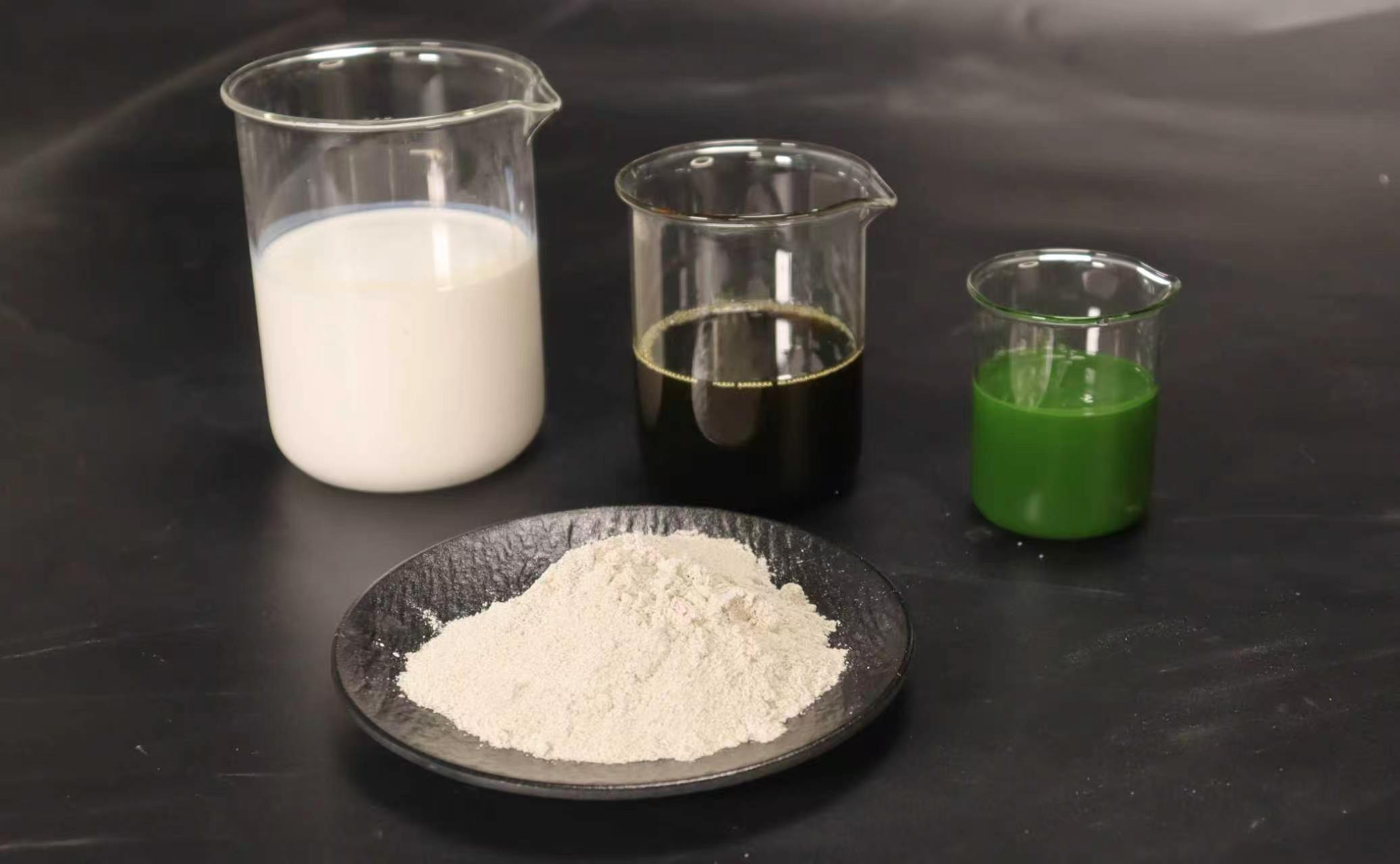
The real test for any acrylic dust suppressant comes after the first heavy downpour. Many site managers have watched a fresh application look solid on a dry afternoon, only to wonder if the next storm will wash it straight into the drainage ditch. The short answer is that it depends on how the product was formulated and applied. Cheaper blends that rely mostly on surface film formation often lose their grip once water pools or runs across the treated area, leaving behind patchy coverage and a quick return of airborne dust.
What separates a reliable acrylic suppressant from a temporary fix is the way it bonds with the substrate. High-performance products are designed to penetrate the top layer of soil or aggregate, then cure into a flexible, water-resistant matrix rather than just sitting on the surface. Some formulas include cross-linking agents that help the polymer chains lock together even when saturated, so rainwater tends to bead up and flow off instead of dissolving the binder. You can often see the difference after a storm: a good application may show slight erosion at the edges but the treated surface remains firm underfoot, while a poor one turns muddy and slick.
That said, no acrylic product is completely immune to prolonged immersion or heavy mechanical wear. Sloped areas and high-traffic zones will always need more frequent touch-ups. The key is to match the product to the specific conditions, avoid over-diluting during mixing, and give the suppressant enough curing time before rain is expected. If you are working in a region with sudden downpours, a quick post-rain inspection will tell you more than any lab test: walk the site, check for soft spots, and reapply only where the binder has actually broken down rather than blanket-spraying the whole area again.
Testing Acrylic Dust Control on High-Traffic Gravel: What We Found
We applied a diluted acrylic copolymer to a 200-foot stretch of gravel road that sees roughly 80 vehicle passes a day. Within the first week, the treated section held noticeably less loose fines than the untreated control, even after a dry spell with steady wind. The surface stayed firm enough that we didn't need to regrade before the next scheduled maintenance pass, which saved about half a day of labor.
By week three, traffic had begun to wear through the acrylic layer in the wheel tracks, so the dust suppression dropped from roughly 70% to closer to 40% compared to baseline. A second light application brought it back up, but the cost per square yard made us question whether it's practical for longer stretches unless the road gets frequent use or sits near sensitive areas like homes or crops.
One unexpected issue was surface slickness during the first heavy rain. The acrylic didn't wash away, but it left a thin film that made braking slightly less predictable for about two days. After that, traction returned to normal. For a high-traffic gravel road, a single application won't last a full season, but it can stretch the interval between grading and reduce airborne dust enough to keep neighbors happier.
The Real Cost of Short-Term Dust Control vs. Acrylic
Quote a per-gallon or per-ton price for short-term dust suppressants—water, magnesium chloride, or lignin sulfonate—and the number looks too good to pass up. But that figure rarely survives contact with a real haul road or construction site. The genuine expense shows up in the repeat applications, the water trucks running non-stop through a dry season, the labor hours spent reapplying after every heavy rain or high-wind event, and the production slowdowns while crews wait for the next spray. These costs accumulate quietly, often buried in maintenance line items that don't get flagged until a quarterly report makes the total impossible to ignore.
Acrylic copolymer dust control demands a higher initial outlay, which makes procurement teams hesitate. Yet that upfront difference fades once you calculate reapplication frequency. A properly applied acrylic treatment can hold the surface together for months, even under constant traffic, without needing daily or weekly touch-ups. Short-term products wash out, blow away, or simply wear through the tire-polished top layer within weeks. Every reapplication re-triggers the same logistical chain: schedule the truck, pay the operator, buy the product, shut down the affected lane, and accept the productivity hit. Over a twelve-month cycle, those repeated interventions often exceed the acrylic's one-time cost while delivering worse dust control in the gaps between treatments.
The real cost also includes what doesn't show up on a purchase order. Fines for airborne particulate violations, complaints from neighboring properties, equipment wear from abrasive dust infiltration, and the safety risks of reduced visibility on active roads all carry a price. Short-term dust control treats the symptom for a few days; acrylic stabilizes the surface itself, reducing the underlying erosion and particle release that create the problem. When you factor in cleanup, regulatory exposure, and the man-hours spent managing a recurring headache, the inexpensive option usually stops being inexpensive somewhere around the third or fourth reapplication.
Acrylic on Unpaved Roads: Performance Beyond Expectations
Most road marking materials give up when the surface isn't smooth asphalt or concrete. Gravel, dirt, and crushed stone shift under traffic, peel away paint films, and trap moisture that breaks adhesion. Acrylic formulations developed for these conditions take a different route: they stay flexible enough to move with the loose surface, yet hard enough to resist abrasion from tires and dragging equipment.
On unpaved roads, the real test comes after rain and heavy vehicles. A high-quality acrylic doesn't just sit on top; it grips the irregular profile of stones and compacted earth. The binder locks fines together, reducing washboarding and dust kick-up while keeping the marking visible. Because it cures through evaporation rather than a chemical reaction, it can handle dust and slight moisture that would ruin other coatings.
Crews often expect short service life on gravel roads, but the right acrylic changes that assumption. Markings remain legible through seasonal grading and repeated passes, and touch-ups blend without obvious halos. Instead of reapplying every few weeks, maintenance intervals stretch to months. That's performance beyond expectations, built from a material that understands unpaved reality.
Applying Acrylic Dust Suppressant: Rates, Timing, and Common Pitfalls
The right application rate depends heavily on the surface you are treating and how much traffic it sees. For compacted gravel roads or parking lots, a diluted acrylic product typically goes on at 0.25 to 0.5 gallons per square yard when mixed with water. Lighter applications may work for low-traffic areas, but heavier industrial yards often need the upper end of that range or a second pass after the first has cured. Always start with a small test section to see how the product binds with your specific aggregate, because porosity and fines content can change how much liquid the surface will actually absorb.
Timing is just as critical as the rate. You want the ground to be slightly damp but not muddy, and temperatures should stay above 50°F for at least 24 hours after application so the polymer can form a proper film. Avoid spraying right before heavy rain, since a downpour can wash the suppressant away before it cures. Late spring through early fall usually offers the most predictable weather, but even then, watch for high winds that can cause uneven coverage or drift onto nearby vehicles and landscaping.
Common pitfalls often come down to impatience or overcompensating. Applying too much product too fast can leave a sticky, shiny layer that peels off in sheets, while under-diluting can clog spray nozzles and create slick spots. Another frequent mistake is skipping surface preparation: loose debris and potholes need to be graded or filled first, otherwise the suppressant locks in ruts and bumps. Finally, don't treat acrylic as a one-time permanent fix. Most surfaces need a maintenance coat every six to twelve months, depending on traffic volume and weather exposure, to keep dust levels down without building up an overly thick crust.
FAQ
Instead of relying on moisture or hygroscopic salts, a good acrylic polymer binds loose particles together at the surface. Once cured, it forms a flexible but durable crust that doesn't need constant re-wetting to stay effective.
On a well-prepared surface, a single application often lasts anywhere from six months to over a year, depending on traffic volume, weather, and the specific acrylic concentration used.
It performs well on unpaved roads, construction site access routes, mine haul roads, and open storage areas. The key is that the surface has enough fine material for the polymer to bind; pure gravel or sand may need a blended approach.
Most quality acrylic dust suppressants are non-toxic and non-corrosive once cured, so they are generally safe for surrounding plants and won't accelerate rust on vehicles. Still, it's wise to check the product's safety data sheet for any specific restrictions.
Yes, that's actually where it has a clear advantage. Since the cured crust is not dependent on humidity or salt absorption, it remains stable in arid environments and resists wind erosion better than water-based treatments.
Remove loose debris, fill potholes, and grade the area evenly. The surface should be damp but not muddy. Applying to dry, dusty ground often leads to poor penetration and a weaker crust.
It can be applied with a standard water truck or sprayer, but achieving a uniform coverage rate matters. For large or high-traffic areas, hiring a contractor with experience in polymer dust control usually gives more consistent results.
They are less effective on extremely coarse surfaces with little fine material, and they may not be economical for very short-term projects where the site is going to be disturbed again within weeks.
Conclusion
Most dust suppressants lose effectiveness within a few weeks because they rely on water-soluble salts or light oils that wash away with rain or break down under traffic. Acrylic formulations work differently: they bond with soil particles and cure into a flexible, water-insoluble film. This means the treated surface remains stable long after a magnesium chloride or lignin product would need reapplication. We tested acrylic on a gravel road after heavy rain, and the treated sections stayed intact, with minimal mud and no visible dust plume. The product does not re-dissolve or leach once cured, so a single application can hold up through wet-dry cycles and freeze-thaw conditions better than conventional options.
On high-traffic unpaved roads, acrylic exceeded expectations. Even with daily truck loads, the surface showed only minor loosening after eight weeks, whereas untreated control sections became deeply rutted and dusty within days. The real cost difference is not just per gallon; short-term suppressants require frequent reapplication, labor, and water trucks, while acrylic often lasts a full season or longer. Application rates typically range from 0.5 to 1.5 gallons per square yard depending on soil type and traffic, and timing matters: apply when the road is slightly damp, not saturated, and avoid application before heavy rain. Common pitfalls include over-diluting the concentrate, skipping surface grading, and applying in direct sun on very hot days, which can cause rapid curing before penetration. Done right, acrylic provides a durable, lower-maintenance solution that outperforms repeated short-term treatments.
Contact Us
Contact Person: Helen
Email: [email protected]
Tel/WhatsApp: 86 18630661160
Website: https://www.roadmilestone.com/