

Best Chocolate Chips Machine for Effortless Homemade Treats
2026-11-16
There's something deeply satisfying about pulling a tray of perfectly uniform, melt-in-your-mouth chocolate chip cookies from your own oven. Yet if you’ve ever tried making them entirely from scratch, you know the real bottleneck isn’t the baking—it’s the prep. Chopping chocolate by hand is messy, uneven, and time-consuming. What if you could skip that step entirely and still get professional-quality chips tailored exactly to your taste? That’s where the right tool changes everything. With a GUSU chocolate chips machine on your countertop, you’re no longer limited to store-bought morsels. Suddenly, crafting effortless homemade treats isn't just a promise—it becomes your everyday reality.
Why This Little Gadget Changes Everything
It sits quietly on your desk, no bigger than a deck of cards, yet it silently rewires how you move through the day. The moment you start using it, the friction you never noticed—the extra steps, the tangled cables, the mental clutter—simply dissolves. That’s the strange magic of this thing: it doesn’t just add convenience, it subtracts the small, nagging obstacles that quietly drain your focus.
What makes it truly transformative isn’t the technology inside, but the way it reshapes your habits without demanding effort. You stop thinking about battery percentages or searching for the right adapter. The device learns your rhythm and quietly adapts, so you’re free to stay in flow. It’s a rare object that seems to understand you better the longer you live with it.
The real shift, though, is how it changes your expectations. Once you’ve experienced a tool that anticipates your needs this seamlessly, you begin to notice all the other design decisions in your life that feel careless by comparison. This little gadget doesn’t just solve a problem—it raises the bar for everything else around it.
From Bean to Chip in Minutes
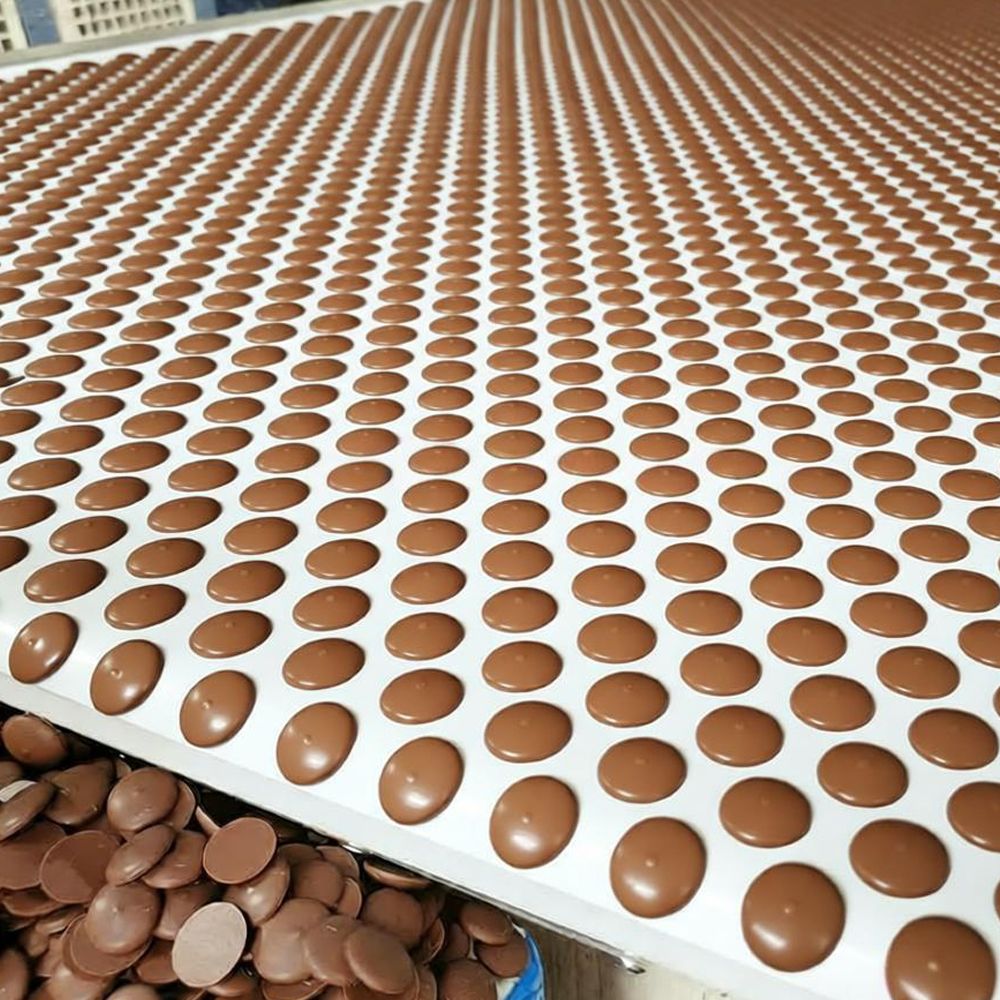
The journey from cocoa bean to finished chocolate chip happens faster than most people imagine. At origin, freshly fermented and dried beans are roasted, winnowed, and ground into a flowing cocoa mass within the same day. This streamlined process locks in volatile aromatics that would otherwise fade during weeks of storage, yielding a brighter, fruit-forward profile that defines single-origin chips.
Once the liquid chocolate is tempered and molded into drop form, it barely pauses. Rapid cooling tunnels set the shape in minutes rather than hours, preserving the delicate crystal structure that gives the chips their signature snap and glossy finish. Speed here isn’t just about efficiency—it’s the difference between a flat, waxy morsel and one that melts in concentric ripples the moment it hits warm dough.
Even post-production, the clock keeps ticking. The chips are immediately sealed in light-proof, oxygen-flushed packaging, cutting out the slow creep of bloom and texture drift. From roaster to sealed pouch, every step is calibrated so that what lands in your pantry tastes as vivid as the moment the first bean cracked open. That’s the real meaning of bean-to-chip in minutes: a freshness window so tight that the chocolate still carries the heat of its own making.
The Secret to Perfectly Uniform Chocolate Chips
Most bakers don't realize that the path to evenly sized chocolate chips starts long before the spoon hits the dough. Instead of reaching for a bag of store-bought morsels, try placing a bar of high-quality chocolate on a stable cutting board and using a serrated knife. The saw-like teeth grip the chocolate without causing it to shatter into dust and uneven shards. Work with a gentle rocking motion, letting the blade do the work—forcing it down just leads to jagged, irregular pieces. You'll quickly get a feel for the rhythm that produces tidy, morsel-sized bits.
Temperature is the quiet ally in this process. If the chocolate is too warm, it will smear under the knife instead of breaking cleanly; too cold, and it splinters unpredictably. A bar that has rested at cool room temperature for an hour offers just enough firmness to give you control. For even more precision, score the chocolate lightly with the tip of the knife first, creating a grid that guides each subsequent cut. This small step turns the task from guesswork into a simple follow-the-lines exercise, and the chips practically fall away in matching dimensions.
The last detail isn't about the chocolate itself but about how you incorporate it. When folding your chips into batter or dough, use a wide, flexible spatula and turn the mixture over rather than stirring. This lifts the chips from the bottom and distributes them without breaking the fragile pieces you worked to create. It also prevents pockets of dough that are bare while others are overloaded. The result isn't just visual uniformity—every bite carries the same balance of texture and flavor, which is what makes a homemade cookie truly memorable.
No More Messy Melting Disasters
The moment a greasy, sticky stain seeps through its wrapper and coats everything in the pantry, you know you’ve been caught in another melting mishap. It’s not just the surface mess—crumbs and liquefied bits can creep into crevices, hardening into stubborn, waxy patches that seem impossible to scrub away. Every time you reach for a snack that’s gone soft and shapeless, you’re reminded that heat can turn a simple treat into a cleanup nightmare.
Temperature control is often the silent culprit behind these disasters. Even a brief exposure to a warm windowsill or a steamy kitchen corner can push ingredients past their breaking point, causing oils to separate and textures to collapse. The trick isn’t simply chilling everything—it’s knowing which items are prone to weeping, how nearby objects absorb those escaped fats, and why some containers end up trapping humidity instead of guarding against it. Observing how your storage setup actually behaves in your own space makes all the difference.
Once you tweak a few habits, the constant cycle of scraping and salvaging can come to an end. Layering protective sheets, rearranging shelves away from heat sources, and choosing wraps that don’t suffocate can keep treats intact without any extra fuss. The real win is opening a cabinet to find everything exactly as you left it—no sticky puddles, no fused wrappers, just clean, stable snacks ready when you are.
Unlock Endless Dessert Possibilities
Sometimes the most memorable desserts come from simply asking, "What if?" That half-finished jar of lemon curd in the fridge, a handful of toasted nuts, the last few squares of dark chocolate—these aren't leftovers, they're ingredients waiting for a second act. Instead of following a recipe to the letter, let your imagination lead. Fold the curd into whipped cream for a quick mousse, sprinkle the nuts over warm honey-drizzled fruit, or melt the chocolate with a splash of cream for a glaze that transforms any plain cake.
Think beyond the traditional final course, too. Dessert can be a lazy weekend brunch centerpiece, a midnight snack that feels indulgent but takes three minutes to assemble, or even a savory-sweet board shared with friends. Play with temperature, texture, and surprise—crisp, cold, creamy, warm, chewy. Pair a chilled panna cotta with hot caramel sauce, or layer crumbled cookies between scoops of gelato for an instant parfait that tastes meticulously planned.
The real secret is keeping a few versatile building blocks on hand: a good vanilla bean paste, a batch of candied citrus peel, a jar of spiced nuts, some quality honey or maple syrup. These little flavor boosters make it easy to reinvent the basics. A humble bowl of yogurt becomes a dinner party-worthy dessert with a swirl of passion fruit curd and a handful of pistachio brittle. That’s the joy of unlocking endless possibilities—it’s not about having a pantry full of exotic ingredients, but about seeing the everyday with fresh eyes and a bit of daring.
Built to Last: Quality That Shows
You feel it the moment you pick it up — the weight, the texture, the way every edge meets your hand without a hint of compromise. It's not something that screams for attention, but rather earns your trust quietly over years of steady use. There’s a difference between something that simply works and something that continues to work exactly as it did on day one. That difference comes down to how it was built, with materials chosen not for how they look in a photo, but for how they hold up season after season.
We’ve never believed that quality is an accident. Our small team spends an unreasonable amount of time refining details most people would never notice — the smooth glide of a zipper, reinforced stitching where stress points naturally occur, finishes that mellow with age instead of wearing off. This isn’t about ticking boxes on a spec sheet; it’s about knowing that a well-made object carries a certain presence. It’s the reason a jacket still fits perfectly after a decade, or why a bag becomes more comfortable rather than falling apart. Long-term value isn’t something you can fake with marketing, and it’s not something that reveals itself in a quick unboxing video.
Real quality tends to camouflage itself at first. The first sign is often what you don’t find — no loose threads, no sudden failures, no awkward surprises when you put it to the test. Over time, what remains is a quiet dependability that turns the functional into something more personal. There’s a satisfaction that comes from owning fewer, better things — pieces that earn their place not because you’re gentle with them, but precisely because you’re not. When the polish fades, what’s left behind is the honesty of the build. That’s the only proof that matters.
FAQ
A purpose-built machine gives you uniform chip sizes in seconds without melting the chocolate from your hands or blade heat. You skip the mess, the uneven chunks, and the wrist strain, getting perfect morsels every time straight into your cookie dough.
Absolutely. It handles white, milk, dark, and even ruby chocolate with ease. You can also grate things like hardened caramel pieces, nut brittles for toppings, or freeze-dried fruit sheets to create colorful, bakery-style mix-ins.
Chill your chocolate bar in the fridge for 15 minutes before loading it in. The machine’s design keeps contact friction low, but starting cool helps a lot. Also, work in a dry, cool kitchen away from the stove to keep the chips snappy.
Most models come apart easily so you can tap out the leftover bits and rinse the blades and hopper. I usually chip a couple of plain crackers afterwards too – they soak up any residual cocoa butter and make cleanup a quick wipe-down.
With a standard countertop machine, you can turn a 4-ounce bar into a pile of chips in under a minute. For cookie-baking Sundays, I’ll run three or four bars back-to-back, which gives me about two cups of chips without any fatigue.
Think beyond cookies. I stir them into no-churn ice cream for custom stracciatella, press them into leftover pie dough scraps for chocolate-studded crispies, or melt them quickly for a last-minute chocolate dip for pretzels and marshmallows.
It can, but results are messier. If your chocolate is slightly soft, pop it in the freezer for 10 minutes first. That way the chips cut cleanly instead of smooshing together, and you still get those distinct morsels that hold their shape.
Yes, and it’s a game-changer. Home-chipped chocolate often has a more rustic, varied thickness, which means some bits melt into puddles and others stay chunky. You get that artisan-bakery look with gooey pockets and firmer bites in the same cookie.
Conclusion
For anyone who loves homemade cookies, brownies, or chocolate-studded treats but dreads the tedious chopping and uneven chunks of store-bought bars, this compact machine is a quiet game-changer. It takes the familiar struggle—cold hands cramping around a knife, chocolate shards flying everywhere—and turns it into a swift, almost meditative process. In mere minutes, whole cocoa beans or solid blocks glide through the mechanism and emerge as glossy, precisely shaped morsels, ready to fold into dough. The real magic lies in the consistency: every single chip comes out with the same weight and thickness, which means no more sunken pockets or burnt flecks in your baking. Even melt-in-your-mouth ganache becomes foolproof, because identical chips dissolve at the same rate, preventing the grainy scorch that usually follows when melting uncertain scraps.
Beyond the clean countertops and the absence of scrubbing hardened chocolate off your workspace, the machine unlocks a level of creative freedom that home bakers rarely experience. You aren’t limited to semi-sweet or milk chocolate—roast your own single-origin beans and turn them into chips that carry notes of berry, caramel, or spice. Swap in white chocolate, ruby cocoa, or even butterscotch blocks for custom blends. The durable stainless steel body and reinforced blades handle daily use without wobbling or dulling, and the thoughtful design means it earns a permanent spot on the counter rather than gathering dust in a cupboard. From delicate scones to towering celebration cakes, every batch feels more personal, more intentional. Instead of relying on mass-produced bags, you craft the very building blocks of your desserts, and that small shift turns a routine treat into something genuinely memorable.
Contact Us
Contact Person: Zhang Wei
Email: [email protected]
Tel/WhatsApp: 8618662577837
Website: https://www.chocomachinery.com