

Best Solar Panels for Farm Factories: Maximizing Energy Efficiency in Agricultural Operations
2026-08-07
Running a farm factory means every kilowatt-hour counts. From powering automated feeding systems to climate-controlling livestock barns, energy bills can spiral fast. The right solar setup doesn’t just cut costs—it turns your vast roof space into a long-term asset. At Topfencesolar, we’ve seen how purpose-built panels handle the dust, vibrations, and heavy loads unique to agricultural environments. This guide walks you through choosing panels that balance upfront investment with decades of reliable output—so you can keep operations humming while the sun does the heavy lifting.
Why More Farm Factories Are Covering Their Roofs With Solar
The shift isn't just about saving on electric bills—though that's a big part of it. For many large-scale agricultural operations, the roof space was simply going to waste. By installing photovoltaic panels, they're turning a passive structure into a productive asset, generating power right where it's needed most. That energy then directly offsets the substantial load from ventilation fans, refrigeration units, and processing machinery that run around the clock.
There's also a less obvious driver: supply chain expectations. Major buyers and retailers are increasingly demanding proof of sustainable practices from their producers. Rooftop solar offers a visible, verifiable step toward lower carbon footprints without disrupting the tight choreography of a working farm. It's a tangible upgrade that fits neatly into existing infrastructure, avoiding the land-use dilemmas that come with ground-mounted arrays.
And then there's resilience. With extreme weather becoming more frequent, on-site generation provides a buffer against grid outages that could spoil entire harvests or interrupt milking schedules. Combined with battery storage, these rooftop systems can keep critical loads running until power is restored, turning a simple roof into a safeguard for the business.
Picking Panels That Laugh at Dust, Dampness, and Fumes
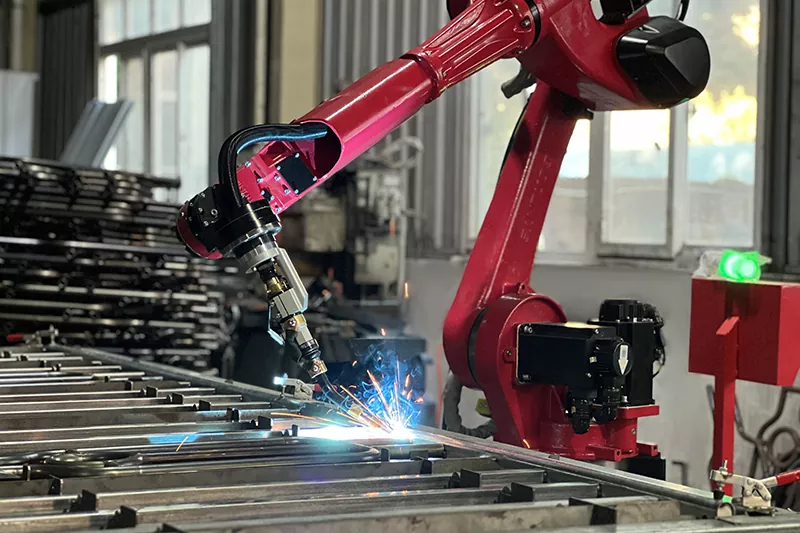
Most electrical panels aren’t built for the environments where they end up. In spaces thick with sawdust, flour, or fine metal particles, standard enclosures become dust traps. The real trouble starts when that accumulation meets moisture—then you’re looking at conductive sludge that can bridge terminals or corrode contacts silently. And if the air carries chemical fumes from cleaning agents, solvents, or curing processes, even the board’s protective coatings can break down faster than expected. The right panel for these conditions isn’t just sealed; it’s designed to shed particulates and resist absorption.
Materials matter far more than most cut sheets let on. Polycarbonate blends hold up against impact and don’t rust, but some grades turn brittle under prolonged UV or fume exposure. Stainless steel—304 is common, 316 is better—keeps corrosion at bay, yet can still etch if the wrong chemical cocktail settles on the surface. Then there’s silicone gasketing that stays springy over years, unlike foam seals that degrade and let moisture creep in. I’ve seen panels fail within months because a smooth-looking door didn’t compress the gasket evenly, creating a tiny air gap that drew in damp air every time the factory temperature dropped at night.
Beyond IP ratings, look for design details that reflect real-world use. Sloped tops stop water or dust from pooling; breather vents with hydrophobic membranes equalize pressure without inviting humidity; conduit entries from the bottom—never the top—prevent liquid from following cables downward. Even the panel’s interior layout counts: components mounted on standoffs rather than flush against the back wall allow airflow and make condensation less of a threat. It’s not about finding an enclosure that ticks all the technical boxes—it’s about picking one that’s clearly imagined for the messiest corners of your facility, where ordinary gear goes to die.
The Overlooked Benefit of Cooler Barns and Happier Herds
When dairy farmers invest in cooling systems for their barns, the immediate goal is usually to keep cows from overheating during scorching summers. Heat stress slashes milk production, disrupts breeding cycles, and can even lead to serious health issues. But there's a quieter, less obvious payoff that goes beyond the bulk tank readings: calmer, more contented cows that simply get along better. In a well-ventilated, mist-cooled barn, cows spend less time jostling for the shadiest corner or panting beside a water trough, and more time lying down, chewing cud, and quietly socializing.
Scientists have long noted that heat-stressed cows become more aggressive, competing fiercely for any scrap of relief. That constant low-grade conflict drains energy and raises stress hormones, which in turn depresses immunity and milk quality. Cooler barns flip that dynamic. With every animal comfortably lounging, the herd's social structure stabilizes. You'll see fewer displaced at the feed bunk, fewer tail-flicking standoffs, and a noticeable drop in those frantic, heat-driven scrambles. This peaceful environment not only feels right, it measurably reduces lameness and injuries that come from repeated shoving and slipping.
The hidden benefit, then, is a kind of barnyard harmony that shows up in subtle ways: healthier hooves because cows aren't standing nervously on concrete, lower somatic cell counts because stress isn't hammering immune systems, and staff who spend less time breaking up fights and more time on proactive care. It turns out that a cooler barn doesn't just make cows more productive — it makes them nicer to each other, and that gentle disposition ripples through the entire operation in ways a thermometer alone can't measure.
Sizing Your Setup Without Draining the Budget
It’s tempting to assume that bigger always means better when planning a workspace or production area, but that mindset can quietly inflate costs without delivering real value. Instead of defaulting to the largest possible footprint, start by mapping out the actual flow of daily tasks. Pay attention to how often you move between stations, which tools are used together, and where bottlenecks tend to happen. Often, a smaller, more deliberately arranged setup actually speeds things up—and keeps your wallet happier. Think of it less about square footage and more about smart allocation of the space you genuinely need.
One practical way to keep costs in check is to prioritize flexibility over fixed infrastructure. Modular shelving, mobile workbenches, and foldable partitions allow you to reconfigure the layout as demands change, so you’re not locked into a single expensive configuration. Repurposing existing furniture or equipment can also shave off a significant portion of the budget—sometimes a fresh coat of paint or a simple modification is all that’s needed to make something work harder for you. The key is to resist the pressure to buy everything new and shiny upfront; let the setup evolve alongside the actual rhythm of the work.
Finally, think in layers rather than in one giant leap. Start with the essentials that directly impact your core output, and leave the “nice-to-haves” for later. This approach not only distributes spending over time but also gives you real-world data on what’s actually worth investing in. You might discover that a simple pegboard organizer does the job just as well as a custom cabinet system, or that natural light reduces the need for elaborate lighting rigs. Sizing your setup without draining the budget isn’t about deprivation—it’s about making every purchase earn its place.
When Batteries Actually Earn Their Keep on a Farm
On a working farm, batteries aren't just for starting tractors—they're the quiet workhorses that store solar energy for the long overnight milking shifts. Picture a dairy operation where the morning and evening milkings draw the most power. Batteries charged by midday sun kick in right as the grid prices peak, running vacuum pumps and cooling tanks without a hiccup. That’s when you realize they've earned their place: silently bridging the gap between nature's clock and the farmer's schedule.
It’s in the unexpected moments that batteries truly prove their worth. When a summer storm knocks out the main power line, the backup battery bank keeps the greenhouse fans turning and the irrigation controller on schedule. No panic, no spoilage—just a seamless switch that saves a crop of tomatoes from cooking in the afternoon heat. Here, batteries aren’t an extra gadget; they’re a lifeline that pays for itself the first time disaster strikes.
And then there’s the less dramatic, but equally valuable, daily grind. Feed mixers, grain augers, and well pumps often cycle on and off unpredictably, causing massive demand spikes that strain a farm’s electrical infrastructure. A properly sized battery system absorbs those surges, allowing the farmer to avoid expensive demand charges from the utility. Over a year, the savings add up—quietly, steadily, making the battery a partner in the farm’s financial health, not just a piece of equipment.
The Maintenance Mistake That Quietly Kills Your Payback
Skipping routine equipment checks might feel like saving time, but it’s actually draining returns in ways you won’t notice until it’s too late. A single overlooked filter or a misaligned sensor doesn’t just reduce efficiency—it starts a ripple effect where other components work harder, fail faster, and push your operating costs into a slow upward spiral. By the time the numbers show a problem, you’ve already lost months of potential profit.
What’s tricky is that this mistake rarely triggers immediate alarms. Machines run, output stays steady, and everything seems normal while waste creeps up in the background. A lubrication point here, a calibration drift there—each minor issue quietly slices away at payback margins until the original investment timeline doubles without a single dramatic breakdown. The real danger lies in the silence; no flashing lights, just a steadily eroding bottom line.
Breaking this cycle isn’t about over-maintaining, but about plugging the gaps that most operators ignore. Simple changes—like tracking wear patterns before they become failures or recalibrating tolerances after seasonal shifts—often deliver the quickest impact. When you stop treating maintenance as a chore and start seeing it as a lever for preservation, the payback clock starts ticking in your favor again.
FAQ
Farm factories often have large, unobstructed roof spaces with high energy demands for lighting, ventilation, and machinery. Panels with higher durability and resistance to agricultural environments, such as dust and humidity, are ideal. Bifacial panels can be particularly effective, capturing reflected light from metal roofs to boost production.
Start by auditing your facility's energy consumption over a typical production cycle, noting peak loads. Then factor in future expansion plans. A common rule is to aim for panels that cover at least 80–90% of daylight-hour consumption, allowing a 10–20% buffer for efficiency degradation and increased usage.
Monocrystalline panels with anti-soiling coatings are excellent for dusty areas, as they minimize grime buildup and are easier to clean. For high humidity, look for panels with sealed junction boxes and corrosion-resistant frames, such as anodized aluminum, to prevent moisture ingress and electrolysis.
Yes, agrivoltaic designs allow panels to be mounted on elevated structures above crops or livestock areas, providing shade and reducing water evaporation. On factory roofs, lightweight thin-film or frameless panels can be used without major structural reinforcement, keeping the interior space fully usable.
Adjustable tilt mounts are best for flat or low-slope roofs, allowing seasonal angle changes to follow the sun's path. For regions with heavy snow, elevated ballasted systems prevent snow accumulation while maintaining clearance for roof maintenance. Ensure the system is certified for wind uplift in open rural areas.
Farm factories can get hot, especially under metal roofing. Panels with a low temperature coefficient (-0.3%/°C or better) lose less efficiency as heat rises. Opt for modules with good thermal dissipation design, and leave an air gap between roof and panels for cooling, which also protects roofing material.
Regular cleaning is crucial — schedule it after harvest or during low-dust periods. Use soft brushes and non-abrasive cleaners to avoid scratching. Inspect wiring for rodent damage and check inverter readings monthly. Keep surrounding areas free of tall vegetation to prevent shading and animal interference.
Many regions offer grants, tax credits, or accelerated depreciation for agricultural renewable energy projects. For example, the USDA's REAP program in the U.S. provides loans and grants. Net metering policies also let excess power offset barns or irrigation pumps, improving return on investment without relying on feed-in tariffs.
Conclusion
Agricultural operations are rapidly adopting rooftop solar, driven by the dual need to cut energy bills and meet sustainability targets. Modern farm factories now cover expansive roofs with photovoltaic systems that do more than just generate power; they also provide shade that cools barn interiors, leading to measurable gains in livestock comfort and productivity. Selecting the right panels is critical—units must endure harsh on-farm conditions, including abrasive dust, persistent dampness, and corrosive fumes from fertilizers or animal waste. Fortunately, advances in panel coatings and ruggedized designs mean today's solar installations can shrug off these elements, reliably delivering energy year after year while also helping regulate indoor temperatures without extra energy expenditure.
Designing a solar array that matches a farm's consumption profile without overspending requires careful load analysis and consideration of seasonal demand patterns. Many farms find that adding battery storage unlocks greater financial returns, especially when time-of-use tariffs or peak demand charges apply. Batteries store surplus daytime generation for use during milking times, irrigation, or nighttime ventilation, turning an intermittent resource into a dependable power supply. Yet even the best system can underperform if maintenance is neglected. A common pitfall is allowing dust and grime to accumulate on panels, gradually eroding output. Combined with unchecked wiring connections and inverter faults, this small oversight can quietly nullify the expected payback, making regular inspection and cleaning an essential habit for long-term profitability.
Contact Us
Contact Person: Nancy
Email: [email protected]
Tel/WhatsApp: +86-13365923720
Website: https://www.topfencesolar.com/