

Best Warehouse Forklift Options to Consider for Your Facility
2026-07-24
Choosing the right forklift for your warehouse can make or break your operational efficiency. From electric counterbalance models to rugged reach trucks, the options are vast—but not all are created equal. Whether you're navigating narrow aisles or handling heavy pallets, you need equipment that balances performance, durability, and cost. That’s where HANGCHA comes in, offering a range of innovative solutions designed to tackle real-world warehouse challenges. In this guide, we’ll cut through the noise and explore the best warehouse forklift options that truly deliver on the floor, helping you make a confident, informed decision.
Going Electric: Cleaner, Quieter Performance for Indoor Use
Switching to electric equipment transforms indoor spaces by eliminating exhaust fumes entirely. No more worrying about carbon monoxide buildup or lingering fuel smells that can compromise air quality and comfort, especially in enclosed settings like warehouses, greenhouses, or event halls. This clean operation not only safeguards the health of operators and visitors but also protects sensitive inventory—from food products to museum pieces—from contamination. The absence of combustion byproducts means you can run machines right alongside people without ventilation headaches, keeping worksites compliant with strict indoor emission standards.
The quiet nature of electric motors is a game-changer for noise-sensitive environments. Imagine forklifts gliding through a stockroom with little more than a gentle whir, or floor scrubbers humming unobtrusively while customers browse. This low-decibel performance reduces operator fatigue, allows for clear communication, and prevents the disruption common with gas-powered alternatives. Facilities near schools, hospitals, or residential areas especially benefit, as the subdued sound profile opens the door to extended operating hours without neighbor complaints. It’s about blending powerful functionality with a calm atmosphere that traditional engines simply can’t match.
Beyond immediate comfort, electric machines bring long-term advantages rooted in their simplified mechanics. Without spark plugs, oil changes, or complex exhaust systems, daily maintenance becomes a breeze—just check batteries and keep moving. The instant torque delivery and seamless acceleration make them nimble and precise, perfect for tight indoor aisles where every inch counts. And because they run cool without hot engine blocks, the risk of burns or fire in sensitive areas drops significantly. This combination of effortless upkeeping, refined handling, and inherent safety makes going electric a practical choice that elevates indoor operations on every front.
Heavy Lifting with Internal Combustion Forklifts
Internal combustion forklifts remain the backbone of heavy lifting operations in environments where electric models fall short. With robust diesel, gasoline, or LPG engines, these machines deliver the high torque and sustained power needed to move massive loads across challenging terrains. Whether it’s maneuvering steel coils in a scrapyard or handling construction materials on uneven ground, their ability to operate continuously without lengthy recharge cycles makes them indispensable for high-demand tasks.
Modern models are designed with ergonomics and safety in mind, incorporating features like enhanced visibility masts, load-sensing hydraulics, and stability systems that automatically adjust to load weight and lift height. These innovations reduce operator fatigue and minimize the risk of tip-overs, even when handling irregularly shaped or top-heavy items. For yards where shifts run around the clock, the quick refueling capability—often just a few minutes—keeps downtime minimal and productivity soaring.
When pairing the right forklift with specific tasks, factors like lift capacity, mast height, and tire type come into play. Pneumatic tires, for instance, excel on gravel or muddy lots, while cushion tires suit smooth factory floors. The versatility extends to attachments such as rotators, clamps, or fork positioners, allowing a single unit to adapt from lifting bulky timber bundles to precisely placing heavy machinery. Ultimately, choosing an IC forklift isn’t just about raw power—it’s about matching the machine’s capabilities to the unique demands of the work environment.
Making the Most of Tight Spaces with Narrow Aisle Models
When floor space is at a premium, every inch counts. Narrow aisle models are purpose-built to slip into those forgotten corners and slim walkways, turning dead zones into productive storage. Unlike standard equipment that demands wide berths, these compact units handle tight turns and close quarters without sacrificing lift capacity or stability. It's not about making do with less—it's about rethinking the layout so the same square footage suddenly works twice as hard.
One of the biggest payoffs comes from reclaiming aisle width that was previously wasted on maneuvering room. By switching to a design that requires just a few feet of clearance, warehouses can squeeze in additional rack rows or consolidate operations in a smaller footprint. Operators often find they can pick and replenish in one smooth motion, reducing travel time and cutting down on that constant back‑and‑forth. The result isn't just denser storage; it's a rhythm that speeds up the whole workflow.
Of course, the machines themselves are only half the story. Training staff on the specifics of narrow‑aisle navigation—like judging offset loads, using mast tilt efficiently, and maintaining visual contact with the base of the unit—keeps things running safely at full tempo. Pair that with regular checks on tires, mast chains, and guidance systems, and you've got a setup that quietly outperforms the old wide‑aisle approach day after day. In the end, the real space‑saver is the clever integration of equipment, layout, and skill.
Weathering the Outdoors: Rough Terrain Forklift Solutions
When jobs move beyond the warehouse and into mud, gravel, or snow, standard forklifts quickly lose their footing. Rough terrain forklifts are engineered specifically for these conditions, combining high ground clearance, robust tires, and powerful drivetrains to keep loads stable on uneven ground. Their ability to handle slopes and loose surfaces isn’t just a convenience—it’s what keeps operations moving when paved surfaces end.
True outdoor readiness goes beyond all-wheel drive. These machines integrate reinforced chassis and sealed components that resist moisture, dust, and temperature swings. Whether navigating rain-soaked lumber yards or icy construction sites, operators rely on features like oscillating steering axles and all-weather cabs to maintain control and comfort. The result is less downtime and fewer weather-related accidents, even in extremes that sideline ordinary equipment.
Pallet Jacks: The Simple Workhorses for Light Tasks
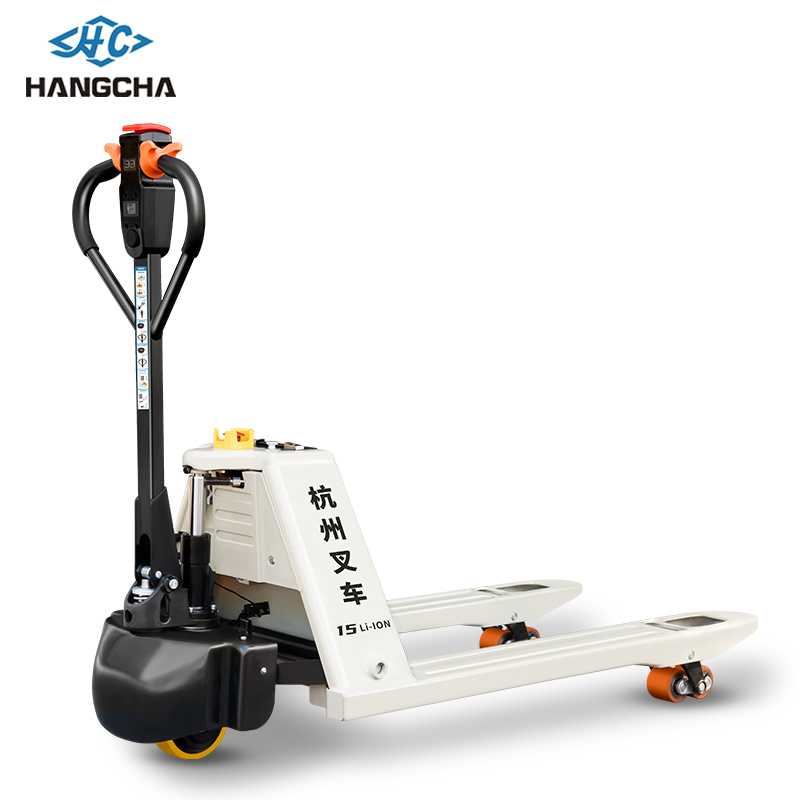
You might not give them much thought, but pallet jacks quietly keep small warehouses and retail backrooms humming. Unlike forklifts that need licensed operators and plenty of space, these compact tools slip easily into tight aisles and can be grabbed by anyone who needs to shift a stack of boxes from receiving to the sales floor. Their straightforward pump-handle mechanism and low-profile forks make them feel almost intuitive—drop the forks, roll under a skid, pump a few times, and you’re moving. No keys, no fuel, no warm-up routine. Just grab and go, which is exactly why they remain indispensable for businesses that handle lighter loads day in and day out.
What really sets a quality pallet jack apart is how it handles the mundane repetition. The best ones are built around durable polyurethane wheels that glide over concrete without leaving skid marks or screeching every time you turn. The handle returns to vertical on its own, saving you from bending over to reset it, and the hydraulic pump offers enough finesse to lift just enough to clear obstacles without jostling the load. While they’ll never be flashy, you notice the difference the first time you navigate a narrow dock plate or maneuver around a cluttered stockroom—the control feels precise, almost like an extension of your own movement.
Over the years, pallet jacks have quietly evolved with features that reduce wear on the people using them. Ergonomic grips, composite bushings that don’t need greasing, and sealed bearings lower the daily friction both physically and mechanically. Some models even shed weight through high-strength steel alloys without giving up capacity. It’s these thoughtful refinements that keep a basic manual pallet jack relevant in an age of automation, proving that for light tasks, simplicity still has a strong grip on efficiency.
Stepping into Automation with Guided Forklifts and AGVs
Adopting automation in material handling often starts with a practical step: introducing guided forklifts and automated guided vehicles (AGVs) into existing workflows. Unlike a full-scale system overhaul, these solutions can be phased in gradually. A single guided forklift deployed in a high-traffic aisle or an AGV handling repetitive transport loops immediately shows the potential. The real draw isn’t just the machine itself—it’s the way it blends into daily operations without demanding a complete rethink of the floor layout or workforce training from day one.
The technology behind these vehicles has matured to the point where they’re more about collaboration than replacement. Sensors, vision systems, and onboard intelligence let them navigate alongside pedestrians and other equipment without rigid physical barriers. When a warehouse adds its first AGV, the initial setup might involve simple magnetic tape or laser guidance, but the system learns and adapts. Operators quickly shift from steering loads to managing exceptions and fine-tuning routes. That shift often reveals gaps—not in technology, but in processes—and that’s where the real gains begin.
What surprises many is how quickly the benefits compound beyond basic labor savings. Guided forklifts reduce product damage caused by human error, keep inventory counts more accurate through integrated scanning, and free up experienced operators for higher-value tasks. The data they generate—travel distances, bottleneck points, idle times—becomes a mirror reflecting operational inefficiencies. It’s this feedback loop, more than the hardware, that turns a single automation pilot into a continuous improvement engine across the facility.
FAQ
Reach trucks and order pickers are the go-to choices for narrow aisles. Reach trucks can extend their forks into racking without moving the whole vehicle, while order pickers let operators grab items at height without destabilizing the load. Both save space and improve efficiency in tight layouts.
Electric forklifts are almost always better indoors because they produce zero emissions and run quietly. IC trucks emit fumes that require ventilation, so unless your warehouse has open doors and powerful exhaust systems, stick with electric. Factor in battery charging infrastructure and long-term energy costs as well.
Generally, no. Rough terrain forklifts have large tires and are built for outdoor, uneven surfaces. Using them indoors can damage floors and racking. If you frequently move loads between an outdoor yard and the warehouse, consider a versatile pneumatic-tire forklift that can handle moderate outdoor conditions while still working inside.
Look at your heaviest regular load, add the weight of the pallet and any attachments, then round up by 20–25% to have a safety margin. Avoid buying more capacity than you truly need, as oversized forklifts cost more and can be harder to maneuver. A thorough load audit is an essential first step.
Side loaders carry long loads like lumber or pipes parallel to the direction of travel, which drastically reduces aisle width requirements compared to standard counterbalance forklifts. This design minimizes turn radius and allows safer, faster handling of long, bulky materials in dedicated storage zones.
Look for stability control systems that prevent tip-overs, blue pedestrian spotlights or zone lights for visibility, automatic speed reduction around corners, and operator presence sensors that shut off the truck if the driver leaves the seat. Operator assist technologies that provide real-time feedback on load weights and mast position can also prevent accidents.
If you run high-volume, repetitive operations with consistent workflows, automated guided vehicles (AGVs) or autonomous forklifts can reduce labor costs and human error. They're less ideal in environments with constantly changing layouts or complex picking tasks. Start with a pilot in one section to gauge ROI before scaling up.
Conclusion
Choosing the right forklift for your warehouse starts with understanding your daily demands. For indoor operations, electric models shine—they produce zero emissions and run quietly, making them ideal for enclosed spaces where air quality and noise matter. When heavier loads are the norm, internal combustion forklifts deliver robust lifting power and faster refueling, though they’re best kept in well-ventilated areas. Narrow aisles can feel like a puzzle, but specialized reach trucks and order pickers are designed to navigate tight spaces without sacrificing capacity, letting you maximize vertical storage and keep workflows efficient.
Outdoor work brings its own hurdles, and rough terrain forklifts tackle uneven ground, mud, and weather with ease, thanks to enhanced tires and higher clearance. For smaller, repetitive jobs, pallet jacks remain unbeatable—they’re simple, affordable, and maneuverable, earning their place as the everyday workhorse of many facilities. Finally, if you’re looking to cut labor costs and boost consistency, automated guided forklifts and AGVs are stepping into the spotlight. They follow programmed paths, handle materials precisely, and integrate into lean operations without fatigue. Balancing these options against your facility’s layout, load types, and environment will lead you to a fleet that truly fits.
Contact Us
Contact Person: Liuxue
Email: [email protected]
Tel/WhatsApp: +86-19084200370
Website: https://www.hf-ec.com/