

China OLED Display Module: Driving Innovation in Global Display Technology
2026-06-23
In the ever-evolving landscape of visual technology, OLED display modules have emerged as a cornerstone of innovation, and China is at the forefront of this transformation. From flexible screens that curve with imagination to ultra-thin panels redefining portability, the advancements are no longer just incremental—they are revolutionary. At the heart of this progress lies a vibrant ecosystem of manufacturers pushing boundaries, and Jingda-Display stands out as a key player driving global standards. But what really sets China’s OLED industry apart, and how is it reshaping the way we interact with screens? As we peel back the layers, you’ll discover a story of relentless R&D, strategic innovation, and a future that’s brighter—and more flexible—than ever.
Shattering Expectations: China’s Ultra-Thin OLED Modules Redefine Device Design
The arrival of Chinese ultra-thin OLED modules is not just an incremental upgrade—it’s a fundamental shift that tears up the design rulebook. Where traditional screens demanded a bulky backlight and stiff glass substrate, these new panels rely on a flexible plastic base and self-emissive pixels, collapsing thickness to less than a millimeter. This vanishing act frees engineers to rethink everything from curved, foldable smartphones to rollable tablets and even soft, wearable displays that cling to fabric. The immediate visual impact is a device that feels more like a window than a gadget, with the screen blending seamlessly into the edge and the body all but disappearing in the hand.
Beyond the wow factor, the truly shattering part is how these modules dissolve long-standing barriers between form and function. By peeling away heft and rigidity, designers can now embed discreet notification strips into furniture, create transparent heads-up displays for car windshields, or craft second-screen wearables that don’t feel like strapping a brick to your wrist. The underlying breakthrough often lies in the marriage of advanced organic materials and precision lamination, which slashes layer count while boosting durability—a panel can flex hundreds of thousands of times without pixel fatigue. It’s this reliability that pushes the technology from lab curiosity to mass-market reality, enabling slim, seamless interfaces that were previously confined to concept videos.
Perhaps the most underrated consequence is the creative reset imposed on industrial design teams. With OLED modules that can be custom-cut into notches, curves, and even holes, the front of a device is no longer a flat, rectangular canvas—it can morph into an interactive sculpture. Camera cutouts blend into the active area rather than interrupting it, and the screen itself becomes the antenna for wireless charging or 5G signals, eliminating unsightly metal strips. As Chinese foundries drive yield rates up and costs down, this technology trickles beyond flagships, empowering mid-range products and niche gadgets alike to offer an immersive, virtually borderless experience. The message is clear: the age of the slab is ending, and device identity will now be defined by what you don’t see rather than what you hold.
Peak Performance Unlocked: Advanced Materials Powering Next-Gen OLED Displays
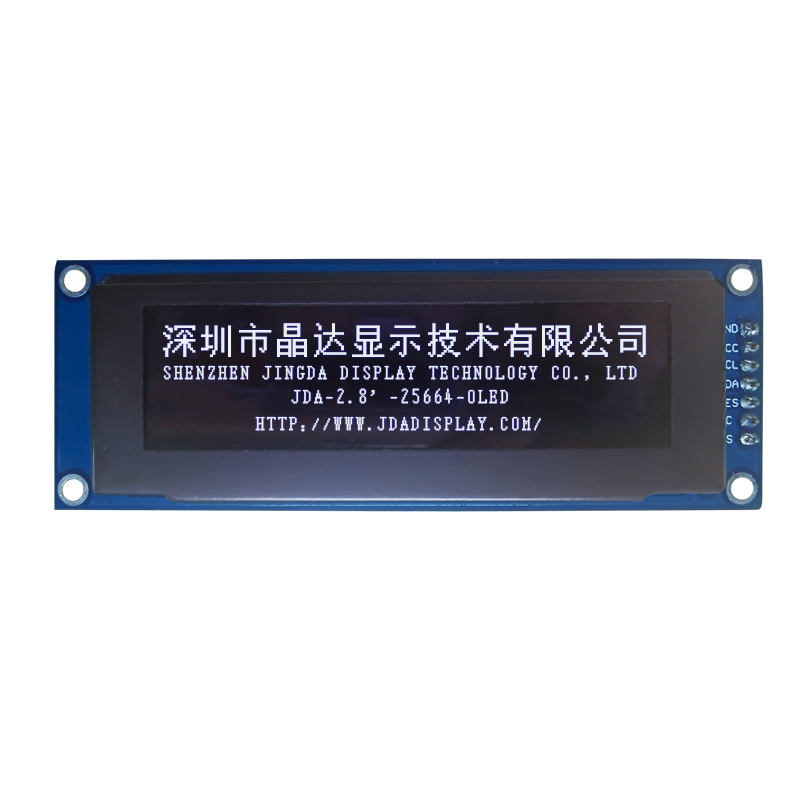
The leap in OLED technology isn't just about brighter screens or deeper blacks—it's rooted in a quiet revolution happening at the molecular level. New emissive materials, from thermally activated delayed fluorescence (TADF) emitters to hyperfluorescent systems, are rewriting the rules of efficiency and color purity. These compounds sidestep the heavy-metal reliance of older phosphorescent designs while pushing internal quantum efficiency close to 100%. The result? Displays that sip power and deliver stunning visuals without the environmental baggage.
Behind the scenes, charge transport layers and host materials have undergone a radical rethink. Engineered with precise energy level alignments and high triplet energies, they ensure that every exciton finds its way to the emissive zone without wasteful leakage. Novel electron-blocking and hole-blocking layers, built from stable organic semiconductors, are extending device lifetimes even under aggressive driving conditions. It's this meticulous orchestration of materials that allows next-gen OLEDs to maintain peak luminance for tens of thousands of hours.
Flexibility and durability are no longer trade-offs, thanks to breakthroughs in substrate and encapsulation chemistry. Ultra-thin glass hybrids and multi-layer barrier films shield sensitive organic stacks from moisture and oxygen at near-zero permeation rates. Paired with advanced transparent conductive oxides and stretchable polymers, these material stacks enable foldable, rollable, and even wearable displays that feel as tough as they look. We're not just improving screens—we're redefining what a display can be.
From Concept to Consumer: The Speed of China’s OLED Prototyping Ecosystem
In Shenzhen, the cycle from a rough sketch of an OLED display to a workable prototype often shaves months off what it takes in other parts of the world. Walk into one of the sprawling electronics markets around Huaqiangbei and you’ll find stacks of driver boards, flexible substrates, and encapsulation materials ready for same-day delivery. Fabrication labs nearby can turn a design file into a functional screen within a week. This rhythm isn’t just about low costs; it’s a deeply integrated ecosystem where component suppliers, PCB manufacturers, and testing houses cluster so tightly that an engineer can hop on a scooter and fix a supply hiccup before lunch. The result is a prototyping velocity that turns concepts into tangible products before competitors have even finalized their bill of materials.
Underpinning this speed is a web of small-to-mid-size factories that operate with almost reckless flexibility. They don’t demand million-unit minimum orders; they’ll happily spin up a batch of ten custom OLED panels, tweak the pixel density overnight, and have a new iteration ready the next morning. This trial-and-error ethos thrives because the risks of failure are absorbed by a culture that prizes iteration over perfection. Add to that a steady stream of STEM graduates entering specialized roles, and you get a feedback loop where design flaws are caught and corrected in real time. It’s not unusual to see a wearable concept move from a napkin drawing to a consumer-ready device in under three months, complete with a curved AMOLED screen that took only days to source and assemble.
What sets this ecosystem apart from traditional corridors of hardware development is the absence of silos. An entrepreneur developing a smart ring won’t just interact with one supplier; they’ll tap into a network where the glass cutter also knows the bonding expert, and the firmware coder shares a workspace with the laminator. This informal collaboration slashes the back-and-forth that typically bogs down prototyping. When a process like thin-film encapsulation needs tweaking, the chemist doesn’t wait for a formal meeting—they just walk over to the production line. The speed isn’t engineered in; it emerges from the sheer density of expertise and the shared urgency to beat the market. China’s OLED prototyping velocity has become less a planned advantage and more a living organism that feeds on constant motion.
Green Glow: How China’s OLED Modules Are Cutting Carbon Without Compromise
OLED displays have long been prized for their vivid colors and slim profiles, but a quiet transformation is underway in their manufacturing. Chinese producers are reengineering production lines to slash carbon emissions without sacrificing the deep blacks and energy efficiency that define the technology. By adopting advanced material deposition methods and streamlining supply chains closer to home, they are proving that premium display quality and climate responsibility can go hand in hand.
One breakthrough lies in the shift to phosphorescent blue emitters alongside refined encapsulation techniques. These innovations not only boost longevity but also lower power consumption during both fabrication and daily use. Factories are coupling these gains with on-site renewable integration, effectively decoupling output growth from emissions. The result is a new breed of OLED modules that deliver sharper contrasts and wider viewing angles while quietly lightening their environmental footprint.
Perhaps most striking is how these modules are reshaping upstream expectations. Brands sourcing from China now encounter panels that meet rigorous international eco-labels without inflating costs. From smartphones to large-format displays, the carbon math is shifting: thinner, brighter screens no longer carry a hidden climate toll. It's a recalibration that challenges the old trade-off between performance and sustainability, proving that the greenest pixel can also be the most brilliant.
Seamless Integration: Custom OLED Solutions for Automotive, Wearables, and Beyond
Crafting a truly seamless experience means embedding displays where they feel almost invisible until needed. Custom OLEDs, with their paper-thin profiles and bendable nature, slide effortlessly into curved dashboards, irregularly shaped wearables, or even smart home panels that blend into furniture. The technology adapts to the contours of a car’s interior, creating flowing instrument clusters that appear to float, or wraps around a wristband for notifications that feel like a natural extension of the body, not a bulky add-on.
The automotive realm demands both resilience and elegance. Custom OLEDs thrive here because they can be bonded directly to curved glass, eliminating air gaps and cutting reflections while delivering deep blacks and vibrant colors in direct sunlight. Meanwhile, for wearables, the focus shifts to ultra-low power consumption and featherweight designs that conform to the skin, enabling health trackers and smart glasses that prioritize all-day comfort without sacrificing visual clarity.
Beyond transportation and personal tech, these tailored displays find their way into unexpected places—medical devices with gentle, patient-friendly interfaces, interactive retail shelves that adapt their messaging on the fly, and architectural lighting elements that double as information surfaces. The freedom to shape OLEDs into any form factor unlocks design possibilities that rigid panels simply can’t touch, letting product creators turn ordinary objects into intuitive, connected interfaces without compromising their original aesthetics.
The Invisible Revolution: China’s Transparent and Foldable OLEDs Shape New Realities
Step into a Beijing metro station and the glass partition you casually lean against might actually be streaming live news, weather updates, and your train's arrival time—all on a perfectly see-through OLED panel no thicker than a credit card. China's advancements in transparent and foldable OLEDs are quietly erasing the boundary between screen and environment. What used to be sci-fi window displays are now real products rolling off production lines in Hefei and Shenzhen, turning everyday surfaces into dynamic, interactive canvases without blocking the view behind them.
Foldable OLEDs, once a novelty with a crease problem, have matured into seamless, ultra-durable sheets that bend like paper. Imagine unfolding a tablet from a pen-sized case, or wearing a smart bracelet whose entire band is a continuous display. These aren't distant prototypes; Chinese manufacturers are embedding these screens into wearables, vehicle dashboards, and even clothing. The revolution isn't just in the folding—it's in the way these displays vanish when not in use, leaving behind only the object's original form. A wooden desk can suddenly illuminate with a touch-sensitive calendar without losing its natural texture.
Perhaps the most surreal transformation is in retail and architecture. Store windows made of transparent OLED glass showcase products while overlaying digital prices and reviews, yet shoppers can still see the interior. Entire building facades become mood-responsive skins that shift from clear to vibrant art after sunset. China’s ecosystem of panel giants, backed by deep investments, is making this invisible tech affordable, pushing it beyond luxury concepts into public spaces and homes. The real magic isn't the screen you see—it's the one that disappears when you look past it.
FAQ
Chinese OLED modules have earned recognition through consistent improvements in color accuracy, refresh rates, and power efficiency. Companies are investing heavily in flexible and foldable designs, which lets device makers experiment with new form factors. The supply chain integration—from raw materials to finished panels—also helps keep production costs controlled while maintaining reliable output.
Innovation is coming from heavy R&D spending in areas like under-display cameras, higher pixel densities, and longer-lasting blue emitters. Several firms have pushed the boundaries of rollable and transparent OLEDs, moving concepts from labs into mass production. Collaborative efforts with smartphone and automotive brands further accelerate the customization of display solutions.
Intellectual property disputes and existing patents held by Korean and Japanese rivals remain a hurdle. Securing advanced equipment, such as fine-metal masks for high-resolution deposition, can be tricky due to export restrictions. There's also the ongoing task of building brand trust in premium segments, where customers historically favor legacy panel makers.
A notable achievement is the mass production of under-display selfie camera panels, which eliminate the need for notches. Another is the launch of LTPO backplanes that dynamically adjust refresh rates, significantly reducing battery drain. Several producers have also unveiled prototypes of micro-lens array technology to boost brightness without extra power consumption.
The gap has narrowed considerably in mainstream applications. Chinese panels now offer comparable contrast, viewing angles, and color gamut. In top-tier flagships, there can still be slight differences in peak brightness uniformity and off-angle color shift, but for most consumers, the experience is nearly indistinguishable day to day.
Smartphones remain the primary driver, especially mid-range to high-end models that demand vivid displays. Automotive interiors are another fast-growing area, with curved and pillar-to-pillar screens becoming common. Wearables, laptops, and even television sets are increasingly adopting Chinese-made OLEDs thanks to their balance of price and performance.
Policies have been instrumental in building local capacity. Subsidies for research, tax incentives for panel manufacturers, and investments in industrial parks have lowered entry barriers. National strategies also emphasize self-sufficiency in key components, pushing firms to develop domestic alternatives for materials once entirely imported.
Conclusion
China’s OLED display modules are redefining what’s possible in device design, thanks to ultra-thin form factors that practically vanish into product contours. These panels, often just fractions of a millimeter thick, let engineers create sleeker smartphones, wearables, and even rollable displays that were once confined to science fiction. Under the hood, breakthroughs in organic materials and precision doping push brightness and color accuracy to new heights while slashing power drain. The real game-changer, though, is speed: a prototyping ecosystem that moves from lab concept to consumer-ready sample in weeks rather than months, giving brands the agility to test bold ideas without risking long development cycles.
Beyond aesthetics and performance, sustainability is baked into the manufacturing process. New production methods cut energy use and material waste significantly, trimming the carbon footprint without sacrificing visual quality. Customization plays a starring role too—OEMs now routinely craft curved dashboards, transparent retail windows, and featherlight AR glasses that blend seamlessly into everyday life. Perhaps most striking is the quiet rise of foldable and transparent OLEDs, reshaping how people interact with information. A car windshield can become a navigation panel, a shopfront can turn into a dynamic display, all while maintaining clarity when powered off. This invisible revolution, propelled by Chinese module makers, is not just about better screens—it’s about making displays an intuitive, eco-conscious part of our surroundings.
Contact Us
Contact Person: Vincent
Email: [email protected]
Tel/WhatsApp: 86 135 5485 1379
Website: https://www.jda-display.com/