

China UV Digital Printers: Revolutionizing Modern Printing Solutions
2026-06-14
Step into a world where precision meets speed – China's UV digital printers are reshaping what's possible in modern printing. Whether it's vibrant signage, custom phone cases, or textured décor, the versatility is staggering. And at the heart of this shift is Danmajet, a name that's quietly powering businesses to print smarter, bolder, and more sustainably. So, what makes these machines a must-watch, and why are creators around the globe paying attention? Let's find out.
The Rise of Chinese UV Digital Printers in Global Markets
Over the past decade, Chinese manufacturers have steadily transformed the UV digital printer landscape. What began as a niche segment known for budget-friendly alternatives has evolved into a sophisticated industry that rivals established global brands. Companies have invested heavily in research and development, resulting in machines that deliver exceptional print quality, speed, and reliability. The combination of advanced printhead technology, robust hardware, and user-friendly software has enabled these printers to handle everything from promotional items to industrial-scale production runs, attracting a growing international customer base.
A key driver behind this surge is the ability to offer high-end features at accessible price points. Chinese UV printers often include capabilities such as white ink and varnish printing, direct printing on five-inch substrates, and rotary attachments for cylindrical objects—features that were once only found on expensive European or Japanese equipment. This democratization of technology has empowered small to medium-sized businesses worldwide to enter the customization market or expand their service offerings without breaking the bank. As a result, print shops in regions like Southeast Asia, the Middle East, and Latin America have increasingly turned to Chinese brands, fueling further global adoption.
The support infrastructure has also matured significantly. Many Chinese manufacturers now provide multi-language technical support, localized service centers, and quick parts availability, addressing historical concerns about after-sales service. Additionally, online communities and trade shows have fostered trust and knowledge sharing, making it easier for buyers to evaluate and maintain their equipment. This holistic approach—combining competitive pricing, robust features, and reliable support—has positioned Chinese UV digital printers not just as alternatives, but as preferred choices in a fiercely competitive global market.
Instant Curing, Lasting Impressions: The UV Advantage
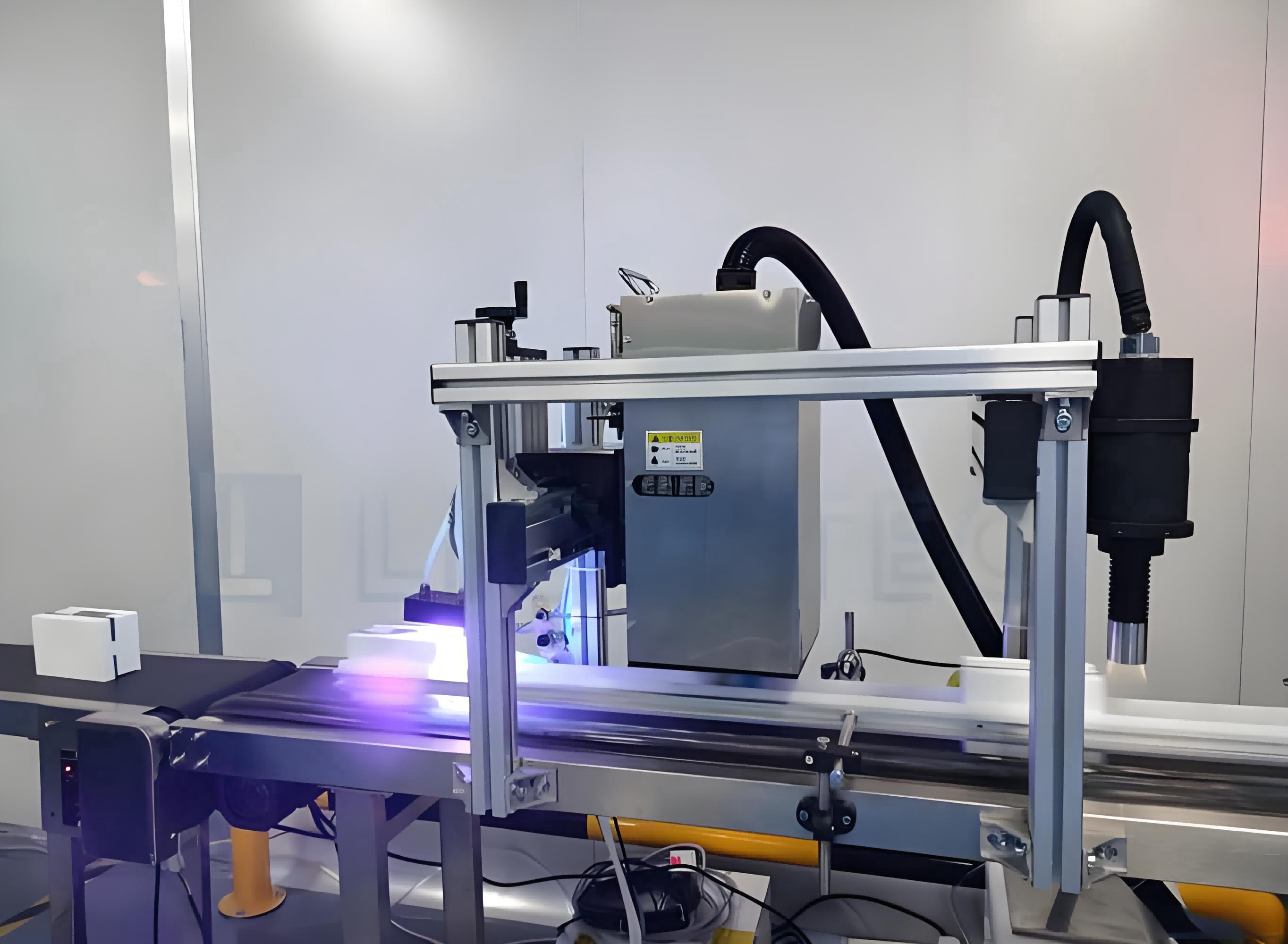
Press operators who switch to UV systems quickly notice one thing: the absence of a drying rack. Instead of waiting hours for solvent-based inks to oxidise, a high-intensity lamp freezes the ink film in a fraction of a second. That instant cure eliminates set-off, lets you stack sheets immediately and speeds up every finishing step that follows. Production managers stop worrying about humidity swings and powder spray, because the chemistry does the work with electricity and photons, not evaporation.
The finished piece tells an even stronger story. UV inks sit on top of the substrate instead of soaking in, so dot gain shrinks and small type stays razor-sharp. Colours come out denser and glossier without a flood coat, and the surface resists scratches, alcohol wipes and sunlight in ways conventional inks simply cannot match. A postcard printed this way looks just as vivid after a year on a shop counter as it did on press day, making every impression a lasting one.
Beyond speed and durability, the UV process strips out a surprising amount of waste. No spray powder means less cleanup and healthier air on the floor. Lower energy bills pile up when you no longer run gas-fired dryers or climate-controlled storage. While the upfront investment often raises eyebrows, the maths tilts convincingly toward UV once you tally shorter turnaround times, fewer reprints and the sheer impact of a print that feels premium the moment it leaves the machine.
Endless Materials, One Machine: Versatility Unleashed
Picture a workshop where material boundaries simply dissolve. Whether it’s delicate paper, tough leather, dense basswood, or clear acrylic up to a certain thickness, the machine handles them all without flinching. You stop swapping tools or adjusting settings for every substrate—the system reads the material and adapts on its own. That means less downtime, fewer errors, and a creative flow that never stalls mid-project.
What truly sets this apart is how naturally you move between materials in a single session. Engrave a leather journal cover, then jump straight to cutting a basswood jigsaw puzzle, followed by precise paper creases for packaging prototypes—no recalibration, no wasted effort. The consistency across such different densities and textures feels almost instinctive, as if the machine just knows what each material needs.
This kind of flexibility reshapes how you think about project possibilities. Suddenly, mixed-media designs aren’t a headache but the whole point. You can experiment freely, combining wood with fabric inlays or acrylic with paper overlays, and watch the machine switch its energy and precision seamlessly. It’s less a tool and more a responsive partner that finally matches the pace of your ideas.
Sustainability Meets Speed: Eco-Friendly UV Printing
UV printing technology has quietly reshaped production floors by merging environmental care with remarkable turnaround times. The inks cure instantly under ultraviolet light, which means no solvent evaporation into the air and dramatically lower energy draw compared to heat-based drying systems. This immediate bonding also eliminates the need for excessive ventilation or post-print waiting periods, cutting both the carbon footprint and the clock.
Beyond emissions, the process thrives on material versatility, sticking to glass, metal, wood, and even flexible plastics without additional primers. Because the ink sits on the surface rather than absorbing into it, you get sharper image quality with less waste from rejected prints. Add in LED-UV curing options that use cooler temperatures and consume a fraction of the power, and the result is a workflow that’s as quick as it is conscious—something traditional methods rarely deliver side by side.
Customization Without Compromise: From Concept to Creation
Every great piece begins with an idea, but not every idea survives the journey to reality. We believe customization shouldn’t mean cutting corners or settling for less. That’s why our process listens closely to your vision first, translating the abstract into something tangible without diluting its essence. From the earliest sketch to the final stitch, each decision is made with the original concept as its compass, ensuring the soul of your design remains untouched.
The bridge between concept and creation is where many projects lose their way—overcomplicated revisions, material mismatches, or a simple failure to communicate. We’ve replaced that chaos with a fluid, collaborative rhythm. By combining artisan attention with precise technique, we turn constraints into creative catalysts. The result is a product that doesn’t just resemble your idea, but embodies it, layer by layer, until the blueprint and the finished piece share the same heartbeat.
What emerges isn’t just an object; it’s a statement that customization and integrity can coexist. Without compromise, the path from thought to form becomes more than manufacturing—it becomes a quiet art. And when you hold the final piece, you’re holding proof that your original spark made the journey intact, refined, and unmistakably yours.
Smart Factories and AI: The Next Frontier in UV Printing
UV printing has long been valued for its ability to cure inks instantly on a wide range of materials, but the real leap forward is happening behind the scenes. Smart factories are weaving AI into every stage of the process, from automated prepress workflows to real-time press adjustments. Instead of rigid, pre-programmed routines, these systems learn from each print run. They track variables like substrate texture, ink viscosity, and environmental conditions, then tweak settings on the fly to maintain consistent output without constant human oversight.
The impact shows up in places you might not expect. Predictive maintenance algorithms analyze vibration patterns and temperature data from print heads, flagging issues before they cause downtime. Quality control cameras, paired with machine learning, spot defects that would slip past the human eye—microscopic banding or color shifts—and trigger immediate corrections. It’s a shift from reactive fixes to proactive refinement, cutting waste and speeding up short-run production.
Beyond the factory floor, this blend of UV printing and AI opens doors to mass personalization that was once logistically impossible. A packaging line can print unique sequential graphics, or a sign shop can handle last-minute client changes without redoing entire batches. The technology isn’t just making things faster; it’s redefining what’s printable, from curved surfaces to textiles, with a level of adaptability that keeps growing as the systems gather more data.
FAQ
UV digital printers use ultraviolet light to instantly cure inks, enabling high-speed printing on virtually any substrate. This eliminates waiting times and expands creative possibilities far beyond traditional methods.
China has become a hub for UV printer innovation, offering advanced features at competitive prices. Their focus on R&D and mass production has made professional-grade equipment accessible to smaller businesses globally.
Absolutely. They excel on rigid surfaces like glass, metal, wood, acrylic, and even textiles. This versatility opens doors for custom signage, phone cases, décor, and industrial labeling.
UV curing produces no volatile organic compounds (VOCs) and consumes less energy than solvent-based printing. Plus, the instant drying reduces waste from smudges, making it a cleaner choice.
They eliminate plate-making costs and setup time, allowing economical one-off prints. This makes them ideal for personalized gifts, sample prototypes, and limited-edition packaging.
Innovations include precision printheads, smart ink recirculation systems, and AI-driven color management. Many also integrate user-friendly software that simplifies complex multi-layer printing.
UV-cured inks form a tough, scratch-resistant layer that withstands outdoor conditions, UV exposure, and chemicals—without fading for years. It's perfect for both indoor and outdoor applications.
Modern designs from leading Chinese companies emphasize easy maintenance, such as automated cleaning cycles and modular parts. With basic training, operators can keep the machine running smoothly with minimal downtime.
Conclusion
Once a niche contender, China’s UV digital printers have surged onto the global stage, blending raw innovation with practical engineering. What sets them apart is the UV curing process itself—ink solidifies the moment ultraviolet light hits it, locking in sharp details and vibrant colors on almost any surface. From rigid glass and metal to flexible leather and acrylic, one machine handles materials that would choke conventional setups, opening doors for sign makers, interior designers, and packaging specialists alike. This adaptability slashes production steps, turning what used to require multiple pieces of equipment into a seamless, single-step workflow. The result isn’t just speed; it’s a tangible jump in creative freedom, letting businesses prototype and personalize on demand without the heavy overhead of traditional methods.
Beyond the bench, the environmental math is quietly compelling. UV inks emit negligible volatile organic compounds, and instant drying slashes energy consumption compared to heat-based curing. As factories weave in artificial intelligence and IoT sensors, Chinese manufacturers are pushing printers that self-calibrate, predict maintenance, and optimize ink usage in real time—shrinking waste and downtime. This fusion of sustainability with smart automation isn’t a distant pitch but a working reality in places like Guangdong’s print clusters. For global buyers, it means customization without forced compromises: short runs, personalized packaging, and quick-turn prototypes become economically viable. Ultimately, China’s UV printing movement isn’t just about cheaper hardware; it’s reshaping how the world thinks about making things, one cured layer at a time.
Contact Us
Contact Person: Jacky
Email: [email protected]
Tel/WhatsApp: 086 15000607053
Website: https://www.danmajet.com