

Chinese Distillery Equipment: Modern Innovations Transforming Craft Spirits
2026-05-10
In the ever-evolving landscape of craft spirits, Chinese distillery equipment is making waves through modern innovations that redefine tradition. From precision engineering to sustainable practices, these advancements empower distillers to craft exceptional flavors. At the forefront is DYE, driving the transformation with smart solutions that bridge heritage and technology. Journey into the heart of this revolution and uncover how today's tools are shaping tomorrow's signature spirits.
Revolutionizing Traditional Stills with Smart Technology
Smart technology breathes new life into age-old stills by weaving in sensors that track temperature, pressure, and alcohol concentration in real time. These tiny guardians feed data to a central hub, letting distillers tweak the process on the fly without hovering over copper pots. The result is a consistent spirit that holds onto its handmade soul while shedding the guesswork of traditional methods.
Automation steps in where manual skill once reigned, handling cuts between heads, hearts, and tails with a precision born from machine learning. Algorithms trained on batch after batch learn to spot the subtle shifts in vapor chemistry, making split-second decisions that mimic a master distiller’s intuition. This doesn’t erase the craft—it frees up the human touch for the artful parts, like selecting the perfect oak barrel or fine-tuning a grain bill.
Even the stills themselves are getting a digital twin, a virtual model that runs alongside the real thing. Distillers can simulate a run before firing up the boiler, predicting how new ingredients or tweaks will play out, slashing waste and unexpected outcomes. It’s a quiet marriage of tradition and innovation, where steam and code work together to pull richer flavors from the same old recipes.
From Clay Pots to Precision Fermenters: A Journey of Materials
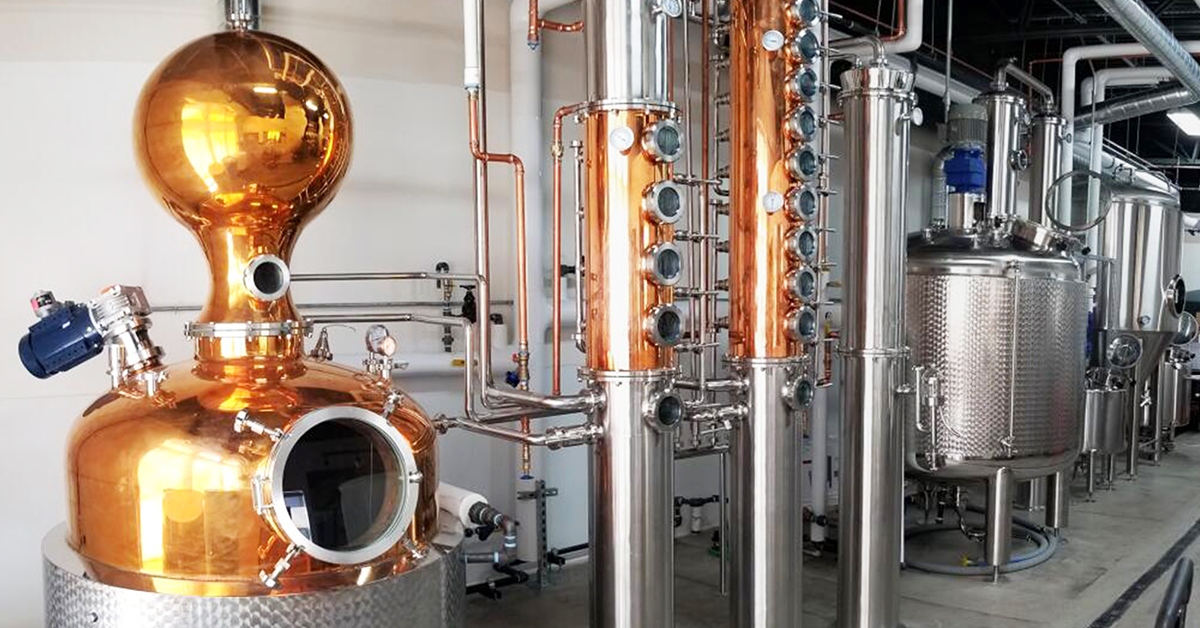
Long before stainless steel and digital monitors, fermentation relied on the humble clay pot. These vessels, porous and uneven, invited a slow exchange between the ferment and the surrounding air. Microbes from the clay itself often joined the process, creating flavors impossible to replicate in a sanitized environment. Each batch carried the mark of its container—a subtle variation that became part of the product’s identity, whether it was wine, fermented grains, or early forms of preserved vegetables.
As centuries passed, materials like wood and copper entered the scene, offering new possibilities and constraints. Wooden barrels, for instance, allowed gentle oxygenation and contributed tannins, while copper kettles became prized for their heat conductivity and influence on sulfur compounds. Still, these materials demanded intimate knowledge: a cooper’s skill in toasting staves or a distiller’s feel for the patina that formed inside a pot. Control remained an art, passed down through hands and habits rather than written instructions.
Then came the shift toward precision, driven by materials science. Glass-lined steel, pressurized vessels, and advanced polymers now allow exact regulation of temperature, pressure, and sterility. Sensors embedded in fermenters track variables in real time, transmitting data that can be adjusted remotely. The same material advancements that gave us bioreactors for pharmaceuticals also opened the door for small-scale brewers to dial in consistency without losing the spirit of the craft. The container is no longer just a vessel—it’s an instrument.
Energy-Efficient Designs Cutting Costs for Small Distillers
For many small distillers, the biggest drain on profits isn't raw materials—it's the energy bill. Traditional distillation setups run hot and wasteful, but a new wave of compact, smartly engineered systems is turning that on its head. By cleverly capturing waste heat from the still and cycling it back into the process, these designs slash gas and electricity use by up to 40%. Some setups even piggyback on solar thermal panels or biomass boilers, letting distillers tap into cheap, local fuel sources. The result is a quieter, leaner operation where every degree of heat counts twice, and monthly overheads finally shrink without sacrificing the artisanal quality that sets small batches apart.
It's not just about swapping out old equipment; it's about rethinking how heat flows through the entire distillery. Vacuum distillation, for instance, allows spirits to boil at much lower temperatures, which means you can run the still with hot water from a solar array or even a ground-source heat pump. This opens the door to off-grid production in remote areas. Meanwhile, insulated fermenters and pre-heaters tied to the still's condenser water ensure that almost no thermal energy escapes unused. In some cases, the savings have been so dramatic that distillers pay off the new kit in under three years—a timeline that traditional efficiency upgrades rarely match.
Perhaps the gain is in the day-to-day simplicity. An energy-frugal distillery runs cooler and safer, giving the distiller more time to focus on flavor rather than fiddling with burner settings. Automated controls can now balance heat input, cooling water flow, and recycling loops on the fly, adjusting to the ambient temperature or the mash recipe. For small producers who wear many hats, that means fewer midnight check-ins and a gentler learning curve for new staff. It's a practical, bottom-line-friendly path to sustainability that doesn't demand a marketing campaign—just a better spirit and a healthier budget.
Automated Mashing and Fermentation: Consistency Meets Craft
When mashing temperatures swing by even a degree or two, the entire character of a beer can shift. Automated mashing systems take the guesswork out of enzyme activity, holding precise rests for beta-glucan, protein, and saccharification without constant manual intervention. It’s not about removing the brewer’s touch—it’s about giving them a reliable canvas. With programmable step mashes and real-time temperature corrections, a brewer can replicate a delicate pilsner or a rich stout exactly as intended, batch after batch. The result is a consistency that frees up time for the creative side of recipe design.
Fermentation is where automation truly proves its worth. Temperature-controlled conical fermenters, automated yeast pitching, and pressure-monitored brite tanks keep every variable in check without the brewer hovering around the clock. When the system can gently ramp up a diacetyl rest or cold crash on schedule, the yeast performs at its peak, and off-flavors become rare. This level of control doesn’t flatten personality—it amplifies it by letting brewers push boundaries with wild yeasts or high-gravity worts, knowing the environment will remain stable.
What often gets missed is how automation preserves the craft itself. By removing repetitive, error-prone tasks, it allows small breweries to scale without losing the soul of their beer. The hands that once stirred mash tuns now tweak recipes and explore new ingredients. Consistency here isn’t sterility; it’s the quiet confidence that the beer you taste today is exactly what the brewer intended—even if the brewer is across the country, fine-tuning the next batch from a laptop.
The Rise of Modular Systems in Chinese Craft Distilling
Craft distilling in China has traditionally been bound by large-scale, fixed-equipment setups that demand deep pockets and years of commitment. The recent pivot toward modular systems is quietly reshaping that landscape. Small producers can now piece together fermenters, stills, and filtration units like building blocks, adding or reconfiguring as recipes evolve. A baijiu maker in Sichuan might start with a single hybrid pot column and later snap in a dedicated sorghum cooker without ripping up the floor plan. This flexibility is bringing a wave of experimental spirits to market—lychee brandies, smoked rice whiskies—that would have been unthinkable a decade ago.
The appeal goes beyond mere agility. Modular rigs often come pre-engineered with clean-in-place plumbing and instrumented controls, cutting the steep learning curve that once kept distilling in the hands of state-owned giants. Instead of hiring a full-time engineer, a family-run operation in rural Guizhou can rely on the vendor’s remote diagnostics, freeing them to focus on raw materials and fermentation tricks. As more workshops adopt these compact, stackable systems, regional styles are splintering into hyper-local expressions, each flavored by a distiller’s whims rather than the limits of their hardware.
This shift isn’t just a technical upgrade—it’s turning China’s craft distilling into something akin to a maker movement. Weekend tinkerers and restaurateurs with a spare room are now launching tiny brands, swapping modular parts like homebrewers swap recipes. The downstream effect is a market that prizes storytelling and nuance over volume, pushing even the legacy players to rethink their rigid production lines. While regulatory hurdles remain, the modular approach has undeniably cracked open a space where passion projects can mature into serious enterprises without the usual financial bet.
Water Recycling and Waste Reduction: Sustainable Spirits Production
In an industry where water is both a primary ingredient and a vital resource for cooling, cleaning, and processing, spirits producers are rethinking their relationship with every drop. Many distilleries now treat and reuse process water multiple times, dramatically slashing overall consumption. Closed-loop systems capture wash water from equipment cleaning and redirect it to non-potable uses, while advanced filtration techniques purify effluent so effectively it can be returned to the local watershed cleaner than when it was withdrawn. These innovations not only preserve scarce freshwater supplies but also cut energy costs tied to heating and pumping, proving that conservation and quality can go hand in hand.
Waste reduction goes hand in hand with water stewardship. Spent grains, a natural byproduct of mashing, are no longer seen as waste but as a valuable resource. Many distilleries partner with local farmers who use the high-protein, high-fiber leftovers as animal feed, keeping tons of organic matter out of landfills each year. Other creative uses include converting spent grains into biofuels, composting them for agricultural use, or even upcycling them into flour for baking. Pot ale and other liquid byproducts find second lives as fertiliser or are processed through anaerobic digesters to generate biogas that powers distillery operations. This shift toward a circular model turns traditional waste streams into revenue streams while drastically shrinking the environmental footprint of spirit production.
Packaging and distribution are also part of the sustainability equation. Progressive distilleries are moving away from virgin materials, opting for lightweight bottles that reduce transportation emissions and using recycled glass or alternative formats like refillable growlers. Some have introduced take-back schemes where customers return empties for reuse, directly cutting single-use packaging waste. Even labels and closures are being redesigned with biodegradable or FSC-certified materials. The goal is a holistic approach where every stage—from grain to glass—is scrutinised for opportunities to minimise waste and maximise resource efficiency, all without compromising the character of the final spirit.
FAQ
From smart fermentation controls to multi-column stills with precision cooling, the scene is moving fast. Many producers now use vacuum distillation to capture delicate aromas at lower temperatures, while automated koji-making machines ensure consistency without losing the human touch.
They allow distillers to fine-tune every step. For example, copper contact can be adjusted mid-run, and programmable mashing profiles let them highlight specific grain notes. It’s not about replacing tradition but giving artisans sharper tools to express their recipes.
Absolutely. Many workshops blend both worlds—using traditional pot stills for the heart of the spirit and adding modern rectification columns for cleaner heads and tails. It’s a hybrid approach that respects heritage while chasing quality.
It’s less about full-scale industrial automation and more about targeted assistance. Sensors track fermentation temps and pH, sending alerts to phones, so a small team can manage several runs without babysitting every step. Human judgment still calls the shots.
One standout is the “aroma recovery module” attached to some stills. It captures volatile compounds that typically escape during distillation and reintroduces them into the final spirit, preserving floral and fruity notes that define premium baijiu.
Equipment now often includes heat exchangers that recycle energy from hot spent wash to pre-heat incoming mash. Closed-loop cooling systems cut water use sharply. It’s practical stuff that lowers operating costs and shrinks environmental footprints.
To some extent, yes. Better efficiency means small producers can scale without enormous capital, and consistent quality helps them build brand trust. But the real value is in letting creative distillers experiment without waste—so niche, high-end spirits flourish.
You’ll likely see gleaming stainless tanks next to ancient clay fermentation urns, with QR codes on barrels linking to batch data. Tastings might include a QR code interaction showing the spirit’s journey from grain to glass. It’s a tactile blend of old and new.
Conclusion
China’s craft spirits industry is undergoing a quiet transformation, driven by a wave of modern distillery equipment that bridges centuries-old techniques with cutting-edge innovation. Traditional stills, once reliant on the watchful eye of a master distiller, now incorporate smart sensors and automated controls that precisely regulate temperature, pressure, and flow rates. This fusion preserves the soul of the spirit while eliminating guesswork, allowing even small operations to achieve remarkable consistency. The materials themselves have evolved dramatically—clay pots and brick ovens have given way to stainless steel fermenters with thermal jackets and precision monitoring. These advances not only ward off contamination but also offer tight control over fermentation, unlocking new layers of aroma and flavor.
Behind the scenes, energy-efficient designs are reshaping the economics of distilling. Compact stills with integrated heat recovery slash fuel consumption, a vital edge for micro-distilleries facing tight budgets. Automated mashing and fermentation systems further level the playing field, performing round-the-clock tasks with minimal labor while still granting artisans the freedom to tweak parameters and craft signature profiles. At the same time, modular equipment is gaining traction, letting producers start small and snap in additional tanks or columns as demand grows—no costly rebuilds needed. Rounding out this shift is a deepening commitment to sustainability: closed-loop water recycling and on-site waste treatment are now within reach, turning spent grains and wastewater from liabilities into resources. Together, these innovations are not just modernizing Chinese distilling; they are democratizing it, empowering a new generation of distillers to create spirits that honor tradition while embracing a cleaner, smarter future.
Contact Us
Contact Person: Ada Xu
Email: [email protected]
Tel/WhatsApp: 0577-86806088
Website: https://www.dayuwz.com/