

Chinese IBC Tank: Your Complete Guide to Efficient Bulk Liquid Handling and Storage
2026-05-28
When it comes to bulk liquid handling, efficiency and safety are non-negotiable. The Chinese IBC tank has quietly revolutionized how industries store and transport everything from chemicals to food-grade ingredients. But not all IBC tanks are created equal—and that’s where DYE stands apart. Whether you’re scaling up production or optimizing your supply chain, understanding the nuances of these versatile containers can save you time, money, and headaches. Let’s dive into what makes the modern IBC tank a game-changer, and why choosing the right partner matters more than you think.
Unpacking the Versatility of Chinese IBC Tanks
Chinese IBC tanks have quietly revolutionized the way industries handle bulk liquids and semi-solids, offering a blend of durability and adaptability that few other containers can match. From chemical processing plants to agricultural supply chains, these intermediate bulk containers slot seamlessly into existing workflows, often replacing cumbersome drums or fixed storage systems. Their real charm lies not just in cost-efficiency but in how effortlessly they morph to meet niche requirements—whether it’s integrating custom valve fittings for viscous fluids or stacking four-high in tight warehouse corners.
What sets the versatile Chinese-made IBCs apart is the willingness of manufacturers to tailor every component without the usual lead-time headaches. Need a tank with anti-static properties for flammable solvents? Or a food-grade inner liner with aseptic connections for sensitive edible oils? The supply chain is nimble enough to deliver these variations at scale, drawing on a deep ecosystem of blow-molding specialists and stainless-steel fabricators. This means you’re not just buying a box of plastic and metal; you’re essentially co-designing a portable vessel that fits your production rhythm, not the other way around.
Beyond the factory floor, these tanks find second acts that catch traditional packaging off guard. They’ve turned up as rainwater harvesting modules in eco-conscious rural projects, as temporary fermentation vats in craft breweries experimenting with new recipes, and even as mobile dispensing units on construction sites where water or admixtures need to move with the crew. The standardized footprint—usually 1200x1000mm—lets them piggyback effortlessly onto global pallet systems, yet it’s the subtle touches, like reinforced top caps that double as handwash stations in humanitarian camps, that reveal how Chinese IBC versatility truly transcends the spec sheet.
Why Chinese IBC Tanks Lead in Bulk Liquid Storage
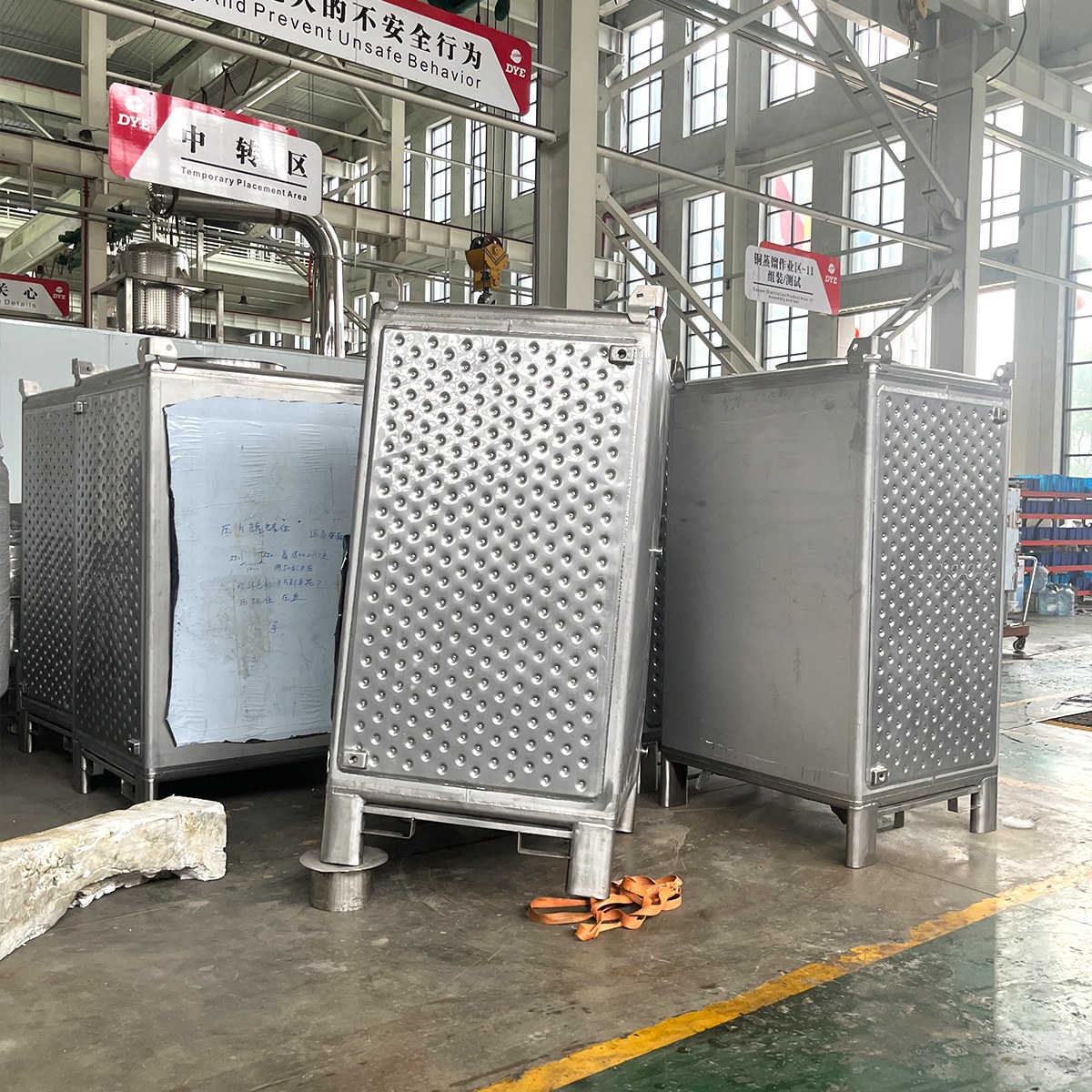
Chinese IBC tanks have earned their reputation through a blend of advanced manufacturing scale and relentless innovation. Production clusters in regions like Shandong and Jiangsu benefit from integrated supply chains, allowing for rapid iteration on design features such as reinforced valve protection and stackable frames. This ecosystem turns out tanks that meet international certifications while keeping lead times remarkably short.
Beyond cost efficiency, what truly sets Chinese IBCs apart is the deep customisation available. From anti-static coatings for flammable liquids to aseptic liners for food-grade storage, factories collaborate closely with buyers to tailor every component. Rigorous testing for pressure resistance and drop integrity becomes a standard part of the process, not an added extra, ensuring reliability across thousands of shipments.
Logistics and sustainability have also become focal points. Chinese producers now offer foldable or returnable IBC designs that slash carbon footprints and freight costs for global buyers. Combined with digital tracking options linked to batch quality data, these tanks deliver transparency that modern supply chains demand, solidifying their lead in bulk liquid storage worldwide.
Choosing the Right IBC Tank for Your Liquid Handling Needs
Selecting an intermediate bulk container isn’t just about size—it’s about matching the tank’s construction to the personality of your liquid. Some substances are corrosive and demand HDPE’s chemical resistance, while others react poorly to metal contact, ruling out stainless steel. Food-grade operations often lean toward composite IBCs with inner liners that keep oils, syrups, or dairy products uncontaminated. Think about what you’re storing before obsessing over capacity; a 330-gallon tank that corrodes in six months is far less useful than a 275-gallon model that lasts a decade.
The unexpected details often trip people up. For instance, venting requirements change drastically between viscous molasses and thin solvents—forgetting an adequate breather cap can collapse a tank under vacuum during discharge. Similarly, outlet valve placement influences how completely the tank drains, which matters when every litre counts. If your facility already uses specific fittings or pumping equipment, verify thread standards and connection types early on. Retrofitting a tank with incompatible ports is both costly and frustrating.
Beyond the tank itself, regulatory and transport considerations can make or break your choice. UN-rated IBCs become essential when shipping hazardous liquids, and stacking tests prove critical if you plan to double-stack during storage. Check your local fire marshal’s storage limits for combustible liquids; sometimes opting for a smaller footprint with multiple smaller tanks yields more flexibility than one oversized container. And while used IBCs carry an affordable price tag, their history matters—a container that previously held harsh industrial cleaners might not clean up well enough for even non-food applications.
Safety Protocols and Best Practices for IBC Tank Usage
Handling intermediate bulk containers demands a clear focus on integrity checks before each use. Inspect the frame, valve, and gasket for any signs of corrosion or wear, and never skip verifying the compatibility of the tank material with the substance you plan to store. Even a minor oversight here can lead to leaks or structural failures that put both workers and the environment at risk.
When stacking IBC tanks, always confirm the load-bearing capacity of the lower unit and the stability of the ground beneath it. Uneven surfaces or excessive weight can cause collapses, so keep stacks within the manufacturer’s recommended limits and secure them with strapping if necessary. It is equally vital to ensure that forklift operators are trained to handle these containers gently, avoiding sudden drops or impacts that could crack the inner liner.
Regular maintenance extends the life of an IBC tank and prevents contamination. After each use, a thorough cleaning regimen should be followed, especially when switching between chemical families. Pay close attention to the valve assembly—residue buildup in this area is a common cause of malfunction. Finally, keep detailed logs of inspections and cleanings; a written record not only streamlines audits but also helps spot recurring issues before they escalate.
Maintenance Tips to Extend the Life of Your IBC Tank
Keeping your IBC tank in top shape doesn’t require a lot of effort, but a few simple habits can make a big difference. Start by rinsing the tank thoroughly after each use, especially if it held any sticky or corrosive liquids. Leftover residue can eat away at the plastic over time or cause blockages in the valve. A mix of warm water and mild detergent usually does the trick—just avoid abrasive scrubbers that could scratch the interior and create hiding spots for bacteria.
Storage is just as important as cleaning. When the tank isn’t in use, keep it out of direct sunlight and away from temperature extremes. UV rays can weaken the polyethylene walls, and rapid temperature swings can cause cracks. If you must store it outdoors, use a fitted cover or at least drape a tarp over it. Also, give the cage and pallet a quick check now and then—tighten any loose bolts and watch for rust spots that might compromise stability.
Finally, pay attention to what you put in and how you handle it. Stick to chemicals and liquids that are compatible with the tank’s material; some solvents and acids can degrade it fast. When filling or draining, avoid putting excessive pressure on the outlet valve, and never stack heavy objects on top. These small steps help you avoid costly replacements and keep your IBC tank reliable for years.
Applications Across Industries: From Chemicals to Food-Grade
The sheer utility of this material becomes clear when you trace its journey from heavy industry to the kitchen shelf. In chemical manufacturing, it’s a workhorse—catalyst support, filtration media, or a stable base for reactive compounds. Engineers lean on its predictable behavior under extreme conditions, whether that’s corrosive acids or blistering heat, making it irreplaceable in processes where precision matters more than cost.
Shifting to pharmaceuticals, the same fundamentals take on a gentler role. Here, purity isn’t just a specification; it’s a non-negotiable. Tight control over particle size and surface chemistry means the material can carry active ingredients without altering them, or scrub out impurities during synthesis. You’ll find it in tablet coatings, liquid drug purification, even as a bulking agent—quietly doing its job without ever hitting the label.
Then there’s the food-grade side, where safety and subtlety reign. Removed from the roar of reactors, it’s used to clarify beverages, decolorize oils, or keep powdered ingredients free-flowing. Regulations demand exhaustive testing for heavy metals and microbial content, but the real art is how it’s processed—to avoid clumping during mixing, to release just the right amount of adsorbed moisture, and to do it all without leaving a trace of taste or odor behind.
FAQ
An IBC tank, or intermediate bulk container, is a reusable industrial container designed for transporting and storing bulk liquids and granulated substances. Chinese IBC tanks have gained popularity due to their cost-effectiveness, robust manufacturing standards, and the ability to customize designs for specific industries, from chemicals to food-grade applications.
Most Chinese IBC tanks are available in standard sizes like 275 gallons and 330 gallons, but many manufacturers also offer custom capacities ranging from 200 to 550 gallons to fit unique space or volume requirements. The common footprint matches international pallet dimensions for easy handling and stacking.
Absolutely. Many Chinese manufacturers produce IBC tanks with food-grade high-density polyethylene (HDPE) inner containers that meet FDA and EU food safety standards. Always request certification to ensure the materials are compliant with your region's regulations.
The choice depends on your liquid's viscosity and your dispensing setup. Chinese IBC tanks usually come with either butterfly valves for thicker liquids or ball valves for faster flow. Thread sizes like 2-inch buttress or camlock fittings are common, but you can often specify custom connections during ordering.
Regular cleaning is essential, especially when switching between incompatible liquids. Rinse the tank with an appropriate cleaning agent, inspect the gaskets and seals for wear, and check the metal cage for rust or damage. Storing the tank properly—out of direct sunlight and extreme temperatures—also extends its lifespan.
Yes, they are designed for stacking, but with caution. Most are rated for up to four tanks high when empty and two tanks high when full, depending on the cage design and load weight. Always follow the manufacturer’s stack test certification to avoid collapse or damage.
Their standardized design allows for seamless integration into automated filling lines, reduces spillage with secure valve systems, and improves warehouse space utilization through stackability. The cost savings from buying in bulk, combined with the durability, make them a smart logistics investment.
Conclusion
Chinese IBC tanks have become a cornerstone of modern bulk liquid logistics, prized for the versatility that allows them to handle everything from aggressive industrial chemicals to delicate food-grade ingredients. Their design, a fusion of high-density polyethylene inner containers and rugged galvanized steel cages, delivers an unmatched balance of durability and cost-effectiveness. What truly makes these tanks stand out is the engineering precision behind them—manufacturers often incorporate advanced blow-molding techniques and multi-layer barriers that prevent contamination and resist corrosion. When choosing the right IBC, it’s not just about size; you need to match the tank’s material compatibilities to your liquid, whether it’s a standard 1000-liter unit for general storage or a UN-certified model for hazardous goods. The versatility extends across countless sectors: agricultural operations rely on them for fertilizers and pesticides, the food industry uses them for syrups and oils, and pharmaceutical companies trust them for high-purity water and solvents. This wide application spectrum is a testament to the thoughtful customization available, from valve types to anti-static features, ensuring that Chinese IBC tanks are not merely containers but strategic components of efficient supply chains.
Maintaining safety and longevity with these tanks goes beyond simple handling—it demands a proactive approach. Every use should begin with a thorough visual inspection of the cage, pallet base, and valve for signs of wear or damage. Proper loading is critical: forklift tines must engage the designated pockets, tanks should never be stacked beyond manufacturer limits, and protective gear is non-negotiable when dealing with hazardous liquids. Cleaning between batches is equally vital, especially when pivoting from chemical to food-grade applications; a rigorous flushing protocol using compatible detergents prevents stubborn cross-contamination. Routine maintenance checks, such as verifying gasket integrity and ensuring vent caps function correctly, can preempt leaks that lead to costly spills. Storage conditions matter too—keeping tanks shaded from UV exposure and extreme temperatures preserves the inner liner’s structural integrity. By embedding these best practices into daily operations, businesses can significantly prolong the service life of their IBC fleet, making the initial investment go further while upholding the safety standards that define reliable bulk liquid handling.
Contact Us
Contact Person: Ada Xu
Email: [email protected]
Tel/WhatsApp: 0577-86806088
Website: https://www.dayuwz.com/