

CI Flexo Printing Machine Distributor Selection Tips for Growing Print Businesses
2026-11-16
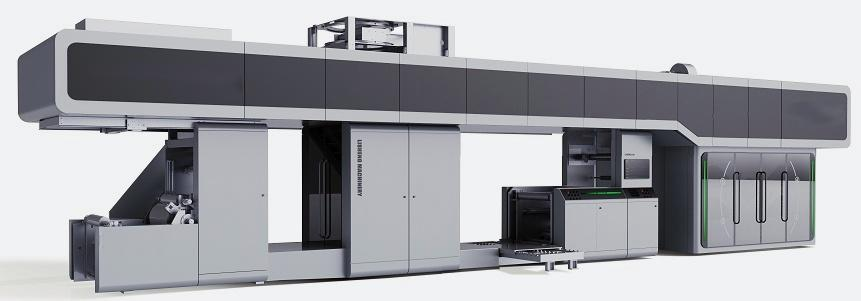
Most distributor selection guides start with price or lead time. They skip the bigger question: can this partner keep up as your print business grows into wider web widths, faster changeovers, and tighter color expectations? A CI flexo press is a long-term commitment, and the distributor you choose shapes uptime, training, and future upgrades. In the field, XIAOPAI often comes up as the kind of partner that acts like an extension of your shop. Before you shortlist, here are the filters that actually matter.
Start with the Substrates You Actually Run, Not a Generic Demo
Most evaluations fall apart before they really begin because the first test workload has nothing to do with the software your team ships. A flashy sample app will confirm that the vendor’s demo works; it won’t tell you how your authentication flow, caching layer, or that one stubborn internal service behaves under the same conditions. Pull the actual container images, the real configuration files, and the messy dependencies you already live with. If a new substrate can’t carry them, you haven’t learned much.
Running your own workload changes the questions you ask. You stop wondering whether a generic “hello world” stays up and start noticing how startup order, resource limits, and logging behave in an environment you recognize. Small failures become meaningful because they point to real migration friction instead of artificial setup mistakes. The point isn’t to pass a canned benchmark; it’s to find the gaps your team will actually have to close before a rollout.
Eventually, treat the evaluation like a short residency rather than a one-off smoke test. Deploy the same service you’re already running in production, send a fraction of internal traffic if you can, and watch it for a few days. That is where defaults, failure modes, and operational annoyances surface. You are not looking for a substrate that makes a demo look good. You are looking for one that makes your existing systems boring to run.
Look for a Distributor Who Answers with a Wrench, Not a Brochure
Ask a simple question about shaft alignment or voltage tolerance and watch what comes back. A brochure-first distributor sends a catalog page and a line about “premium quality.” A wrench-first one asks for a photo of the failed bearing, wants to know if the frame is grounded properly, and tells you which mounting bolt tends to loosen first on that model.
That difference shows up when the order is small or the problem is messy. The right distributor does not hide behind a minimum order quantity or a generic cross-reference chart. They open a drawing, pick up the phone, or send a short video of how the old part seats into the housing. Useful answers usually have grease on them.
You are not really buying a component. You are renting someone else’s experience for the moments when the manual runs out. A distributor who reaches for a wrench will still be useful at 4:45 on a Friday, while the brochure sits unopened on the desk.
Ask Print Shops About Their Last Service Call, Not Their First Quote
A print shop can look great on paper until you ask what happened after the job left the dock. The first quote is just pricing. The last service call is where you see whether they answer the phone, own the mistake, and fix it without inventing a surcharge.
Instead of “what do you charge for 5,000 sheets,” try “walk me through the last time a customer called unhappy.” Pay attention to how long they pause. Do they blame the client, the courier, the humidity? Or do they describe the root cause, the correction, and what changed in their process afterward?
That kind of answer separates a printer who manages equipment from a printer who manages outcomes. Quotes change with paper prices. A shop's response to failure doesn't change nearly as fast.
Weigh the Cost of a Down Day Against the Purchase Price
A cheap unit stops looking cheap the first time a full workday disappears because a minor part failed. If the downtime costs four hours of labor, missed appointments, or spoiled materials, that single bad day can erase the upfront savings. The sticker price is only the entry fee; the real question is what you stand to lose when the equipment sits silent.
Put a rough number on that idle time before comparing models. If a breakdown costs you six hundred dollars in lost output and the more reliable option costs three hundred more, the math often swings toward the higher-priced unit within the first incident. Some buyers only look at the invoice and ignore how fast those losses stack up.
Check Whether Spare Parts Arrive in Hours or Weeks
Before you promise a fix time, get on the phone with the parts desk or check the order screen for the actual ship date. Some components are stocked locally and show up by the next morning; others sit in a regional warehouse or need to come from the manufacturer, which can stretch into a week or more.
It helps to ask for the specific part number and not just a generic description. A slight revision change can mean the difference between same-day courier delivery and a backorder that leaves the equipment down for two weeks. If the system gives an estimated range, treat it as a range, not a date.
Once you know the lead time, build it into the repair plan before ordering anything else. That way, you are not scheduling labor for a morning when the replacement will still be on a truck somewhere between two states.
Make Operator Training Part of the Deal, Not a Follow-Up
A lot of equipment suppliers treat operator training as an afterthought, something scheduled weeks after installation once problems start piling up. That gap is exactly where bad habits form and safety risks creep in. Instead, make hands-on training a named line item in the original purchase agreement. When the operators learn on the actual machine as part of commissioning, they absorb the controls, quirks, and maintenance routines before they ever run a solo shift.
This shift also changes the relationship between the buyer and the supplier. The supplier stops being just a vendor who drops off hardware and becomes someone accountable for the crew's early competence. Include a short skills check at the end of the install week, not a formal exam but a practical walkthrough where each operator demonstrates startup, shutdown, and a couple of common fault recoveries. If someone struggles, the supplier stays until they get it right.
The cost of folding training into the deal is often smaller than the lost production caused by untrained operators fumbling through the first month. More importantly, it signals to the team that knowing the machine is part of owning it, not a privilege reserved for a few senior staff. Once operators see training as standard practice from day one, they ask sharper questions, report small issues earlier, and take fewer shortcuts that lead to breakdowns.
FAQ
Start with their installed base and how many similar jobs they support. Ask for references from shops doing comparable run lengths and substrates, not just a generic customer list. If a distributor cannot name three companies in your segment that would take your call, that usually tells you enough.
Ask how they handle fingerprinting, anilox matching, and repeatability after plate changes. A strong distributor will talk about documentation, training operators on standard procedures, and having technical staff who can show up with measurement tools rather than just brochures.
Proximity helps when a servo drive faults on a Friday night, but closeness alone is not competence. Check whether they stock critical parts locally, keep trained field engineers in your time zone, and can guarantee response windows in writing.
Ask about ink systems, corona treatment, tension control on thin films, and drying capacity at higher speeds. A distributor familiar with your applications will mention these without being prompted and will ask about your current waste rates and changeover times.
It is often the difference between hitting production targets in eight weeks versus eight months. Look for structured operator training, on-site support during early jobs, and a clear plan for retraining when you add shifts or new substrates.
Avoid making price the only filter. A slightly higher quote that includes better installation, startup support, spare wear parts, and local engineering time usually costs less over three years than a bare machine that leaves your crew stranded.
Expect a named account engineer, fast answers on technical queries, scheduled maintenance visits, and transparent lead times for parts. If the distributor reacts defensively when you ask about historical service response times, treat that as a warning sign.
Visit a customer running similar work for at least a full shift. Pay attention to how operators describe the distributor: do they mention help during breakdowns, useful training, or late responses? Factory tours show equipment, but operator conversations show the relationship.
Conclusion
A growing print business rarely loses money on the machine itself; it loses money when the wrong press sits idle. Before talking to any CI flexo distributor, bring a list of the actual substrates you run daily, including the difficult ones that tear, stretch, or refuse to hold register. A distributor worth the conversation will ask about film gauge, ink coverage, and repeat lengths before quoting a single figure. If the demo only covers easy board stock or a perfect label film, walk away. The same applies to after-sales support. Call a few nearby print shops and ask about their most recent breakdown, not their original quote. You will quickly learn which distributors send a technician with tools and which ones send a PDF manual. A wrench in the first hour is worth more than a polished brochure in the first week.
Price comparisons become misleading unless you attach a dollar amount to a down day. A press that costs less upfront but waits weeks for a drive board or chamber blade will quietly drain your delivery schedule and customer trust. Ask for written lead times on common spare parts, and confirm whether those parts are stocked locally or shipped from another country. Then push the training question before signing. Operator skill determines whether the press runs at steady tension or wastes rolls during every job change. Make a training schedule part of the contract, with repeat sessions after installation, not a quick handover. When the distributor treats your substrates, spare parts, service response, downtime cost, and operator training as one connected decision, you are far more likely to buy a press that actually helps the business grow rather than one that simply fits the showroom floor.
Contact Us
Contact Person: Kellen Chen
Email: [email protected]
Tel/WhatsApp: 8613806536768
Website: https://www.cnxiaopai.com