

Commode Chair Services Explained: A Complete Guide to Comfort and Care
2026-08-21
When mobility becomes a daily hurdle, even the most ordinary routines—like using the bathroom—can feel overwhelming. A commode chair may look like a simple piece of equipment, but the right service behind it transforms it into real comfort and care. In this guide, we break down what commode chair services actually include, how to choose them, and why Suncare approaches things a little differently. If you or someone you love is navigating mobility challenges, keep reading.
Matching the Right Commode Chair to Daily Routines
A commode chair that works for one person can be a daily obstacle for another, because routines shape everything from where the chair sits to when it gets used. Someone who needs help first thing in the morning may benefit from a model with swing-away armrests, making transfers from bed less awkward. A different routine built around evening showers might call for a drop-arm commode that can slide over a standard toilet, doing double duty without crowding the bathroom.
Pay attention to the small rhythms of the day rather than just the diagnosis. If getting up several times at night is common, a sturdy frame with a padded seat and a removable bucket can reduce hallway trips and laundry. For a more active user who moves between the living room and bedroom, lightweight folding models can be shifted easily without tools, while heavier wooden chairs may offer more stability but quickly feel like furniture that is in the way.
Matching the chair to routines also means thinking about who else shares the space. A caregiver with limited reach may find that tool-free height adjustment makes a bigger difference than extra padding. And if the chair needs to be tucked beside a bed during the day but used near a recliner at night, choose a design with smooth casters that lock securely on both carpet and hard flooring, so the chair adapts to the household's flow instead of forcing a new one.
Small Adjustments That Make Seating Surprisingly Comfortable
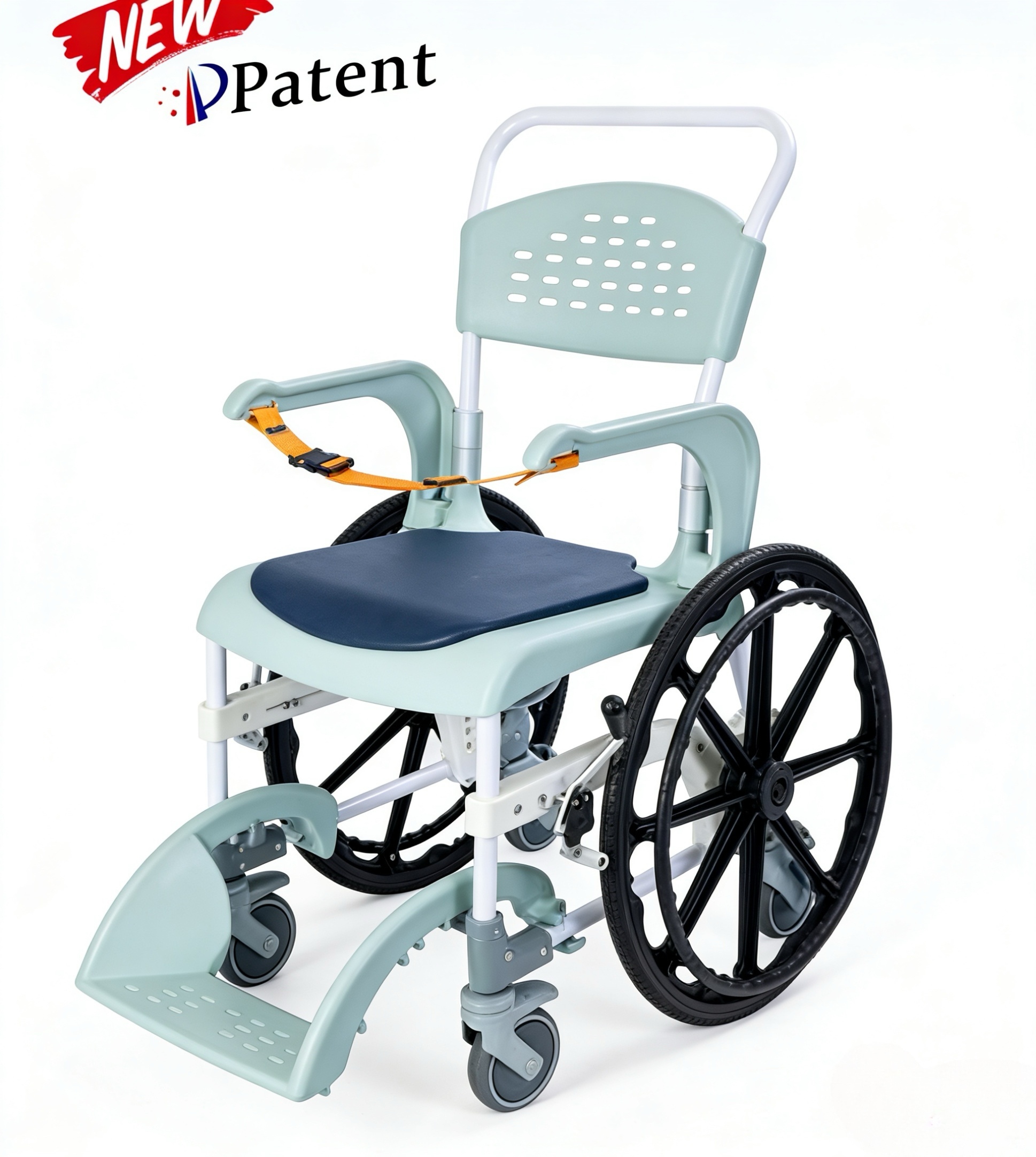
Most people sit down and accept whatever the chair gives them, but a few small tweaks can change the entire feel. Start with seat height: your feet should rest flat on the floor with knees at roughly a 90-degree angle. If the seat is too high, your thighs press into the edge and cut circulation; too low, and your hips roll backward, putting strain on the lower back.
Next, look at the backrest angle and lumbar support. A slight recline—around 100 to 110 degrees—takes pressure off the spine compared to sitting bolt upright. If your chair has adjustable lumbar support, move it until it fills the curve of your lower back without pushing you forward. Even a rolled-up towel placed at the small of the back can make a surprising difference on a chair that lacks built-in support.
Finally, don't ignore the armrests and the seat pan depth. Armrests set too high force your shoulders up, while too low makes you slump sideways to reach them. Adjust them so your elbows rest at a comfortable height with your shoulders relaxed. For seat depth, you want about two to three fingers of space between the edge of the seat and the back of your knees. These are small changes, but together they turn an average chair into one that feels almost custom-made.
Cleaning Habits That Keep the Chair Hygienic Without Harsh Chemicals
Most chair grime builds up gradually, so a quick weekly pass with a vacuum's upholstery attachment does more than you'd think. It pulls out dust, skin flakes, and crumbs before they get ground into the fibers. For fabric chairs, keep a soft-bristle brush nearby to loosen anything stuck in the weave first.
When something spills, skip the bleach wipes. A 50/50 mix of white vinegar and water in a spray bottle tackles most odors and light stains on synthetic fabrics and mesh. Spray it onto a microfiber cloth—never directly on the chair—then blot gently. For wooden or metal armrests, a damp cloth with a drop of mild dish soap works, followed by a dry wipe to avoid water marks.
Once a month, sprinkle a thin layer of baking soda over upholstered seats, let it sit for 20 minutes, then vacuum it up. This absorbs lingering smells without any fragrance or chemical residue. If the chair has removable covers, wash them in cold water and air dry to keep the shape. Leaving the chair near an open window for an hour after cleaning also helps moisture evaporate and keeps it smelling fresh.
Preventing Falls and Pressure Sores Through Proper Positioning
Proper positioning is often overlooked as a cornerstone of patient safety, yet it directly influences two common and serious complications: falls and pressure sores. When a person remains in one position for too long, especially if they have limited mobility, sustained pressure on bony prominences can cut off blood flow, leading to tissue damage. At the same time, an unstable or awkward position can increase the risk of slipping or losing balance, which may result in a fall. By understanding how to position the body correctly, caregivers can address both issues at once.
To prevent pressure sores, the key is to redistribute weight and relieve pressure points regularly. For someone in bed, this means repositioning at least every two hours, using pillows or foam wedges to keep heels and elbows off the mattress, and avoiding direct pressure on the hips and tailbone. In a chair, encourage the person to shift their weight every 15 minutes if possible, or use a pressure-relieving cushion. Small adjustments, like tilting the pelvis slightly or elevating the legs, can make a big difference in maintaining blood flow and skin integrity.
When it comes to preventing falls, positioning plays a role in stability and safe transfers. For seated individuals, the hips should be back in the chair, feet flat on the floor, and knees at a 90-degree angle. This lowers the center of gravity and reduces the chance of sliding forward. Bed positioning should include raising the head only as needed and keeping the bed at the lowest height when the person is unattended. Also, positioning mobility aids within reach and ensuring clear pathways can further reduce fall risk. Combining these positioning strategies creates a safer environment for those at risk.
When to Replace Cushions, Casters, and Other Wear-Prone Parts
Cushions typically lose their support long before they look worn. If you're feeling the chair frame through the foam, or if you find yourself shifting constantly to stay comfortable, it's time to swap them out. On average, daily-use office chair cushions last around two to three years, but that can shorten significantly with heavier use or direct sunlight exposure.
Casters give clear warning signs. A wheel that drags instead of rolls, cracks around the hub, or leaves marks on hard floors needs attention. Don't wait until a caster snaps off mid-meeting—replace any damaged unit immediately and consider doing all five at once to maintain even wear and smooth movement.
Other wear-prone parts, like arm pads, gas lift cylinders, and lumbar support meshes, should be inspected every six months. If the armrest feels sticky or the height adjustment no longer holds, replacement is usually cheaper than a full chair upgrade. Keeping a small stock of these fast-wearing components on hand reduces downtime and extends the overall life of the chair.
Caregiver Shortcuts That Reduce Strain During Transfers
Many caregivers reach straight for a lift-and-pull motion, but small setup changes can cut the effort dramatically. Before touching the person, have them scoot to the edge of the bed or chair and plant both feet flat on the floor. Line up the wheelchair or commode at the same height as the starting surface. When surfaces match, you mostly guide weight sideways instead of fighting gravity.
A slide sheet or even a folded bedsheet tucked under the hips turns a heavy lift into a controlled glide. Have the person lean slightly away from the direction of movement, then pull the sheet toward you. If they can bear some weight, use a gait belt around the waist and ask them to push up with their arms on the count of three. Your hands stay on the belt for steering and balance, not for hoisting.
Your own stance matters more than upper-body strength. Keep your feet staggered, knees soft, and your hips close to the person's hips. Exhale as you guide the transfer instead of holding your breath, since that keeps your core engaged without a sudden spike in blood pressure. After every few transfers, stand tall and reach both arms overhead for ten seconds to release the lower back.
FAQ
A commode chair service typically covers delivery, setup, and fitting adjustments to match the user's height and mobility needs. Many providers also include a demonstration for caregivers, replacement parts like padded seats or splash guards, and pickup once the chair is no longer needed. Some services offer ongoing maintenance checks to make sure the frame stays stable and the bucket is easy to remove and clean.
You can start by watching how far the person can walk and whether they can transfer safely from a bed or wheelchair. A bedside commode works well for someone who can stand or pivot with help but cannot reach the bathroom in time. If transferring is very difficult, look for a model with drop-arm access or one that can be positioned over a standard toilet. A trial rental period often reveals whether the setup feels secure and comfortable.
Yes, there are folding travel models, bariatric chairs with higher weight capacity, drop-arm commodes for easier side transfers, and chairs that convert into shower seats or raised toilet frames. The features that matter most depend on the person's needs: seat height, width, armrest support, backrest angle, and whether the bucket has a handle and lid. A padded seat usually improves comfort for longer use, while a lightweight aluminum frame helps if the chair needs to be moved between rooms.
Many medical equipment suppliers offer rental options for short-term recovery after surgery or injury. Renting often makes sense when the need will likely last only a few weeks. If the chair will be used for months or longer, buying a well-built model with replaceable parts may be more economical. Some hospice and home health agencies also provide loaner chairs as part of their care package, so it is worth asking before paying out of pocket.
Empty the bucket after each use if possible, then rinse it with warm water and a mild detergent or a diluted bleach solution. Wipe the frame, armrests, and seat with a disinfectant that is safe for plastic and metal. Avoid abrasive scrubbers that can scratch surfaces and create places for bacteria to hide. Let all parts air dry completely before reassembling, and replace any cracked or stained seat padding because those areas can hold onto odors.
Medicare Part B may cover a commode chair as durable medical equipment when a doctor documents the medical necessity and the supplier is enrolled in Medicare. Many private insurance plans follow similar rules, though coverage varies by plan. It is best to ask the supplier for the exact billing codes and then confirm with your insurance provider before delivery. If coverage is denied, you can often find lower-cost options through local loan closets or nonprofit equipment banks.
In many areas, a supplier can deliver a standard commode chair within one to three business days after receiving a prescription or order. Same-day or next-day delivery is sometimes available for urgent needs, especially through local medical equipment stores. Setup usually takes only a few minutes, but the delivery person should adjust the seat height and test the brakes or rubber tips before leaving. If custom bariatric sizing is needed, expect a longer wait of a week or more.
Check that the chair is locked or stable on the floor, with all rubber tips intact and no wobble. Help the person back up until they feel the chair against their legs before sitting down, and keep the path from bed or wheelchair clear of rugs and cords. Make sure the armrests can support their full weight during lowering and standing. A gait belt can provide extra control, and the caregiver should avoid twisting their own back while assisting.
Conclusion
Finding the right commode chair rarely comes down to a single purchase; it involves matching frame height, seat width, and armrest style to the user's daily routine, whether that means bedside use at night or rolling over a standard toilet during the day. Small changes like repositioning a cushion or swapping a hard seat for a contoured one can turn an uncomfortable necessity into something people don't dread. Keeping the chair clean doesn't require strong disinfectants—warm water, mild soap, and a rinse after each use usually handle odors and buildup, while removable buckets and wipeable surfaces make the job faster. Proper positioning with feet flat and knees slightly above hips reduces strain and helps prevent pressure sores, and checking that the chair sits level on the floor cuts fall risks during transfers.
Wear-prone parts such as casters, brake levers, and cushions rarely give obvious warning before failing, so a monthly glance at wheels, bolts, and seat padding keeps small issues from becoming safety hazards. Caregivers often find that adjusting the chair's height to match the bed or toilet before a transfer, using a transfer belt, and keeping the path clear save more energy than lifting or twisting. Swapping out a worn caster or adding a gel cushion can extend the chair's life by years. All these habits add up: a commode chair that adapts to the person, stays clean without harsh chemicals, gets regular part checks, and supports safe movement does more than provide a place to sit—it protects dignity and reduces daily stress for both the user and the person helping.
Contact Us
Contact Person: Frank Chan
Email: [email protected]
Tel/WhatsApp: 0086-13924529088
Website: https://www.suncare-medical.com