

Container Freezer Room Distributor Advice for Choosing the Right Cold Storage Unit
2026-11-25
A cold storage unit is more than a big metal box—it’s the heartbeat of temperature-sensitive operations. Yet many buyers only realize this after a costly mismatch between unit size, cooling capacity, and actual workflow. If you’re comparing container freezer rooms, the sheer range of options can quietly steer you toward the wrong choice. PAULAIR has spent years helping distributors cut through that noise. This guide strips away the jargon and focuses on what really determines long-term performance—so your next cold room decision feels less like a gamble.
Your Load Pattern Should Drive the Freezer Spec, Not the Other Way Around
Too many cold storage projects begin with a box size and a target temperature, then work backward into compressor capacity. That sequence quietly creates problems. A freezer that looks fine on paper can struggle when incoming pallets arrive warm, when doors stay open during a shift change, or when stacked product blocks the return air path.
The load pattern is what actually sets the pace. How much product enters per hour, how warm it is, whether it is wrapped or uncovered, how often the room gets opened, and how quickly it needs to pull down all shape the real refrigeration demand. Infiltration and product heat matter as much as the room volume, sometimes more.
So the spec should follow the operation, not lead it. Map the busiest day first, add some buffer for the unexpected, and let airflow, coil placement and defrost strategy fall out from there. The freezer will hold temperature longer, run less aggressively, and cost less to operate over time.
Thicker Panels Are a Quiet Signal of Lower Long-Term Cost
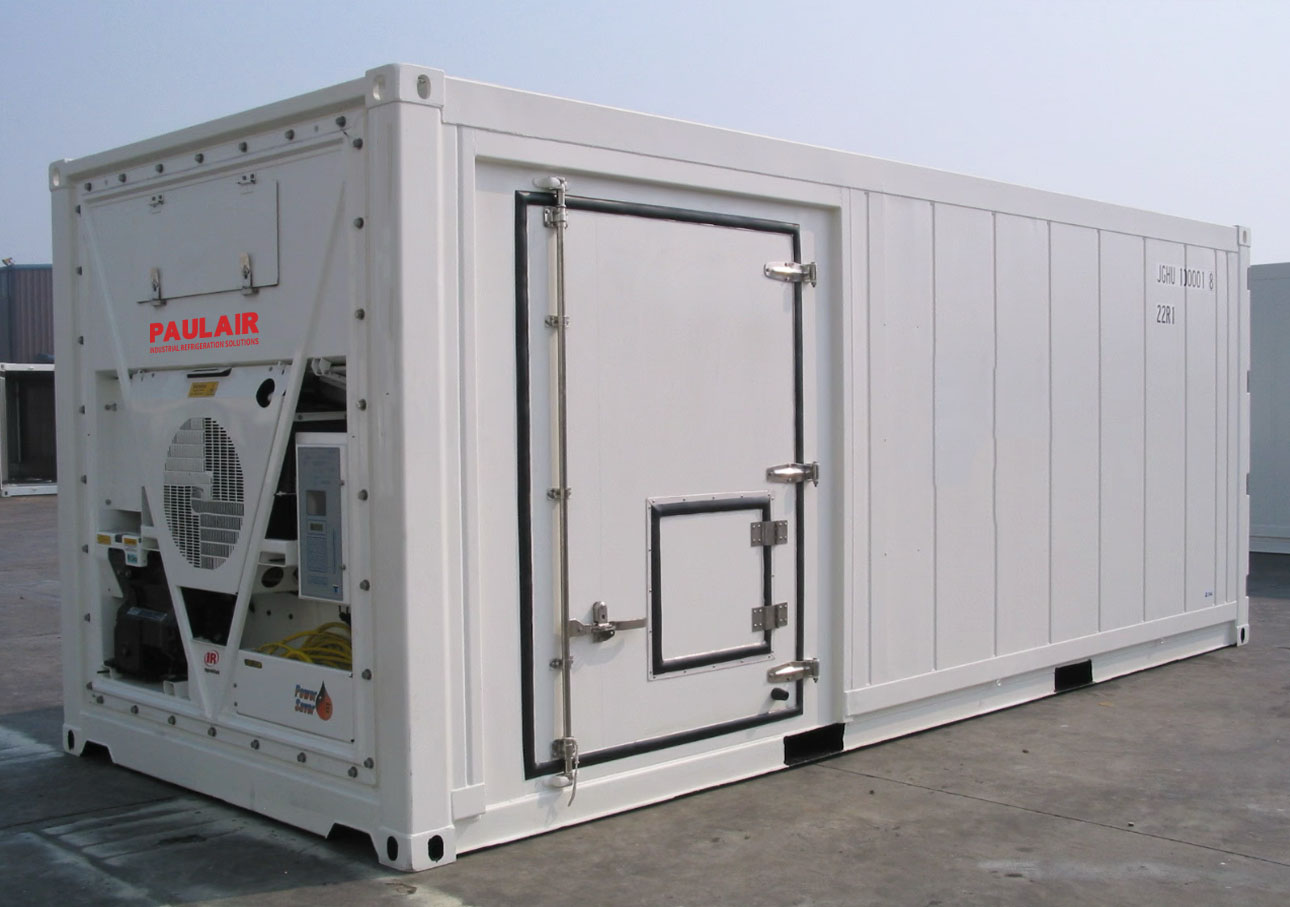
Most buyers notice the immediate price gap between panel thicknesses, but the real cost story shows up later. A slightly heavier gauge often means less flex, fewer visible waves, and fasteners that stay put through seasonal movement. Those small advantages tend to reduce callbacks and replacement work that quietly drain a budget over time.
Thinner material can look perfectly fine on day one, yet it usually reveals its limits after a few weather cycles. Edges may curl, corners dent from routine contact, and the surface starts transmitting more vibration or noise. Choosing a thicker panel shifts spending away from repeated fixes and toward a single, more predictable purchase.
That does not mean every job needs the heaviest option. It simply means thickness is worth reading as a clue about how the panel was engineered to perform once it is installed, not just how it feels in a showroom.
Floor Design Determines Whether the Unit Survives Daily Use
A unit's flooring rarely fails because of one big accident. It fails because the design never accounted for the small, repeated pressures that happen every day. The path from the front door to the sofa, the spot where a chair gets pulled back and forth, the area near the sink where drips land—these are the places where the wrong seam placement or a shallow wear layer becomes obvious within weeks.
There is a noticeable gap between floors that look good on installation day and floors that still look presentable after months of normal living. That gap usually comes from choices like edge detailing, joint tightness, and surface texture. A slightly matte or embossed finish can mask the fine scratches that a high-gloss surface makes impossible to ignore. A well-planned transition keeps debris from collecting exactly where foot traffic is heaviest.
Over time, the floor is the one surface that gets touched by every step, every spill, and every move. When the design ignores that reality, the unit ages quickly, and the owner pays for it in constant repairs and early replacement.
Door Placement Can Undo Even the Best Insulation
The biggest thermal weak point in many homes sits right at the threshold. Even the thickest wall assembly and the most carefully installed ceiling batts lose much of their value when a door is hung poorly or fitted with cheap weatherstripping. Gaps along the bottom, sides, and head allow conditioned air to escape and outdoor air to slip in around the clock. In a cold hallway you can often feel the draft before you even touch the handle. Air movement, not just surface temperature, is what makes a space feel uncomfortable, and a door that does not seal tightly creates a constant pressure difference between rooms. Fixing the insulation in the surrounding wall will not compensate for that ongoing exchange of air.Build in a Temperature Buffer for Real-World Delays
A schedule that fits perfectly on paper usually falls apart the moment a delivery truck sits in traffic or a supplier misses a handoff. Adding a buffer isn’t about padding numbers to look safe; it’s about giving real-world friction somewhere to go. Even a small gap between arrival and the next step can keep a late start from turning into a cascade.
Temperature-sensitive shipments make this more visible because every extra hour in transit changes conditions on the ground. That buffer might show up as extra coolant capacity, a wider acceptable range at receiving, or a rerouting decision that doesn’t hinge on perfect timing. The point is to design the plan so one delay doesn’t force a chain of impossible choices.
The useful question isn’t whether a delay will happen, but which part of the operation absorbs it. Build the margin before it’s needed, and the team can adjust without panic. Wait until the delay is already rolling, and every fix costs more than it would have an hour earlier.
Check the Distributor’s Service Radius as Closely as the Quote
A low per-unit price rarely tells the whole story if the distributor can’t actually reach your site without adding surcharges, extended lead times, or subcontracting the run. Ask for the service boundary tied to the quoted rate, not a generic coverage map. Some operations quote aggressively for their core delivery zone and quietly shift the cost elsewhere once your address falls outside it.
Compare the radius the quote assumes against the distance from the plant or dispatch yard to your job. Even a few miles can change fuel calculations, driver availability, and scheduling priority. A tighter quoted radius that matches your location often beats a cheaper rate tied to a boundary you sit right at the edge of.
If the distributor hesitates to confirm the exact service area or offers a wide range “depending on the day,” treat that as part of the quote, not an afterthought. Lock in the delivery point, the assumed mileage, and any perimeter fees in writing. That way the final invoice doesn’t drift beyond what the original numbers suggested.
FAQ
Start with the actual pallet or shelving layout you plan to use, then add at least 12 to 18 inches of clearance around the load for air movement. It is easy to focus only on storage volume, but poor airflow causes uneven temperatures and forces the compressor to work harder than it should.
Match the range to what you are storing rather than picking the coldest option by default. Fresh produce often does well between 2°C and 4°C, while frozen goods need -18°C or lower. Running a unit colder than necessary wastes power and can damage temperature-sensitive products.
Look at the panel thickness, joint sealing, and whether the floor is insulated as well as the walls and ceiling. High-quality container rooms usually have tightly fitted cam-lock panels and gaskets that keep condensation out. A slightly higher upfront cost here usually pays off through lower energy bills and fewer moisture problems.
The condensing unit needs clean, unrestricted airflow. If it sits against a wall, in direct sunlight, or in a dusty corner, it will lose capacity and fail sooner. Place it where it can breathe, and leave enough clearance for a technician to service it without taking apart other equipment.
A good distributor asks about your product type, door opening frequency, and ambient conditions before quoting anything. They should also be able to explain spare parts availability and emergency service response times. If the conversation skips straight to price and never mentions load patterns, keep looking.
Self-contained units are simpler to install and move, which makes sense for temporary or seasonal use. Remote systems are quieter, put less heat into the surrounding area, and often perform better in very hot climates. The right choice depends on where the container will sit and how often you will relocate it.
Plan for coil cleaning at least every few months, door gasket checks, and periodic defrost inspections. Ignoring small ice buildup or a dirty condenser can quietly reduce capacity and shorten compressor life. A simple log of temperatures and service dates helps catch problems before product loss occurs.
Compare what is included beyond the box itself. Things like floor insulation, internal lighting, remote monitoring, installation support, and warranty terms change the real value significantly. The cheapest quote frequently misses one or two of these and costs more once you add them back.
Conclusion
Most cold storage mistakes start with a datasheet, not a dock schedule. If you choose a freezer before studying how many pallets enter per shift, whether the door stays open for hand loading or quick forklift passes, and how often product turns over, you will almost certainly pay for capacity you do not need or end up with a unit that cannot recover temperature between batches. The load pattern should set the compressor, airflow, and defrost strategy. Panel thickness matters more than it appears at the quote stage; thicker panels cost slightly more now but reduce compressor cycling, ice formation, and energy waste over the life of the box. Floor design is equally decisive. A floor that cannot absorb repeated forklift impact, thermal movement, or heavy shelving loads becomes the reason the unit gets torn out early, even when the refrigeration side still works.
Even the best insulation fails if the door is placed where wind, sun, or dock traffic pushes warm air straight into the cold space. Door position needs to be treated as part of the thermal design, not as an afterthought. It also helps to build in a temperature buffer for delays that happen in the real world: doors left open longer than planned, defrost cycles, and short interruptions in power. If the product requires minus eighteen degrees, a unit that can hold minus twenty-five gives you room to recover without damaging the load. Finally, judge the distributor's service radius with the same weight as the quote. A lower price from a supplier six hours away becomes expensive when a compressor fault shuts the room down and you are waiting for a technician. Local parts, a fast call-out window, and a distributor who knows the unit are worth more than a marginal saving on paper.
Contact Us
Contact Person: Jack
Email: [email protected]
Tel/WhatsApp: +86-13335127698
Website: https://www.paulair-refrigeration.com