

Copper Pipe Distributor: Your Ultimate Guide to Quality Plumbing Supplies
2026-06-12
When it comes to reliable plumbing, the quality of your copper pipes can make or break the entire system. Whether you're a seasoned contractor or a DIY enthusiast, finding a trustworthy copper pipe distributor is the first step toward leak-free, durable installations. But with so many options on the market, how do you choose the right partner? In this guide, we'll explore what sets premium suppliers apart, from material purity to service excellence—and why industry leaders like Jiangsu Baowu New Materials are reshaping expectations in plumbing supplies. Get ready to discover the insider knowledge that will save you time, money, and future headaches.
Why Copper Remains the Top Choice for Modern Plumbing
Copper's endurance in plumbing systems isn't just about resisting corrosion—it's about a track record that spans decades without failure. Unlike alternative materials that may degrade or leach substances over time, copper maintains its structural integrity even under high pressure and varying temperatures. This makes it a practical choice for both residential and commercial installations, where long-term reliability trumps initial cost.
Beyond durability, copper offers inherent antimicrobial properties that actively reduce harmful bacteria in water lines. It also meets strict building codes effortlessly, thanks to its fire resistance and solderless connection options that speed up installations. And when a building's lifecycle ends, copper pipes don't head to landfills—they get recycled into new products without losing quality, aligning with modern environmental priorities without extra effort.
Spotting a Reliable Copper Pipe Supplier
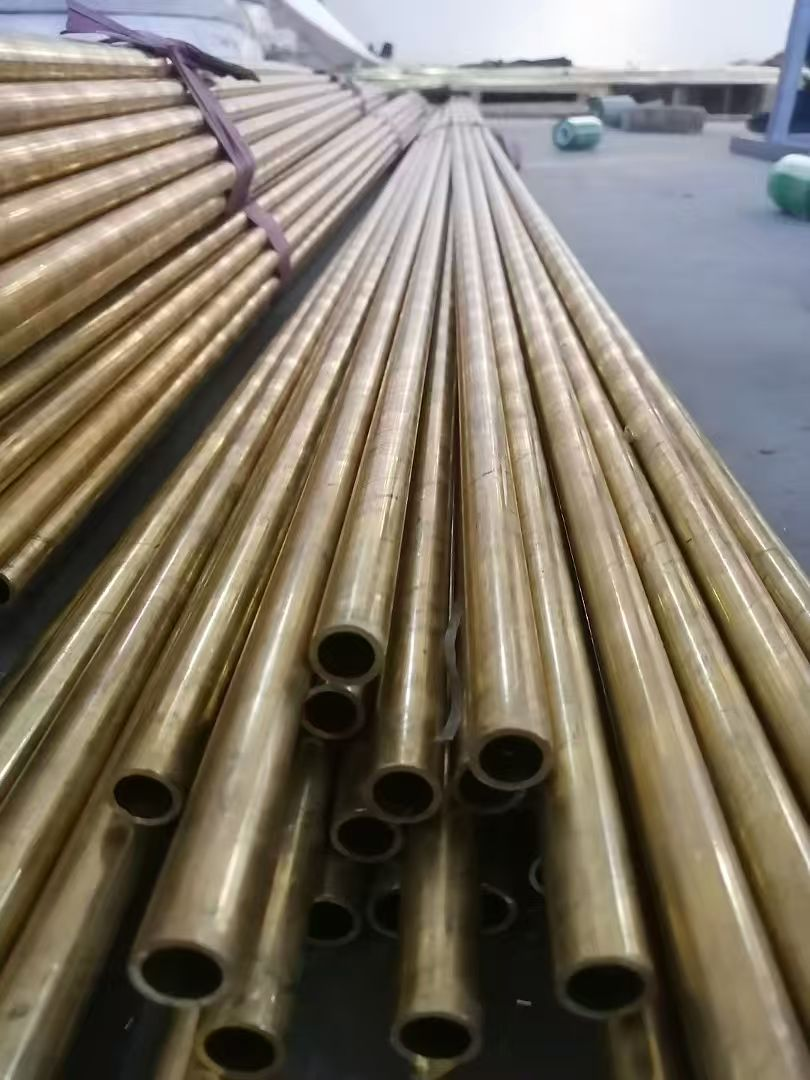
Finding a trusted copper pipe supplier isn’t just about browsing catalogs or comparing prices online. It often starts by digging into how the supplier sources their copper and whether they follow industry standards like ASTM B88 or EN 1057. You’d want to check if they provide mill test reports and traceability for their products, as this gives a clear picture of the metal’s purity and manufacturing consistency. A supplier that’s upfront about their supply chain and testing procedures usually signals dependability.
Beyond paperwork, it pays to listen to what past clients have to say. Genuine feedback—whether through long-term partnerships or detailed project case studies—can reveal a lot about on-time delivery, packaging quality, and how the company handles issues when things don’t go as planned. Sometimes, the best insights come from industry peers who’ve worked with the supplier across multiple projects, not just from a polished website or a quick quote.
Lastly, don’t underestimate the value of direct communication. A quick call or visit can highlight whether the team actually understands your specific needs, like diameter tolerances for plumbing versus HVAC applications. Suppliers willing to offer technical guidance without pushing a hard sell tend to be ones that prioritize long-term reliability over fast turnover.
What Sets Premium Copper Pipes Apart from the Rest
Not all copper pipes are forged equally. The difference starts at the molecular level—premium grades use nearly pure copper with minimal impurities, which directly translates to superior corrosion resistance. Over time, lower-grade pipes develop microscopic pits that can grow into pinhole leaks, but high-quality material maintains its integrity even under aggressive water conditions. This purity isn't just a spec sheet advantage; it's the quiet reason some plumbing systems outlast the buildings they serve.
Manufacturing precision plays an equally critical role. Top-tier pipes are drawn to exacting tolerances, ensuring uniform wall thickness throughout every foot. That consistency eliminates weak spots where pressure fluctuations could eventually cause ruptures. You'll also notice the difference in bendability—premium copper flexes smoothly without kinking, making installations faster and more reliable. Cheaper alternatives often skimp on this refinement, leaving installers wrestling with rigid sections that resist clean curves.
Then there's the finishing treatment that separates the exceptional from the merely functional. Quality pipes undergo a controlled annealing process that optimizes hardness and ductility, followed by meticulous cleaning to remove drawing lubricants and surface oxides. This isn't just cosmetic; it ensures cleaner soldering and fewer leak paths at joints. When you compare the overall lifecycle cost, the marginal upfront premium easily pays for itself in reduced maintenance and longer service intervals—a reality that seasoned contractors rarely need convincing of.
Installation Tips That Prevent Future Headaches
Skipping the manual might feel like a time-saver, but those little diagrams can save you from mounting something backward or missing a critical step that leads to wobbly results later. Give yourself an extra ten minutes to read through the instructions thoroughly before you even open the toolbox. It's much easier to catch a mistake on paper than after you've drilled into the wall.
Wall anchors are often overlooked, yet choosing the right type for your wall material—whether drywall, plaster, or concrete—can make the difference between a secure fixture and a costly repair. Plastic expansion anchors work well for lightweight items, but if you're hanging something heavy like a large mirror or shelf, toggle bolts or molly bolts provide far better holding power. When in doubt, go slightly heavier-duty than you think you need.
The biggest headache comes from misaligned holes and uneven lines. Use a level every single time, even if it feels obvious, and mark your drill points with a pencil first. For multiple fixtures, like a curtain rod bracket or a series of shelves, cut a cardboard template to transfer the hole positions from one side to the other perfectly. It takes a few extra minutes upfront but eliminates the frustration of staring at a crooked result every day.
The Hidden Costs of Choosing Cheap Plumbing Materials
Opting for bargain plumbing parts might fatten your wallet today, but it quietly sets the stage for a parade of unwelcome surprises. What begins as a minor drip from a substandard washer soon balloons into swollen drywall, mold creeping behind the vanity, and warped cabinetry that demands a full replacement. These materials often lack the corrosion resistance or precise tolerances of reputable brands, meaning joints loosen, seals fail, and your water bill climbs without a visible leak in sight. Every cheap fitting is a bet against longevity—and the house almost always loses, one costly repair at a time.
Beyond the immediate water damage, there's a quieter toll that hits when you least expect it: your time and peace of mind. A plumber's emergency call-out on a Sunday night costs triple, and the hours spent tearing out waterlogged flooring or sifting through insurance paperwork aren't coming back. Worse still, many budget materials void warranties on appliances downstream—that tankless water heater you invested in? A failed valve made of brittle plastic may leave you footing the replacement bill when the manufacturer denies the claim. The emotional fatigue of constant patchwork adds a layer of stress that no discount can offset.
Then there's the resale sting. A disclosure of cheap plumbing repairs during a property sale sends buyers running or slashes your asking price, effectively converting your upfront savings into a long-term financial handicap. What seems like a clever shortcut now reads as deferred maintenance to any half-decent inspector. In the end, the premium paid for quality materials isn't an expense—it's insurance against the compounding losses that cheap alternatives quietly nurture behind the walls.
Maintenance Secrets for Long-Lasting Copper Systems
Copper’s reputation for durability often leads to a false sense of security. The real secret to longevity isn’t in the material itself but in how you manage the conditions around it. Oxygen, moisture, and stray currents are the quiet saboteurs. By controlling these elements, you’re not just preventing corrosion—you’re preserving the copper’s natural ability to form a protective patina that actually shields it from further damage. This means paying attention to insulation gaps, condensation points, and even the pH of surrounding materials. Ignoring these details can turn a 50-year system into one that fails in 15.
Another overlooked aspect is the role of mechanical stress. Copper systems often suffer at connection points where expansion, vibration, and heat cycling create micro-movements that eventually loosen fittings or crack solder joints. The fix isn’t just tighter clamps but smarter design: allowing for thermal movement, using compatible hangers, and avoiding mixed-metal connections that accelerate galvanic corrosion. Regular visual checks—looking for green bloom at seams or a dull, dusty coating on pipes—can catch trouble before a leak starts. These small habits save time and money in ways that reactive repairs never can.
Finally, the most hidden maintenance secret is water chemistry management. Even clean-looking water can carry dissolved minerals that scale or strip the copper’s inner surface over time. Routine flushing, pH monitoring, and strategic use of sacrificial anodes in closed-loop systems can keep the interior as clean as the day it was installed. It’s about treating the system like a living asset rather than a passive network. When you shift from assuming copper is indestructible to understanding its vulnerabilities, you unlock a level of reliability that few ever bother to achieve.
FAQ
Copper pipes offer exceptional durability, natural resistance to corrosion, and the ability to withstand high temperatures and pressure. They also inhibit bacterial growth, which helps maintain water purity, making them a top pick for both residential and commercial installations.
Look for a supplier with a proven track record, certifications from industry bodies, and a wide inventory that includes various pipe sizes and types. Check for transparent pricing, positive customer reviews, and the ability to provide technical support or custom orders when needed.
Yes, common types include Type K, which has the thickest walls for underground use; Type L, a medium-thickness option ideal for interior water supply lines; and Type M, with thinner walls, typically used for low-pressure applications like drainage. Choosing the right type ensures system longevity and efficiency.
Store pipes in a dry, covered area away from direct sunlight and moisture to prevent tarnishing or corrosion. Keep them off the ground on racks or pallets, and avoid stacking heavy loads that could cause dents or bends. Proper storage maintains the material's integrity until you're ready to use it.
Absolutely. Copper's thermal stability allows it to handle extreme temperature variations without warping or degrading. It resists scaling at high temperatures and remains tough in freezing conditions, making it versatile for a wide range of plumbing needs, from water heaters to refrigeration lines.
While copper often has a higher upfront cost than plastic-based materials, its longevity and low maintenance can lead to savings over time. Copper systems rarely need replacements and add to a property's value. In contrast, PEX and PVC may be cheaper initially but can degrade faster under certain conditions.
Conclusion
Copper has long been the backbone of reliable plumbing, and for good reason. Its natural resistance to corrosion, durability under high pressure, and ability to inhibit bacterial growth make it a superior choice over alternatives. But the key to unlocking these benefits lies in sourcing from a knowledgeable copper pipe distributor who can verify the material’s grade and consistency. Look for suppliers that provide certifications and demonstrate a deep understanding of plumbing standards, as premium pipes are manufactured with uniform wall thickness and precise temper ratings. These qualities ensure that every joint and bend holds up over decades, avoiding the premature failures common with subpar materials.
Even the best copper pipes can fail if installed incorrectly. Taking time to clean and deburr cut ends, using appropriate flux and lead-free solder, and supporting pipes at correct intervals are practices that prevent leaks and stress fractures. Homeowners and contractors often underestimate what goes on behind the walls until a cheap fitting bursts or discolors the water. Opting for budget plumbing supplies might seem cost-effective at first, but the hidden expenses of water damage and repair quickly outweigh the initial savings. Routine maintenance is simple—regular inspections for green spots or condensation, and occasional flushing of low-use lines, can keep a copper system functioning flawlessly for generations. Investing in quality materials and craftsmanship from a trusted distributor isn’t just about immediate peace of mind; it’s a decision that preserves the integrity of the entire building.
Contact Us
Contact Person: Zoe Liang
Email: [email protected]
Tel/WhatsApp: 86 189 2128 6299
Website: https://www.baowuchina.com