

Custom Conveyor Pulley Solutions for Efficient Material Handling Systems
2026-07-27
In the fast-paced world of material handling, every component counts—but few are as critical as the pulley. When off-the-shelf options fall short, custom conveyor pulley solutions step in to keep operations running smoothly. At XAN, we’ve seen firsthand how tailored designs slash downtime, boost efficiency, and handle the toughest loads with ease. Whether you’re battling abrasive materials or navigating tight spaces, a pulley built to your exact specs can change the game. In this post, we’ll unpack what makes custom pulleys a smart investment and how the right partner elevates your entire system.
Tailoring Pulley Designs to Your Material Handling Demands
Every material handling scenario has its own set of challenges, from the weight and abrasiveness of the load to environmental conditions like moisture, dust, or extreme temperatures. Off-the-shelf pulley solutions rarely account for these variables, leading to premature wear, belt slippage, or even system downtime. We take a different approach by analyzing your specific operating parameters—belt speed, tension, load cycle, and surrounding environment—to engineer pulleys that integrate seamlessly into your process. This means selecting the right shell thickness, lagging material, and bearing arrangement not based on a catalog, but on your actual needs.
Lagging is often an afterthought, yet it’s critical for traction and wear resistance. Instead of a standard diamond pattern, we evaluate whether ceramic, rubber, or polyurethane lagging aligns with your material’s coefficient of friction and operating temperature range. For wet or oily environments, we might recommend a grooved design with self-cleaning properties, while high-impact applications benefit from vulcanized lagging that absorbs shock. Even the pulley profile can be adjusted—crowned drum ends, for instance, help with belt tracking without adding unnecessary lateral force that could stress the frame.
Beyond the immediate functional specs, we consider how the pulley will interact with the rest of your system over time. If you’re running a high-cycle operation, for example, we’ll prioritize tapered bore hubs and balanced assemblies to reduce vibration and extend bearing life. Our team works directly with your maintenance and engineering staff, often prototyping several configurations to find the optimal balance between durability and cost. The result is a pulley that not only meets today’s demands but remains reliable as your throughput changes, without constant adjustments or replacements.
Why Precision Engineering Matters for Conveyor Uptime
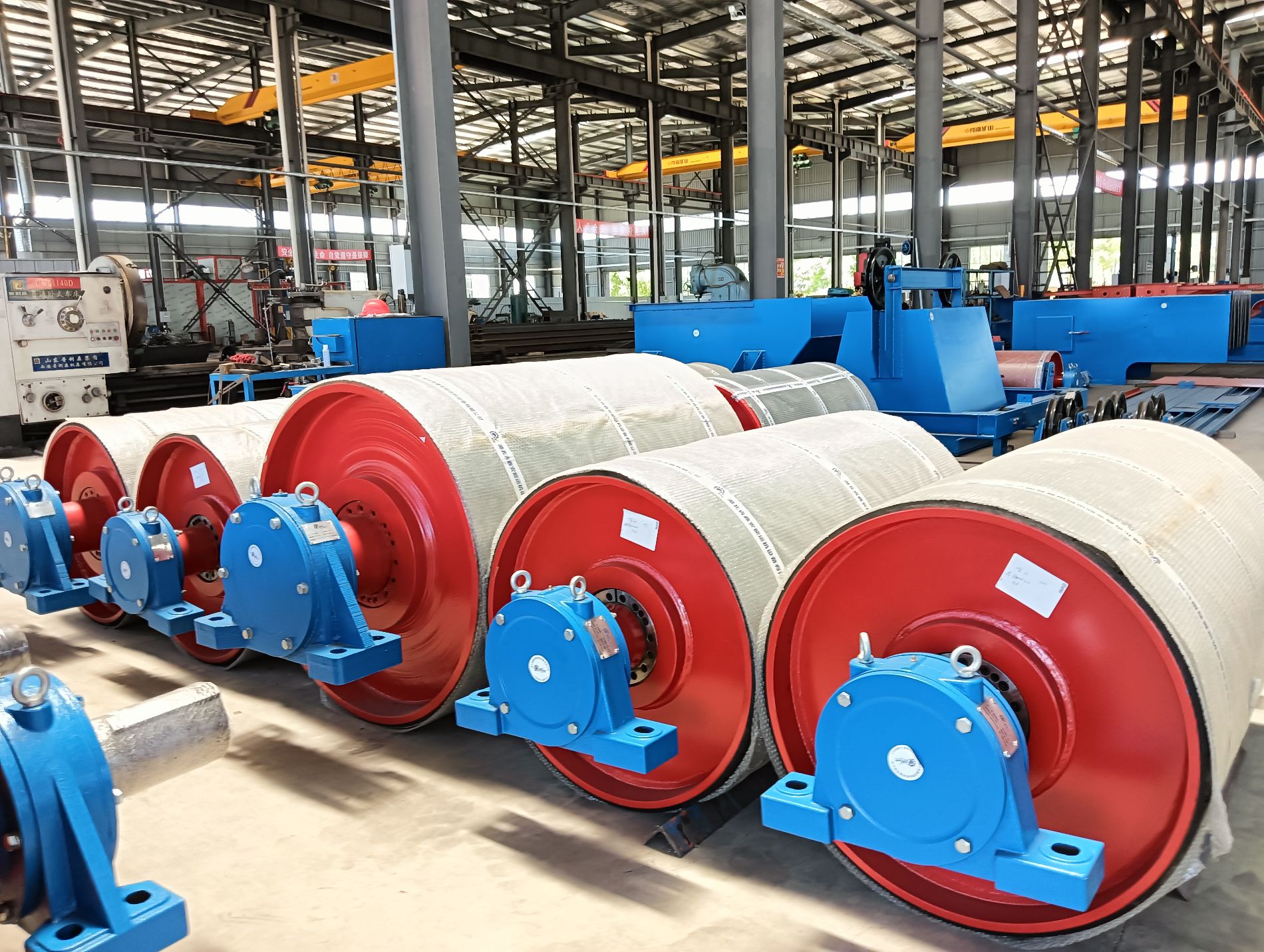
When every minute of downtime chips away at production targets, the margin between smooth operation and costly stoppage often lies in the smallest details of component design. Precision engineering eliminates the guesswork from conveyor performance, ensuring that rollers, bearings, and shafts are matched to their operating environment with tight tolerances. This attention to fit and finish prevents the uneven wear and micro-misalignments that gradually degrade efficiency, turning potential failure points into reliable links in the material handling chain.
Selecting Materials That Withstand Harsh Operating Environments
Surviving extreme conditions isn’t just about picking a high-performance alloy off a list—it’s about understanding the interplay between temperature swings, corrosive agents, mechanical load, and even radiation or vacuum. A material that holds up beautifully under static heat may fail catastrophically once thermal cycling introduces microcracks, or when a seemingly inert atmosphere contains trace chlorides. Engineers must look beyond tensile strength and melting point, drilling into oxidation kinetics, stress-corrosion cracking thresholds, and the way grain boundaries evolve after thousands of hours at temperature.
In practice, the selection process leans heavily on test data that replicas of the actual environment—accelerated aging, salt spray combined with thermal shock, or exposure to process gases—alongside historical field performance. Often the final choice isn’t a single material but a system: a refractory metal coated with a ceramic barrier, or a composite whose matrix handles the load while the fibers resist chemical attack. These hybrids, along with emerging high-entropy alloys and additive-manufactured components with tailored microstructures, are redefining what “withstand” really means.
Reducing System Wear with Optimized Pulley Configurations
Every rotation of a pulley carries a hidden cost—microscopic wear that accumulates into major system fatigue. When pulleys are misaligned or poorly sized, even premium belts and cables pay the price through uneven tension distribution. The smart alternative lies in treating pulley configuration as a dynamic system rather than a set of static components.
Small adjustments to groove geometry and surface finish can dramatically extend service intervals. A slightly deeper profile that matches the belt's natural flex pattern reduces edge friction without compromising grip. Similarly, widening the center distance just beyond the standard minimum allows the belt to breathe, cutting down heat buildup that accelerates material degradation.
Field data from industrial maintenance teams shows that optimized layouts often double the time between replacements. The trick is iterative refinement: start with baseline calculations, then observe wear patterns under real loads. A pulley that runs noticeably cooler to the touch after a few cycles is usually signaling that the configuration is working with the system's natural dynamics instead of against them.
How Custom Pulleys Streamline Throughput and Cut Costs
Off-the-shelf pulleys might check the box for basic operations, but they rarely account for the subtle misalignments, load fluctuations, or space constraints that quietly eat into your line’s performance. Custom pulleys, on the other hand, are engineered to fit the exact geometry and material flow of your system, eliminating the friction points and minor jams that cause cumulative downtime. When every rotation transfers power without slippage, throughput rises without forcing faster motor speeds—just cleaner, more predictable motion.
Beyond preventing hiccups, tailored pulley designs open the door to weight reduction and smarter material choices. A pulley machined from a lighter alloy or reinforced polymer can lower the inertia of your drive train, reducing energy draw and letting you downsize motors or support structures. Those savings compound over months of continuous operation, and because the pulley profile is dialed in to your belt type and tension requirements, wear and tear on belts drops noticeably—fewer replacements, fewer scheduled stops.
We often see payback in unexpected places: a custom crowned pulley that keeps a stubborn belt centered, or a precisely bored hub that makes installation foolproof, cutting changeover time in half. These aren’t just incremental tweaks; they’re deliberate design choices that remove hidden inefficiencies baked into generic parts. In tight-margin environments, that kind of targeted refinement directly lands on the bottom line, turning a simple component switch into a genuine cost-reduction strategy.
Real-World Successes: Pulleys Engineered for Tough Applications
In the rugged terrain of a remote mining operation, standard pulleys crumbled under punishing loads and abrasive conditions. The switch to reinforced, purpose-built pulley systems transformed their conveying infrastructure. Designed with hardened steel shells and labyrinth-sealed bearings, these units shrugged off dust, moisture, and 24/7 operation without a single unplanned shutdown in two years. The maintenance team noticed the difference immediately—fewer replacements, less downtime, and a steady flow of material that kept extraction targets on track.
An offshore drilling platform faced a different challenge: corrosive salt spray and extreme tension cycles that ate away at conventional lifting mechanisms. Custom-engineered pulleys with corrosion-resistant alloys and self-lubricating components were installed directly into the crane systems. The result was a leap in reliability; inspection intervals stretched from weeks to months, and the crew no longer worried about sudden failures during critical lifts. This wasn't just a component upgrade—it was a complete rethinking of how power transmission should perform when failure is not an option.
Closer to civilization, a high-volume packaging plant struggled with belt slippage and alignment drift that caused product jams. A precision-engineered pulley lineup, dynamically balanced and equipped with onboard tension monitoring, eliminated these hiccups. The production line saw a 15% uptick in throughput simply because the conveyors no longer drifted off course. It’s proof that tough applications aren't only about heavy loads or extreme environments—sometimes, the true test is relentless speed and the need for flawless accuracy, day in and day out.
FAQ
Custom conveyor pulleys are engineered to match specific system requirements, which maximizes efficiency, reduces belt slippage, and extends equipment lifespan. They also minimize downtime by being designed for particular loads and speeds, preventing common failures seen with off-the-shelf parts.
If you're dealing with unusual belt widths, high-tension environments, abrasive materials, or non-standard shaft sizes, a custom solution is likely necessary. Standard pulleys may wear out quickly or cause misalignment in these conditions, while tailored ones address those exact challenges.
Depending on the application, pulleys can be made from carbon steel, stainless steel, or specialized alloys. For corrosive or washdown environments, stainless steel is common, while heavy-duty mining applications often use thick carbon steel with hardened rims. Lagging materials like rubber, ceramic, or polyurethane are added for grip and wear resistance.
Yes, a correctly designed pulley can significantly lower noise levels. By ensuring proper concentricity and balance, and using appropriate lagging, vibration is minimized. Special end-disc designs and precision machining also quiet operation by eliminating high-frequency rattles common in poorly fitted pulleys.
Lagging protects the pulley face and increases friction between the pulley and the belt, preventing slippage. Customization matters because different environments demand different lagging types—ceramic for high-wear or wet conditions, rubber for general use, or grooved patterns to channel water and debris away.
A pulley machined with precise tolerances and proper crowning helps the belt center itself naturally. When you combine that with shaft designs that accommodate specific mounting setups and tension levels, the belt runs truer, reducing edge wear and the need for constant adjustments.
Mining, quarrying, recycling, bulk handling, food processing, and any sector with harsh or unique operational conditions. These industries often deal with extreme loads, chemicals, or stringent hygiene requirements where standard components simply can't hold up.
You'll need to provide detailed specifications like belt width, pulley diameter, face length, shaft requirements, bearing types, lagging choice, and the expected load. Additional factors include environmental conditions, installation constraints, and any special coating or balancing needs. A thorough design consultation ensures the pulley fits seamlessly into the existing system.
Conclusion
Tailoring pulley designs to your specific material handling needs ensures seamless integration and peak efficiency. Precision engineering eliminates guesswork: exact tolerances, balanced assemblies, and thoughtful geometry keep conveyors humming with minimal vibration or unexpected stops. When equipment faces abrasive dust, moisture, or chemical attack, the right material choices—like hardened steels, protective coatings, or specialized composites—act as a shield, extending component life even in punishing conditions.
Optimized pulley configurations cut down on belt slippage and uneven loading, which means fewer breakdowns and lower upkeep expenses. Custom solutions also help move more material with less energy, smoothing out throughput and slashing operational costs. From high-impact quarries to freezing cold storage facilities, purpose-engineered pulleys have proven their value, tackling tough jobs that off-the-shelf parts simply can’t handle.
Contact Us
Contact Person: Anna Lu
Email: [email protected]
Tel/WhatsApp: 8618561668850
Website: https://www.x-conveyor.com