

Custom PETG Bottle Options That Combine Clarity, Durability, and Brand Appeal
2026-09-07
When it comes to packaging that truly stands out on the shelf, custom PETG bottles strike a rare balance—crystal-clear clarity, impressive durability, and the kind of brand appeal that turns casual browsers into loyal buyers. Unlike standard plastic containers, PETG offers a premium feel without the fragility of glass or the haze of lower-grade plastics. At Zhejiang Haitong Plastic Industry Technology Co., Ltd., we understand that your bottle is more than a vessel; it's the first handshake with your customer. In this post, we'll explore the custom options that let you shape not just the container, but the entire consumer experience—from ergonomic designs to flawless transparency. Ready to see how the right bottle can elevate your product? Let's dive in.
Thinner walls, clearer view: the trade-off you need to know
When a product slims down its walls, you notice the difference the moment light passes through. The view becomes crisper, colors look truer, and the object itself feels less obtrusive. It's an aesthetic win that many people chase without thinking twice.
But that visual clarity comes with a quiet cost. Thinner walls often mean less material to absorb shocks, resist scratches, or maintain structural integrity over time. A slight bump that a thicker shell would shrug off can turn into a crack or a dent. The trade-off isn't always obvious at first glance.
So before you opt for the sleekest option, ask yourself how much wear and tear you actually expect. If the item lives in a protected environment, the clearer view is worth it. If it travels in a bag with keys and coins, you might miss the extra thickness you sacrificed for style.
PETG vs. acrylic: why shatter resistance wins in real life
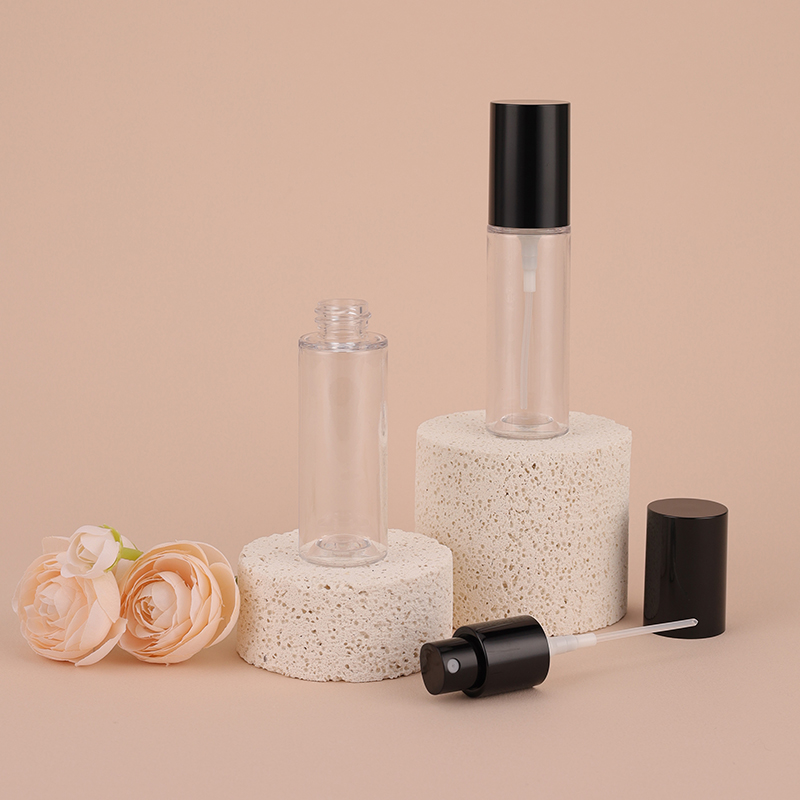
Drop a sheet of acrylic on a concrete floor and the result is often a spiderweb of cracks and a pile of sharp shards. PETG, on the other hand, tends to flex and bounce. That single difference shows up everywhere from shipping crates to point-of-sale displays: acrylic looks pristine until the first hard knock, while PETG keeps taking hits without turning into a safety hazard.
Real-world impact rarely comes from a neat, controlled angle. A dropped tool, a slammed door, or a kid yanking on a display panel can send brittle plastic flying. PETG absorbs that energy through slight deformation, so it dents or scratches instead of fragmenting. For enclosures, machine guards, or anything that sits at arm level, that resilience means fewer replacements and a lot less time picking sharp bits out of your shoes.
Custom necks and closures that make refilling a joy
Refilling a bottle usually means wrestling with a narrow opening, a slick cap, and a slow dribble that ends up everywhere except inside. The custom neck here changes that dynamic entirely. Its wide, angled rim catches the flow from any refill pouch or larger jug, while a subtle internal lip breaks surface tension so the liquid drops cleanly instead of clinging to the edge. You get a steady stream, not a balancing act.
The closure is just as deliberate. Instead of a generic screw cap, this one uses a springless silicone valve that seals tight when flipped down and opens with one thumb when raised. No cross-threading, no lost gaskets. A soft click tells you it's closed; a smooth pivot tells you it's ready to pour. Refilling stops being something you postpone and starts being something you can do over the kitchen sink without grabbing a funnel.
What makes it genuinely enjoyable is how the small details disappear. After a few refills, you stop thinking about the mechanics altogether. The bottle simply opens when you need it, fills without drama, and seals without effort. That kind of quiet reliability turns a routine chore into a moment of small satisfaction, and it's why the neck and closure design matters more than the bottle itself.
Frosted, tinted, or crystal clear: a finish for every shelf
Choosing a shelf finish often comes down to the mood you want the room to hold. Frosted glass softens the light that passes through, turning harsh glare into a quiet glow. It hides the clutter behind it, but still lets shapes and shadows come through, which works well in a bathroom or a narrow hallway where you want privacy without losing the sense of space.
Tinted shelves add a deliberate note of color without shouting. A smoky gray or a faint amber can shift the temperature of a wall, especially when the shelf catches natural light from a window. It is a subtle trick, one that works better with a few well-chosen objects than with a crowded row of books. The color doesn't need to match anything exactly; it just needs to feel like it belongs.
Crystal clear shelves, on the other hand, insist on order. They demand that whatever sits on them be worth seeing from every angle, because there is nothing to hide behind. They are best when the shelf itself is not the point, when the focus should be a single plant, a piece of hand-thrown pottery, or a small stack of art books. Each finish has its own kind of honesty, and the right one depends on what you are willing to reveal.
Embossed logos that survive the dishwasher
Most printed or pad-printed logos start to flake after a few dozen high-heat cycles. Embossing avoids that failure point entirely by pressing the mark directly into the material, so there is no ink layer to lift, fade, or peel. With a deep enough relief and a resin that holds crisp edges under thermal stress, the logo stays readable even after years of daily dishwasher runs.
The key is in the mold detail and the wall thickness behind the raised area. A shallow stamp looks cheap and can soften into a blur once the plastic expands and contracts. A well-made embossed logo has sharp shoulders and enough backing mass to resist warping, which keeps the letters defined rather than turning them into a smudge.
If you're comparing drinkware or food storage, run a fingernail over the mark. You should feel a clean, consistent depth without rough edges. That tactile quality is usually a good sign the embossing was engineered for repeated hot-water exposure, not just for show on a retail shelf.
From honey to hand sanitizer: why viscosity changes everything
Pour honey onto a spoon and it stretches into a glossy, slow-moving ribbon. Squirt hand sanitizer instead and it splashes into a thin, fast-spreading pool. Both are liquids, yet they behave almost like different states of matter. That difference comes down to viscosity—the internal friction that resists flow. Honey’s high viscosity makes it cling and drizzle, while sanitizer’s low viscosity lets it coat your hands in seconds. The same physics that keeps syrup on your pancakes also controls how paint rolls onto a wall, how blood moves through veins, and how lava creeps down a volcano.
Viscosity isn’t just a lab curiosity; it shapes everyday product design. A hand sanitizer with too much viscosity would leave a sticky residue and never dry properly, so formulators tune it with alcohols and glycerin to pour easily and evaporate fast. Meanwhile, a face cream needs a middle ground—thick enough to stay on skin, thin enough to rub in without dragging. Even the “thickness” of ketchup is carefully engineered so it sits on a hot dog but flows when shaken. Change the viscosity a little, and you change how a substance feels, spreads, and performs.
From food to medicine to manufacturing, viscosity is the silent variable behind success or failure. Engine oil must stay viscous enough to cling to metal parts at high temperature, yet thin enough to pump on a cold morning. Ink needs to flow through a pen tip but not bleed through paper. And in the body, mucus viscosity can trap pathogens or let them slip through, influencing infection risk. Mastering viscosity means tailoring the flow of matter to the task at hand—whether that’s a slow drip of honey or a quick sanitizing rub.
FAQ
PETG doesn't develop that cloudy, stressed look that standard PET gets after filling or dropping. It also bonds well with a wider range of adhesives and inks, so your label or print won't peel or haze over time. For custom shapes, PETG flows more predictably in the mold, meaning you can get sharper corners and deeper embossing without weak spots.
They can if the preform design accounts for CO2 pressure. PETG itself holds up fine at typical carbonation levels, but the base and neck need proper thickness. We always recommend testing with your actual fill temperature and pressure, because cold-fill carbonated drinks can put extra stress on the sidewall.
Skincare and cosmetic brands are the biggest, because the bottle often has to look like glass but survive a shower shelf. Beverage startups also use clear PETG for cold-pressed juices and flavored waters where the color of the liquid is the main visual. Some supplement companies choose PETG for capsules that need moisture protection without a frosted outer layer.
Glossy maximizes clarity, so the product inside becomes the hero. Frosted hides small scratches and fingerprints much better, which matters if your bottle goes through a lot of handling. A good middle ground is a glossy panel with frosted sides, letting you keep a clear window while softening the overall look.
Adding color does complicate the recycling stream because the tint has to be sorted separately, but it doesn't ruin the material itself. For clarity, translucent tints like light amber or blue still let you see the fill level, while opaque colors obviously block it. If you want a colored bottle but still show product, go with a low-dye translucent option.
The neck and cap area gets ignored too often. A custom collar or a slight taper at the shoulder makes the bottle feel more premium than a straight cylinder. Also, embossing your logo on the base instead of relying only on a label adds a tactile surprise that people notice when they pick it up.
Yes, PETG is generally safe for alcohol and many essential oils, but you should test the specific oil concentration. Pure essential oils can act as solvents and may affect the surface over several months. For alcohol-based hand sanitizers or room sprays, PETG works well and won't crack like some acrylics.
For a fully custom blow mold, expect MOQs around 10,000 to 25,000 units, depending on size and decoration. If you need a faster route, some suppliers offer stock PETG preforms that can be blown into limited shape variations with lower minimums, though the design freedom is narrower.
Conclusion
When you start customizing PETG bottles, the first thing that hits you is how much wall thickness shapes both look and feel. Go thinner and the contents almost float—the clarity is stunning—but you lose some rigidity and impact resistance. It is a genuine trade-off, not a flaw: slim walls suit lightweight travel bottles, while a bit more thickness gives you that solid, premium heft. Against acrylic, PETG is the quiet workhorse. Acrylic can look like glass until it hits a tile floor; PETG tends to bounce or scuff instead of shattering. For refillable bottles that get knocked around in bags or kitchens, that shatter resistance matters more than a slight edge in optical polish. The real upgrade many brands overlook is the neck and closure. A well-matched thread, a drip-free spout, or a wide mouth turns a plain bottle into something you actually want to refill daily—whether it's honey, syrup, or hand sanitizer. Viscosity changes everything: thick products need a wider mouth or a precision tip, while thin liquids do better with a controlled pour insert.
Then there's the finish. Frosted PETG hides scratches and looks soft on a bathroom shelf; tinted versions add UV protection and a hint of color without muddying the product inside; crystal clear remains the best choice when you want the liquid itself to be the label. Embossed logos push branding further. Unlike printed labels that peel after repeated dishwasher cycles, a raised mark molded directly into the PETG stays sharp and tactile, surviving hot water and detergent without fading. The same logic applies to embossed measurement marks or grip rings—they become part of the bottle's structure rather than a surface afterthought. Combining these choices is where custom PETG really shines. You can have a frosted body with a clear window strip, a chunky base for stability, and a custom cap that clicks shut with confidence. The result is not just packaging; it is a refillable object people keep, reuse, and associate with your brand.
Contact Us
Contact Person: Kara Yang
Email: [email protected]
Tel/WhatsApp: 8618857568397
Website: https://www.haitongplastic.com/