

Custom Window Coverings: How to Find the Perfect Match for Every Room
2026-09-18
Finding window coverings that truly fit a room is rarely about just measuring the glass. From sun-drenched kitchens to cozy media dens, each space has its own glare, privacy, and style demands. The good news? Off-the-shelf sizes no longer dictate your options. With ROLLERGY, custom solutions turn tricky angles, odd dimensions, and specific light-control needs into straightforward choices. Here's how to match every room with a covering that feels intentional—not accidental.
Start with the Window You Ignore Most
Most people reach for the living room window first, the one that faces the street and gets admired by neighbors. But the window you ignore—maybe the small one above the kitchen sink, or the one hidden behind a shrub in the back hallway—is often where the real story lives. It collects a different kind of light, a quieter view, and usually the most honest reflection of how you actually live.
That overlooked glass does more than get dirty. It shapes a corner of your daily routine without asking for attention. While the front windows are staged for curb appeal, the one you pass by without a second glance holds the condensation from morning coffee, the smudge from a child’s hand, the streak left by last week’s rain. Paying attention to it isn’t about cleaning—it’s about noticing what you’ve trained yourself to skip.
Start there because it forces a shift in awareness. Once you reframe the window you typically ignore as worthy of care, you’ll find the same logic spilling into other neglected spaces—the drawer you never open, the plant in the far corner, the view from your desk chair. Small acts of attention have a way of rearranging the whole room.
Follow the Sun’s Path, Not the Trend
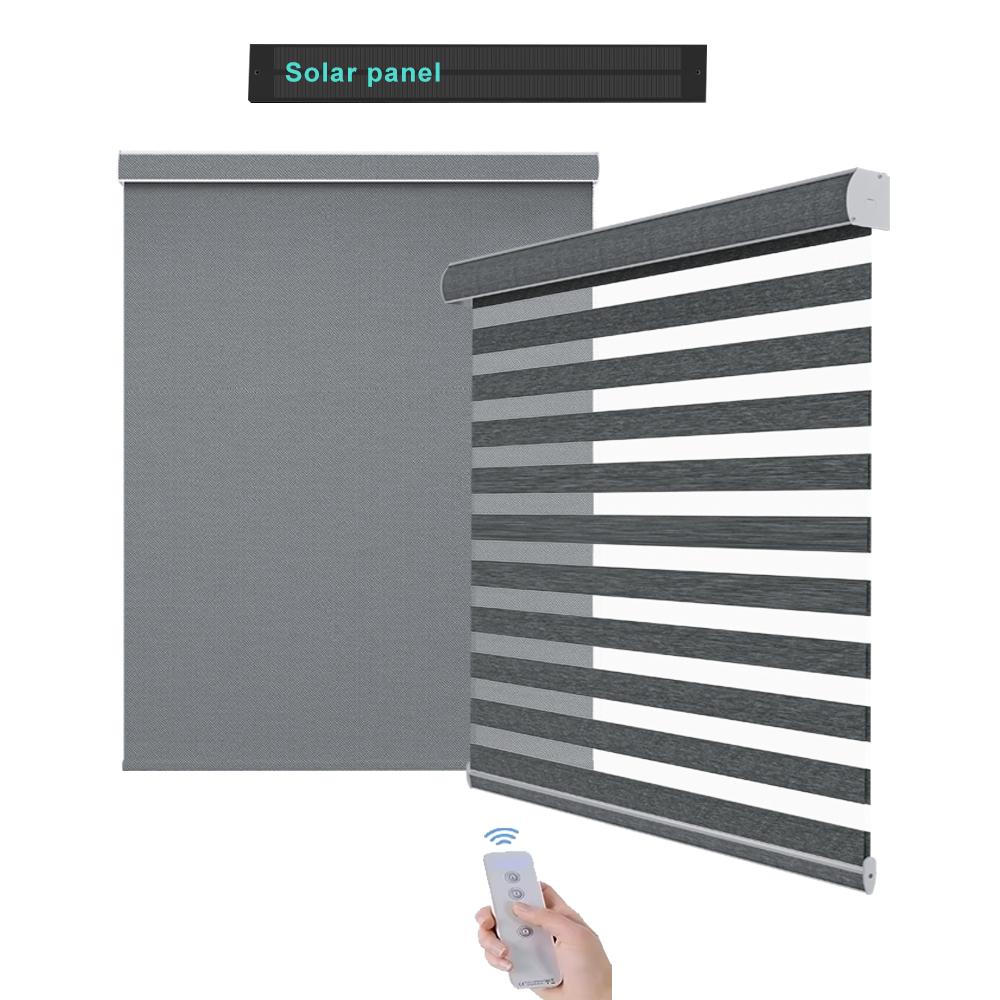
The sun doesn’t consult opinion polls or pivot with each passing season. It rises, arcs, sets, and repeats, a rhythm older than any market cycle. That steadiness is worth copying. Trends, by contrast, are weather systems—brief, noisy, often unpredictable. Choosing the sun’s path means anchoring your decisions in what endures: craft, curiosity, patience.
A plant doesn’t argue with the light; it leans toward it. There’s an honesty in that movement. When you chase trends, you’re always looking sideways, measuring yourself against someone else’s highlight reel. But following the sun asks you to look up and forward, to trust your own position. The light may shift slowly, yet it never disappears.
This isn’t about rejecting novelty; it’s about refusing to let novelty steer. You can admire a passing cloud without mistaking it for the sky. Real progress, the kind that doesn’t evaporate by next quarter, comes from aligning with patterns larger than hype. In a world that loves quick turns, there’s quiet power in keeping your face toward the light and your feet on the ground.
Turn Privacy Into a Design Feature
Privacy often gets treated like a legal checkbox, buried in settings and written in legalese. But flipping that approach changes everything. When you design privacy as a visible, valued feature, it stops being a burden and starts being a reason people choose your product. Think about how a clean, well-lit storefront feels safer than a cluttered back alley—privacy can do the same for digital spaces.
Start by minimizing what you collect. Every field you don't ask for is a feature, not a missing one. Then make the controls obvious: a simple switch for data sharing, a clear explanation of what's stored and why, and an easy way to delete everything. These aren't just compliance tasks; they're design decisions that shape how people feel while using your product. When someone sees they can wipe their history in two taps, that's a moment of relief they'll remember.
The real payoff comes when privacy becomes part of your product's identity. Users who care about this will notice the difference, and they'll tell others. You don't need to shout about it—just make the private option the default, show what you're doing with their data, and let the experience speak. That quiet confidence builds loyalty that no dark pattern can match.
Choose Fabric Like It’s Fashion, Not Furniture
When you pick fabric for a sofa, you're not just choosing a material to withstand spills and napping dogs. You're deciding how the room feels every single day. Think of it like picking out a jacket you'll wear for years—you care about the texture against your skin, the way it catches light, and whether it makes you feel put together or just covered up. Linen wrinkles and softens like a favorite shirt, while velvet catches shadows and turns an ordinary Tuesday into something a little more dressed up. If you wouldn't wear head-to-toe beige corduroy, why would you wrap your whole living room in it?
Designers often talk about fabric in terms of durability and rub counts, but the first question should be emotional: does this make me want to sit here longer? A nubby boucle invites your hand to run across it, like a cardigan you can't stop touching. A crisp cotton chintz feels like spring, even in February. And just like fashion, mixing textures can elevate the whole look—pair a smooth leather chair with a chunky wool throw, and suddenly the room has depth, not just furniture. Pay attention to the drape too. A stiff fabric on loose cushions looks like a suit that doesn't fit, while a soft weave settles into the frame with ease.
Trends will come and go, but your personal style rarely does. If you gravitate toward denim and linen in your closet, bring that same ease to your sofa. If you love a silk blouse, consider a subtle sheen in your curtains or accent pillows. The goal isn't to match your wardrobe item for item, but to notice what makes you feel comfortable and confident, then translate that into the room. After all, you'll spend more time on your couch than in most outfits.
Let the Room’s Mood Pick the Color
Start by watching the room at different times of day, before you open a single paint deck. Morning light might wash a north-facing wall pale and cool, while the same space feels heavy at dusk. Jot down what changes: where shadows land, how the floor reflects sunlight, which corner always feels a little gloomy. Those observations tell you more than any trend forecast. If a room already leans cold and dim, a warm neutral can bring it back to life; if it's flooded with afternoon sun, a soft dusty blue can quiet the glare.
Let daily routines set the emotional baseline. A kitchen where you linger over coffee and weekend newspapers asks for restful greens or warm oat tones, not high-energy citrus. A bedroom that doubles as a home gym might need a darker, grounding shade to separate rest from movement. The room's mood isn't just about size or light—it's about what you actually do there and how you want to feel while doing it.
Once you've narrowed down a few candidates, test them on two or three walls and live with the swatches for a couple of days. Notice the way a color changes from breakfast to late evening. A terracotta that feels cozy at noon can turn muddy in shadow. You're not decorating to impress; you're matching color to the room's existing rhythm so the space feels settled rather than styled.
Finish with Details That Frame the View
A single windowpane can change everything. When you step back from a scene, resist the urge to summarize the whole panorama. Instead, let a nearby branch, a windowsill, or the curve of a balcony railing create a natural edge. That edge pulls the eye in and makes the view feel intentional, as if you are standing exactly where the landscape wants you to be.
Think of the last photograph you lingered over. Chances are, it wasn't the wide shot that held your attention but the small detail at the border—the peeling paint on a shutter, a coil of rope resting on the dock, the silhouette of a child's bicycle leaning against a stone wall. These details don't distract from the view; they give it a frame, a sense of scale, and a quiet story. They remind you that a view is never just a view. It is a moment you happened to be present for.
So before you move on to the next overlook or the next paragraph, pause and look for one detail that feels almost accidental. A smudge on the lens, a stray leaf caught in the railing, a reflection trembling in a puddle. Write that detail down or capture it on film. Let it be the last thing you see. Because that is what will stay with you—not the vastness, but the small, unexpected frame you chose to remember it by.
FAQ
Focus on how you use the space daily. Living rooms often need a balance of natural light and privacy, so think about whether you watch TV during the day or face a busy street. Layering sheer curtains with heavier drapes gives you flexibility without blocking the view entirely. Also pick a fabric that won't fade quickly if the room gets strong afternoon sun.
Don't rely on a single tape measure pass. Measure the width at the top, middle, and bottom, then use the narrowest measurement for inside mounts. For outside mounts, add at least two to three inches on each side to prevent light gaps. Check that the window frame is square, because older homes often have slight irregularities that will show if you cut too tight.
Skip anything that absorbs moisture or traps cooking odors. Faux wood blinds, vinyl shutters, or polyester roller shades handle humidity well and wipe clean with a damp cloth. Natural wood can warp over a stove or shower, so save that for drier rooms. If you want a softer look, choose a mildew-resistant fabric designed for high-moisture areas.
Yes, but they won't make a room silent. Thick cellular shades or heavy lined drapes absorb some sound, especially if they cover the entire window frame with minimal gaps. For noticeable improvement, pair them with weatherstripping around the window or add a second layer like a woven wood shade behind the drape. The tighter the seal, the more high-frequency noise gets blocked.
Instead of matching exact colors, pull one accent tone from a rug or artwork and repeat it in the shade fabric. Mix textures: a smooth roman shade next to a nubby linen sofa looks more intentional than using the same fabric on every window. If your room has bold patterns, keep the window treatment solid, or vice versa. Vary the style between rooms so the whole house doesn't feel like a showroom.
Most shops take two to four weeks from final measurements to installation, but it depends on the material and hardware. If you need something faster, ask about rush production or ready-made options that can be trimmed to size locally. Always confirm whether the quoted timeline includes shipping and scheduling, because backordered fabrics can add another week or two.
Forgetting about window depth and handle clearance. A beautiful roman shade can block the crank or lever if the window is shallow or the handle sticks out. Always test the full range of motion before finalizing the design. Also, don't ignore the stack height—when the shade is fully raised, the folded fabric shouldn't cover too much glass or bump into nearby furniture.
Definitely. Cordless lifts or motorized systems remove dangling cords that are a strangulation hazard. Many manufacturers now offer cordless as standard on cellular and roman shades without a big price jump. If you go motorized, consider rechargeable battery wands so you don't need an electrician or visible wires. It's a small upgrade that gives you easier control over high or hard-to-reach windows.
Conclusion
Finding the perfect custom window covering starts with rethinking how you actually live in each room. Instead of defaulting to the same blinds everywhere, begin with the window you ignore most—often a hallway or bathroom—because it sets the tone for how light and privacy shape your day. Then follow the sun’s path rather than passing trends: track where glare hits your desk in the morning or where afternoon heat builds in the living room, and let that dictate opacity and material. Turn privacy into a design feature by layering sheer curtains with woven woods or using frosted film cut into geometric patterns, so a practical need becomes the room’s quiet focal point. Choose fabric like you would a tailored jacket—linen for breathable structure, velvet for depth and sound absorption, performance weaves for kitchens—not like matching a sofa. Let the room’s mood pick the color: a reading nook might want dusty terracotta to wrap you in warmth, while a bathroom calls for cool mineral blues that echo water and stone. Finally, finish with details that frame the view rather than hide it—think slim metal rods, leather tiebacks, or a pelmet that draws the eye outward. Together, these choices turn a functional afterthought into the most personal design statement in the house.
Contact Us
Contact Person: Vivien Cheng
Email: [email protected]
Tel/WhatsApp: +86 13751758835
Website: https://www.rollergytech.com/