

Eco-Friendly Insulation Board Production Line: Driving Sustainable Construction Innovations
2026-07-25
As the construction industry accelerates its shift toward sustainability, one innovation is quietly reshaping how we think about building materials: the eco-friendly insulation board production line. This technology not only reduces environmental impact but also drives efficiency in manufacturing. At the forefront of this transformation is YI ZHOU TECHNOLOGY, pioneering solutions that merge green practices with performance. In this post, we'll explore how these advanced production lines are setting new standards for sustainable construction—and why they might just be the blueprint for the future.
Reimagining Building Envelopes with Green Insulation Tech
For decades, building envelopes have relied on conventional insulation materials that often carry a heavy carbon footprint and limited performance over time. The shift toward green insulation technology is not just about swapping materials; it’s about rethinking the entire envelope as a living, breathing system that works with nature. This means moving beyond synthetic foams and fiberglass toward bio-based and reclaimed options like mycelium composites, straw bale, and hempcrete, which inherently manage moisture, sequester carbon, and provide excellent thermal resistance without toxic off-gassing. These materials are transforming walls and roofs from passive barriers into active contributors to building health and energy efficiency.
What makes this reimagination truly compelling is the integration of performance and sustainability in a single layer. Advanced green insulation solutions often marry natural fibers with aerogel enhancements or phase-change materials that regulate indoor temperatures dynamically. For instance, a wall assembly using wood fiber insulation paired with a phase-change panel can absorb excess heat during the day and release it at night, drastically reducing mechanical heating and cooling loads. This blurs the line between insulation and functional thermal mass, allowing designers to simplify building systems and cut operational energy use without compromising comfort. The envelope becomes a dynamic interface, not just a static shield.
Adopting these technologies also addresses a major blind spot: the embodied energy of insulation itself. Conventionally, it can take decades for high-performance insulation to offset the energy used in its manufacturing, but plant-based or recycled-content alternatives often have a net-positive effect from day one. Coupled with breathable, moisture-buffering properties, they reduce the risk of condensation and mold without relying on complex vapor barriers. The result is a resilient envelope that supports healthier indoor environments and aligns with circular economy principles. It’s a practical reimagining—one where the building envelope not only protects against the elements but also regenerates the planet, one wall at a time.
The Circular Production Model Behind Eco-Friendly Boards
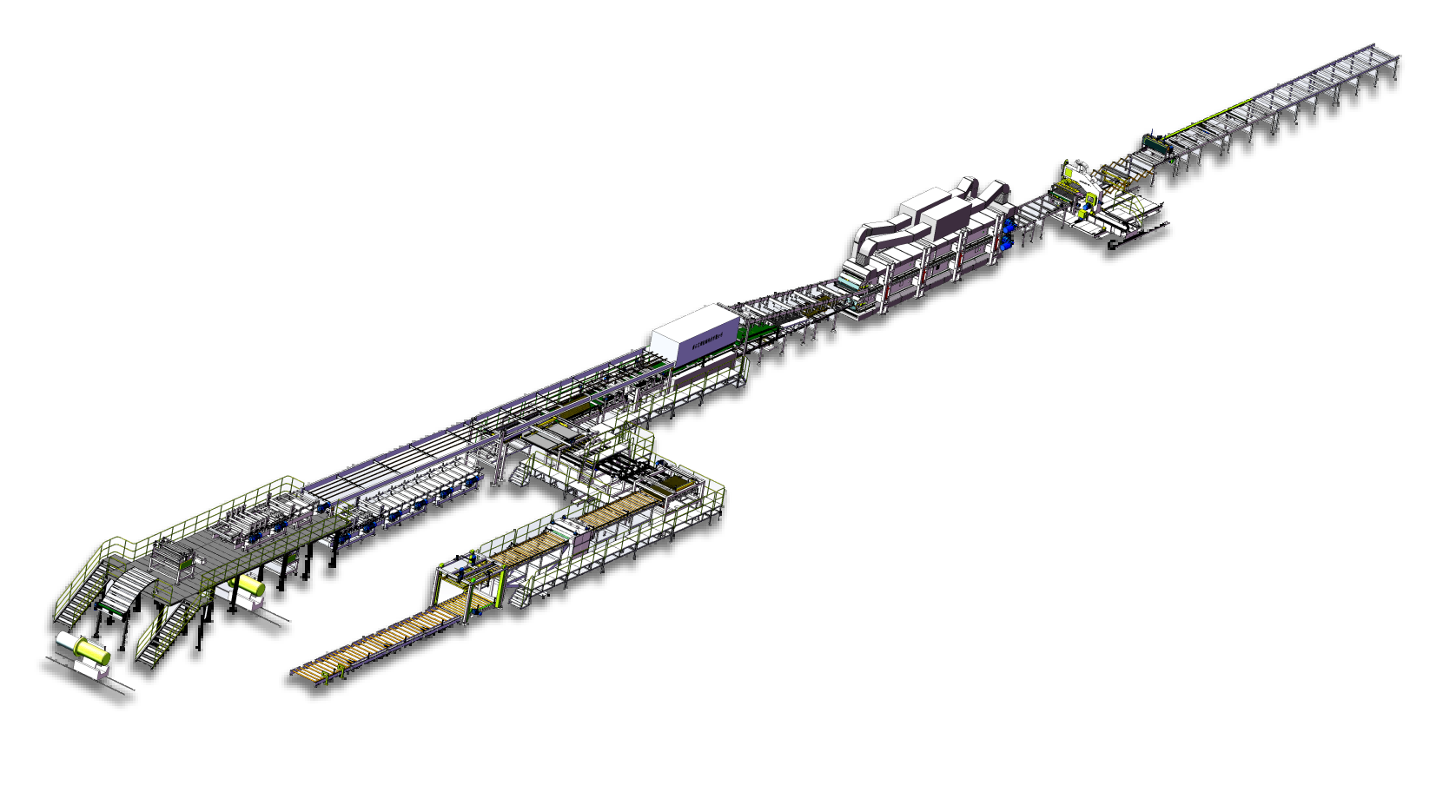
At the heart of these eco-friendly boards lies a production approach that treats waste not as an endpoint, but as a resource waiting to be repurposed. Instead of relying solely on virgin raw materials, the process integrates post-industrial scrap, reclaimed wood fibers, and even agricultural byproducts like rice husks or straw. By feeding these leftover streams back into the manufacturing cycle, the need for extracting new lumber drops significantly, relieving pressure on forests while keeping usable material out of landfills. The result is a board that performs comparably to conventional alternatives, yet carries a fraction of the environmental burden from cradle to gate.
Energy and water loops further tighten the operational footprint. Production facilities capture heat generated during pressing and curing, redirecting it to pre-dry incoming fibers or warm factory spaces, cutting overall fuel consumption. Closed-loop water systems filter and reuse process water multiple times before any discharge, dramatically reducing freshwater withdrawal. Even airborne particulates and dust are collected and compressed into auxiliary products or returned to the board core. These measures transform a traditionally resource-intensive process into one where waste and emissions become increasingly scarce.
What makes the model truly circular is its end-of-life vision. Boards are engineered for disassembly and material recovery rather than disposal. Many use biodegradable binders or simplified resin chemistry that allows fibers to be cleanly separated and reprocessed into new panels without quality loss. Take-back programs and partnerships with construction deconstruction networks ensure that once a building is retired, the boards don’t end up downcycled or burned, but re-enter the same production stream. This tightens the loop from product to raw material, moving beyond recycling into a regenerative cycle where yesterday’s board becomes tomorrow’s again.
Advanced Manufacturing That Cuts Carbon Without Compromise
Modern factories are shedding their smokestack image. By weaving renewable energy into production lines and embracing closed-loop systems, manufacturers are proving that efficiency and ecology can coexist. It's no longer about doing less harm—it's about designing processes that actively regenerate resources while maintaining razor-sharp output.
The real breakthrough lies in material science. Bio-based polymers, carbon-negative concrete, and precision fermentation now allow products to be built from captured emissions rather than fresh extraction. These aren't lab curiosities—they're hitting the factory floor, with cost curves that make traditional methods look outdated.
What seals the deal is the data layer. Smart sensors and AI orchestrate every kilowatt and raw input, slashing waste in real time. The result? A manufacturing ethos where decarbonization isn't a sacrifice but a competitive edge, delivering goods that are tougher, lighter, and cleaner by design.
Insulation Solutions Born from Recycled and Renewable Streams
Turning discarded materials into high-performance insulation is reshaping how we approach building efficiency. By harnessing fibers from recycled denim, plastic bottles, and even agricultural waste like straw or hemp, these solutions slash landfill burden without sacrificing thermal resistance. The process often uses minimal energy compared to virgin-material production, and the end products rival traditional options in R-value while adding breathability and moisture management. It’s a quiet revolution in walls and attics—where yesterday’s trash becomes tomorrow’s comfort.
Renewable streams bring another dimension: plant-based foams and cellulose derived from fast-growing crops or responsibly managed forests. These materials lock in carbon during their growth phase, effectively turning insulation into a carbon sink. Innovations now blend natural fibers with bio-based binders, achieving fire resistance and durability that once demanded petrochemicals. Installers notice the difference too—less itch, lower toxicity, and a job that feels cleaner from start to finish. The shift is as much about indoor health as it is about planetary boundaries.
What makes these materials stand out is their capacity to fit into existing building practices without forcing compromises. They’re not just niche alternatives; they’re becoming mainstream choices backed by rigorous testing and code approvals. From retrofits in historic homes to net-zero commercial projects, designers are rediscovering that performance and responsibility can coexist. The insulation industry is learning that waste isn’t waste until you stop seeing its potential—and that renewable sources offer a cycle of use that keeps giving back.
How Smarter Production Lines Are Quietly Reshaping Construction
It starts almost imperceptibly—a subtle shift in the rhythm of a construction site. Prefabricated wall panels arrive with embedded sensors, their wiring already tested and certified off-site. Components click into place with an ease that belies the complexity of their design, each piece birthed from a digital twin that has been stress-tested thousands of times before a single brick is laid. This isn’t a futuristic concept; it’s happening now, in factories where robotic arms weld, cut, and assemble with a consistency that weather-beaten hands can’t always match. The result is a quieter, cleaner, and far more precise way of building, though it often goes unnoticed by the casual observer.
Behind the scenes, the real transformation lies in the data threads weaving through each stage. Production lines are no longer just mechanical; they’re predictive. Algorithms analyze moisture levels in concrete, adjust curing times on the fly, and reroute materials to avoid bottlenecks before they happen. One factory might be crafting modular bathroom pods while simultaneously feeding real-time feedback to the architects tweaking the next project’s design. This quiet integration means fewer errors, less waste, and a drastic reduction in on-site surprises. It’s a gradual evolution that’s rewriting the rulebook, not with grand proclamations, but with steady, measurable improvement.
Perhaps most surprisingly, this shift is also redrawing the boundaries of labor and skill. Instead of replacing workers, these smarter lines are reshaping roles—welders become robot supervisors, carpenters transition to quality assurance for CNC-milled elements. The danger and drudgery of many traditional tasks are fading, replaced by a need for technicians who can interpret data streaks as fluently as they once read blueprints. It’s a quiet redefinition of what it means to work in construction, one that promises greater safety and less strain, even as it demands new kinds of expertise. The change is humming along, largely out of sight, but the structures it produces are silently testifying to its impact.
Future-Proofing Structures with Next-Gen Thermal Performance
Modern construction demands materials that don't just meet today's energy codes but anticipate tomorrow's tighter regulations. By embedding adaptive insulation and phase-change composites into building envelopes, structures can dynamically regulate heat flow—shedding excess warmth during heatwaves and sealing in comfort when temperatures plummet. This isn't about stacking thicker layers; it's about intelligent design that learns from each season, gradually slashing reliance on mechanical heating and cooling without sacrificing indoor air quality.
What makes these systems truly future-ready is their ability to integrate with evolving smart-grid ecosystems. Imagine a building skin that not only blocks thermal transfer but also communicates with weather forecasts and occupancy sensors to preemptively adjust its thermal mass. Such envelopes turn passive resistance into active management, flattening peak energy loads and extending the lifespan of HVAC equipment. The result is a structure that ages gracefully, its performance improving as algorithms refine and materials mature.
Long-term resilience also hinges on durability under climate stress. Next-gen thermal solutions utilize self-healing membranes and corrosion-resistant nano-coatings that maintain their insulative properties even after decades of UV exposure, freeze-thaw cycles, and moisture intrusion. By marrying passive survivability with renewable-ready infrastructure, these buildings don't just endure environmental swings—they thrive in them, offering owners a hedge against volatile energy prices and shifting regulatory landscapes.
FAQ
These lines integrate recycled and bio-based materials, drastically cutting carbon footprints while maintaining high thermal performance. They address both regulatory pressures and market demand for greener buildings.
Unlike traditional setups that often rely on petrochemical foams, eco-friendly lines use advanced extrusion or forming processes compatible with natural fibers, aerogels, and recycled content. They also feature closed-loop water and energy systems to minimize waste.
Absolutely. Innovations in material science enable these boards to achieve competitive or superior R-values, fire resistance, and durability. Many products are certified for demanding building codes while offering better moisture management and acoustic control.
Recycled denim, sheep's wool, cellulose from post-consumer paper, cork, hemp, and recycled EPS are popular. Some lines also handle mycelium composites or silica aerogel, each requiring specific handling and bonding techniques.
Automated dosing, precise temperature control, and AI-driven quality checks reduce raw material waste and energy use. Robotics can sort recycled feedstock more efficiently, ensuring consistent board density and cutting scrap rates significantly.
They enable the use of reclaimed materials and design boards for easy end-of-life recycling. Some lines can reprocess production waste back into the mix, closing the loop and supporting zero-waste manufacturing goals.
Beyond lower material costs when using recycled inputs, companies benefit from green building incentives, reduced carbon taxes, and stronger brand differentiation. Energy-efficient production also cuts operational expenses over time.
Conclusion
The building industry’s shift toward sustainability has spurred a quiet revolution in how we produce and think about insulation. Modern eco-friendly insulation board production lines are reimagining building envelopes by weaving together green technology and circular economy principles. Instead of relying on virgin petrochemicals, these facilities transform post-consumer plastics, agricultural waste, and renewable bio-based materials into high-performance boards. The process itself mimics natural cycles: scrap from cutting and trimming loops right back into the feedstock, while water and energy are captured and reused. It’s a production model that treats waste not as an end product but as a valuable resource, closing the loop from demolition debris to new construction materials. By designing for disassembly and recycling from the very start, manufacturers are ensuring that today’s insulation can become tomorrow’s raw material, drastically reducing the environmental footprint of buildings.
Behind this shift lies advanced manufacturing that cuts carbon emissions without sacrificing quality. Precision automation and AI-driven quality control allow these lines to churn out boards with consistently superior thermal resistance, often outperforming traditional options while using less energy per unit. The insulation solutions born from these lines are not only lightweight and easy to install but also deliver next-gen thermal performance that keeps buildings comfortable with minimal heating and cooling demand. Smarter production lines are quietly reshaping construction sites: thinner boards with higher R-values free up floor area, and moisture-resistant formulations enhance durability in any climate. As regulations tighten and net-zero targets loom, such innovations future-proof structures against both energy price swings and envelope failures. What was once a behind-the-scenes industrial process is now a driving force for more resilient, low-carbon buildings.
Contact Us
Contact Person: Sophia Jiang
Email: [email protected]
Tel/WhatsApp: +86 17367381818
Website: https://yzwelding.com/