

Enameling Machine Manufacturer: How to Choose the Right Partner for Your Production Line
2026-10-02
Choosing the right enameling machine manufacturer can make or break your production line—quality, uptime, and long-term support all hang in the balance. With so many suppliers claiming excellence, how do you separate the reliable from the risky? This guide cuts through the noise, giving you clear criteria to evaluate partners. And if you're ready to streamline your search, GRM has built its reputation on precision enameling solutions that keep lines moving. Let's dive into what truly matters.
Pin Down Your Line’s Actual Requirements Before You Talk to Anyone
Most people reach out to vendors, partners, or internal teams with a rough idea and then wonder why the conversation drifts. That drift costs you in two ways: you waste their time and you lose leverage. Before you send that first message, write down what the line must do, what it cannot do, and which trade-offs you are willing to accept. If you cannot put those in plain sentences, you are not ready to talk.
Be specific about constraints that are easy to ignore until they surface later. Does the line need to fit an existing shelf footprint, run on a certain voltage, meet a certification, or integrate with a legacy system you would rather not touch? List those as non-negotiables, not preferences. Then separate the nice-to-haves from the critical path. A supplier or stakeholder can sense when you have done this homework, and they will give you more accurate answers instead of generic promises.
The goal is not to script every question in advance. It is to know where your line ends and someone else's opinion begins. That clarity lets you push back on suggestions that do not match the requirements, and it keeps you from chasing a shiny option that breaks the budget or the timeline. Nail down the actual requirements first, and every later conversation becomes shorter, sharper, and far less frustrating.
Look Beyond the Spec Sheet for Engineering Depth
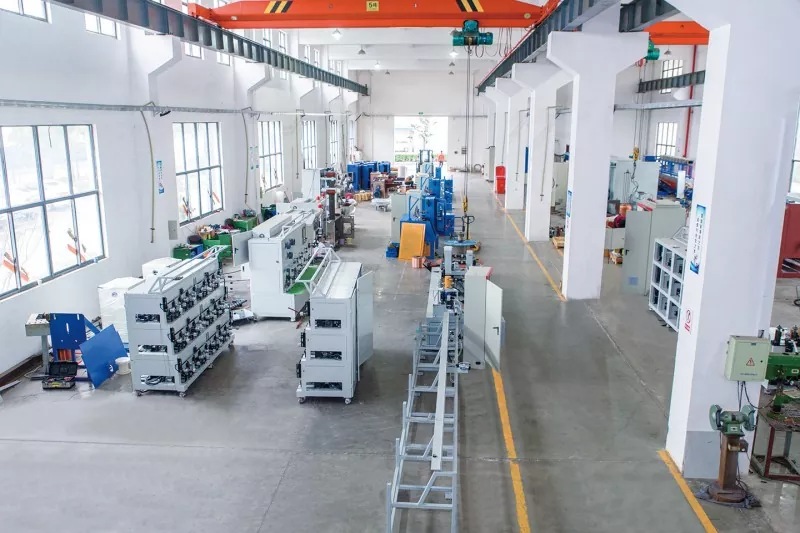
A thick catalog of numbers rarely tells you how a machine behaves when tolerances stack, thermal drift sets in, or a junior technician misroutes a cable. The real signs of engineering depth show up in less glamorous places: chamfered edges on castings that prevent stress risers, wire looms routed away from hot exhaust runners, and service points that don't require removing four unrelated assemblies. Those details don't headline a datasheet, but they define whether a product earns trust over years instead of months.
You can spot the difference by looking for design choices that prioritize failure containment over peak numbers. A well-engineered device often derates its headline component on purpose, leaves headroom in thermal pathways, or adds a sacrificial wear item that costs pennies and saves a day of downtime. If the documentation and field support quietly mention torque sequences, strain relief, and lifecycle testing, that's a stronger signal than any single performance figure.
Ask How They Handle Customization Without Slowing Delivery
Customization requests are notorious for quietly eating away at delivery timelines. When you ask how a team handles custom work without slowing things down, you're really checking whether they've built a system for it or just improvise each time. Listen for answers that separate core delivery from bespoke changes, like "we keep the standard build moving and route custom pieces to a parallel track" rather than "we'll make it work somehow."
A useful response will get specific about how they contain the impact. Maybe they use feature flags so custom work can be turned on without disrupting everyone else, or they reserve a fixed portion of each sprint for client-specific requests. The key word is "contained." If they claim customization never affects the main schedule, that's a red flag—either they're not doing much custom work or they're not being honest about the tradeoffs. What you want is a predictable, small ripple, not a silent tsunami.
Also pay attention to their scoping process. Strong teams will mention a quick triage step where each request gets sized and classified as either riding along with the next regular release or needing its own separate lane. They should be able to describe a recent case where a custom ask was handled without pushing back other commitments. If their answer stays vague or repeats "we're flexible," that's usually a sign they haven't actually solved this problem.
Verify Materials and Process Consistency on Real Runs
Real runs rarely behave like pilot batches. The same material spec can drift between suppliers, and a process that looked stable in trials often shows new variation once you're running full production shifts. Instead of assuming the approved recipe will hold, you need to log actual lot numbers, inspect incoming material before it reaches the line, and compare measured properties—viscosity, particle size, moisture content—against the baseline used during qualification. Small deviations here tend to compound later, so catching them early is cheaper than adjusting downstream.
On the process side, consistency comes from watching the right variables at the right frequency. Set up control charts for critical parameters like temperature, pressure, cycle time, and cooling rate, then review them after every real run, not just at the end of the week. If a parameter drifts within spec but consistently sits near the upper limit, treat that as a signal worth investigating. Pair this with periodic sampling of finished output to confirm that the material and process adjustments haven't changed the product's functional behavior.
Finally, document what actually happened during each run, including any manual overrides, tool changes, or unexpected stoppages. A clean batch record doesn't always mean a consistent process—sometimes it just means the recording wasn't detailed enough. Compare these records against the approved process window and flag any run where the operator had to compensate for material variation. That kind of pattern is often the first sign that your supplier or your process needs a tighter control loop.
Gauge Support After Installation, Not Just During Sales
The handshake at the close of a deal can feel like the finish line, but for the vendors that truly stick with you, it's only the starting gun. Too many companies pour their energy into the sales pitch, then vanish once the invoice clears. The real test emerges weeks or months later, when a configuration hiccup stalls a rollout or a subtle integration bug quietly eats away at productivity. That's when you learn whether the support team is a genuine extension of the product or just a queue of scripted replies.
Dig into the support model before you sign anything. Ask for the average response time after the first month — not the shiny trial period. Find out if the same people who onboard you will handle your future tickets, or if you'll be handed off to a rotating cast of strangers. Look for vendors who proactively check in after deployment, who treat a quiet system not as a job done but as a chance to ask, "What nearly broke this week?" Those are the teams that fix small cracks before they become outages.
A healthy post-installation relationship also means the vendor owns their learning curve. Watch how they handle a bug you discover: do they argue, deflect, or quietly ship a patch and then explain what they changed? The best partners make support feel less like a help desk and more like a shared engineering bench, where your pain becomes their backlog item. When that dynamic is in place, you're not just buying a tool — you're gaining a team that has a stake in your uptime.
Compare Total Cost of Ownership Across Shortlisted Partners
Price tags rarely tell the whole story. A partner quoting a lower upfront fee might offset it with hidden charges for revisions, onboarding support, or data migration. Conversely, a slightly higher initial quote can translate into fewer headaches down the road if the partner bundles maintenance, training, and responsive troubleshooting into the agreement. When comparing total cost of ownership, map out every expected expense over the full engagement period: setup costs, licensing fees, hourly rates for out-of-scope work, and any penalties for early termination or delayed delivery.
Beyond the contractual line items, factor in the effort your internal team will need to invest. A partner with a steep learning curve or poor documentation can drain hours from your staff, inflating the real cost far beyond the invoice. Ask each shortlisted partner to break down their pricing model with concrete examples, such as the cost to implement a typical feature or resolve a critical bug. This exercise often reveals that the cheapest proposal carries the highest hidden overhead.
Finally, weigh the indirect costs tied to reliability and scalability. A partner that frequently misses deadlines or requires constant oversight can stall your project and drive up opportunity costs. Check references for patterns of budget overruns or scope creep, and clarify how change requests are billed. The goal is not to pick the lowest number on paper, but the option that delivers the most predictable and sustainable value for your specific context.
FAQ
Look beyond years in business. Ask for examples of lines they have built for products similar to yours, and pay attention to how they handled challenges like coating thickness consistency or curved parts. A manufacturer that openly discusses past problem-solving is often more reliable than one that only shows perfect case studies.
It matters more than most people realize. Standard machines rarely fit real production floors without some adjustment. The right partner will ask about your part geometry, throughput goals, and current bottlenecks before recommending anything.
Yes, and they should. Different substrates and end-use environments require different frit compositions and application methods. A knowledgeable partner will guide you through viscosity, particle size, and firing temperature trade-offs rather than leaving you to guess.
It can make or break your uptime. Check whether they offer on-site training, spare parts availability, and remote diagnostics. Ask how quickly they respond when a line goes down, because every hour of downtime cuts into your output.
If possible, yes. Seeing their assembly process, testing procedures, and even how they organize their own workshop tells you a lot about their standards. A manufacturer that hesitates to let you visit may be hiding inconsistencies.
Factor in energy consumption, maintenance frequency, expected lifespan of wear parts like spray guns or dipping tanks, and the cost of consumables. A cheaper line that needs frequent recalibration or uses more power can end up costing far more over five years.
Focus on the ones that directly affect your product quality: temperature uniformity in the curing oven, transfer speed consistency, and the precision of coating thickness control. Don't get distracted by flashy features that you will never use.
It depends on your support needs and timeline. Local manufacturers may offer faster on-site service, while international ones might bring broader experience with specialized enameling processes. Weigh communication ease, travel costs for technicians, and lead times for spare parts.
Conclusion
Choosing an enameling machine manufacturer starts long before you pick up the phone. Get clear on your line's actual requirements—substrate, throughput, coating thickness, energy constraints—because a partner who asks hard questions early will save you from rework later. Once you have that baseline, don't be seduced by glossy spec sheets; dig into how the engineering team solves real problems like heat distribution, wire tension, or oven zoning. A strong manufacturer will walk you through their design logic and past failure modes, not just list wattages. Customization is inevitable, but it shouldn't mean endless delays: the right partner will have modular designs, proven retrofit paths, and an internal process to adapt without derailing your timeline. Ask for examples of similar modifications and the actual lead time impact.
Before signing, insist on seeing the machine run your material, not a demo reel. Real-run trials expose inconsistencies in coating adhesion, cure temperature drift, or speed limitations that a polished brochure hides. Check how they source and test raw components—furnace linings, rollers, control systems—and whether they track process parameters across batches. After installation matters just as much: a good manufacturer will offer commissioning support, operator training, and remote diagnostics, not disappear after the invoice clears. Finally, compare total cost of ownership across shortlisted partners. Energy consumption per unit, maintenance intervals, spare parts availability, and expected lifespan often dwarf the initial price difference. The right choice is rarely the cheapest quote; it's the one that keeps your line productive and predictable for years.
Contact Us
Contact Person: Rayna
Email: [email protected]
Tel/WhatsApp: 86 -173 1474 6343
Website: https://www.grmrollingmill.com/