

Event RFID Wristband Factory: What to Look for Before Placing a Bulk Order
2026-09-02
Ordering RFID wristbands in bulk for an event isn’t just about finding the cheapest factory—it’s about avoiding the expensive mistakes that surface on event day. Chip read range, wristband material, custom logo durability, and even the factory’s quality control process can make or break your entry flow. Before you sign that purchase order, it pays to know exactly what separates a dependable supplier from a costly gamble. At BAOBI, we’ve helped event organizers cut through the noise and choose wristbands that actually perform under pressure. Here’s what to look for before placing your bulk order.
Durability Testing Before You Commit to a Bulk Order
Placing a large order without first putting samples through real-world wear and tear is a gamble that rarely pays off. Durability testing isn't about lab reports and technical jargon—it's about simulating the everyday abuse your product will face once it leaves your hands. Toss it, drop it, stretch it, leave it in the sun, run it through a hundred wash cycles. If a prototype or small batch can't survive that kind of treatment, a full container load won't magically perform better.
The smartest buyers look beyond the shiny surface and ask how the product holds up under repeated stress. For textiles, check seam strength after multiple washes and colorfastness under UV exposure. For hard goods, test impact resistance at different temperatures and inspect for micro-cracks after flexing. Don't rely solely on the manufacturer's word—request pre-production samples, then conduct your own side-by-side torture tests. Compare them against your current bestseller or a competitor's product to see where the weak points emerge.
Remember that durability is a relative term. A product that lasts five years in a mild climate might fail within six months in coastal humidity or extreme cold. Define the specific conditions your end user will encounter, then test accordingly. If the supplier can't replicate those conditions in their facility, ask for a third-party test report or send samples to an independent lab. Spending a few hundred dollars on testing before a bulk order is far cheaper than managing returns, replacements, and a damaged reputation after the fact.
The Real Difference Between Silicone, Fabric, and Vinyl Wristbands
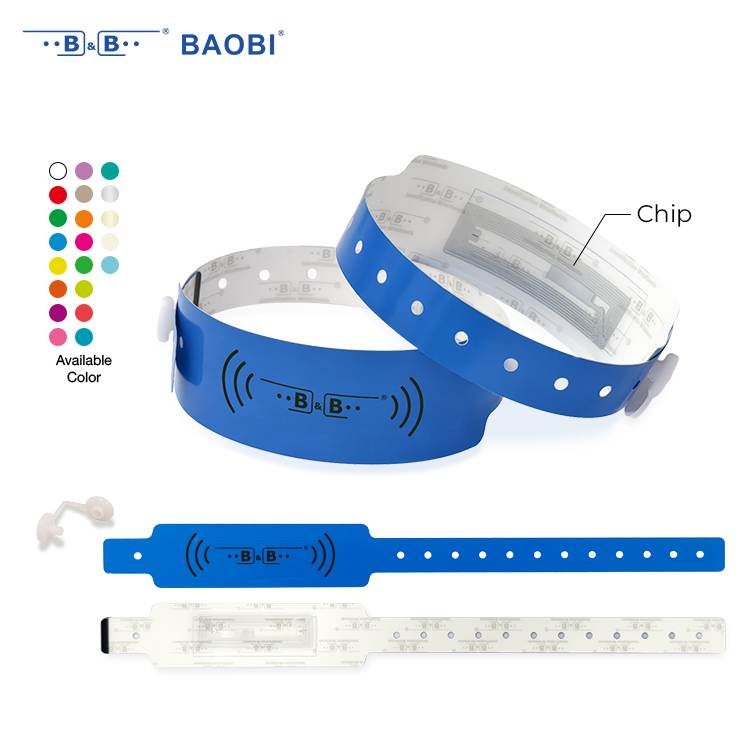
Silicone wristbands are thick and slightly stretchy, built to shrug off daily knocks without fraying or fading. They take debossed or printed details well, but the matte, rubbery surface has a habit of grabbing lint, and over the years the colors can lose a bit of their punch. Fabric wristbands feel closer to clothing—soft, breathable, and comfortable in warm weather. They handle woven patterns and full-color dye beautifully. The downside is that edges eventually wear and repeated washing leaves them looking a little tired, so they’re often better for short events or as keepsakes than for everyday rough use.
Vinyl sits between the two, leaning toward a glossy plastic look. It’s thinner and less flexible than silicone, which makes it feel lighter and slightly less durable in hand, but it prints bright, high-contrast logos and names cleanly. With regular flexing, vinyl can crack near stress points and the shiny finish dulls from abrasion. For something that survives workouts, showers, and constant wear, silicone is the safer bet. For comfort and a soft, woven appearance, fabric wins. Vinyl makes sense when you want bold visuals on a budget and don’t expect the band to last for years.
How to Verify Chip Encoding Without a Tech Background
Many people assume verifying chip encoding requires special gear or an engineering degree, but a lot can be done with a magnifying glass, good lighting, and a little patience. Start by finding the printed code on the chip’s surface. It usually appears as a short string of letters and numbers, sometimes next to a manufacturer logo. Write down exactly what you see, including dots or unusual fonts, because even tiny differences can change what the chip actually is.
Next, grab your phone and use macro mode or a cheap clip-on lens to take a clear, zoomed-in photo. This makes faded or laser-etched markings much easier to read. If the chip is still attached to a board, check the surrounding area for printed labels or silkscreen text that might list a part number. Those board markings can give you a useful reference without needing to decode the chip yourself.
Finally, compare the code you found against the manufacturer’s datasheet or a basic part-number lookup tool. You don’t need to understand electronics jargon—just match the characters one by one. If you’re still unsure, take your photo and notes to a local electronics repair shop or a hobbyist group. A second pair of eyes from someone who works with chips regularly can quickly confirm whether the encoding lines up with what the chip should be.
Why Lead Times Vary More Than You Expect
Most lead time estimates are built on ideal conditions, but actual production rarely follows a straight line. Raw material arrivals slip, equipment needs unscheduled maintenance, and a simple quality check can uncover issues that send a batch back for rework. Each small delay stacks on top of the previous one, so a supplier's initial promise often drifts further from reality as the order moves through different stages.
Batching and priority shifts also play an outsized role. Manufacturers frequently group similar orders to reduce setup time, which means a smaller or less urgent order can get pushed behind a larger one. When a major client asks for a rush job or a machine goes down, the entire schedule gets reshuffled. Your delivery date is not just about your order; it is about where your order sits in a constantly changing queue.
Shipping and customs add another layer of unpredictability that no factory fully controls. Port congestion, weather disruptions, inspection holds, and last-mile bottlenecks all eat into the timeline. Meanwhile, demand swings travel upstream and cause suppliers to add safety buffers, which ironically makes lead times even more volatile. So when a delivery date slips, it is rarely a single failure—it is the whole chain reacting to pressure.
Hidden Costs That Inflate Your Wristband Budget
Most buyers stop at the unit price when comparing wristbands, but that number rarely tells the whole story. Setup fees, digitizing charges for custom logos, and color-matching surcharges can quietly add 20–40% to your invoice before a single band is produced. If your design includes multiple ink colors or requires precise PMS matching, the per-band cost climbs fast. Even the clasp style matters: a basic plastic buckle is cheap, but switching to a metal slider or a locking mechanism often triggers separate tooling expenses.
Shipping and handling are another quiet budget killer, especially for event orders with tight deadlines. Rush production fees, split shipments to multiple venues, and overnight delivery can double your logistics spend. Some vendors also charge storage or inventory holding fees if you order early but need staggered delivery dates. And don't overlook the small stuff: individual polybagging, barcode labels, or custom packaging inserts are usually priced per unit and can inflate the total well beyond the quoted base rate.
Finally, reorder pitfalls can make a supposedly affordable wristband program cost far more than expected. If you run short and need a quick top-up, you may lose volume discounts and pay premium per-unit pricing on a tiny batch. Artwork changes, even minor ones like updating a date or sponsor logo, often trigger new setup charges. Skimping on quality to save upfront can backfire too—cheap bands that snap or fade lead to replacements, refunds, and double fulfillment, turning a bargain into a recurring expense.
What a Factory Audit Reveals That Samples Can't
A product sample can look flawless on your desk, but it tells you almost nothing about the environment where it was made. A factory audit walks the production floor, checks the maintenance logs, and watches how raw materials are actually stored. You might spot rust on a stitching machine or a pile of uncured rubber sitting in direct sunlight—issues that never show up in a polished prototype.
Samples are often produced under ideal conditions, sometimes with extra care and better inputs. The audit exposes the gap between that controlled run and the chaos of daily production. One facility we visited handed us a perfect sample, but the line workers were using uncalibrated scales and bypassing a final inspection step when orders ran late. The sample hid the real risk: inconsistent batches shipped to your customers.
Beyond the machines and processes, an audit reveals how management handles problems. You see whether defects are logged and fixed or quietly swept aside. You learn if the factory is willing to switch suppliers to meet your specs or if they just nod and keep doing what they've always done. That kind of insight only comes from standing in the building, not from unwrapping a box.
FAQ
Ask for their daily output and whether they can scale up if your event date shifts. A factory that only handles small runs may stall when you need 50,000 units in three weeks. Also confirm they’re not outsourcing the RFID chip embedding—you want the same team handling lamination and chip placement to avoid mismatched tolerances.
Bring your reader specifications to the conversation early. Factories often stock generic HF or UHF chips, but your system may require a specific protocol like Mifare Ultralight or NTAG213. Request a sample batch encoded with your test data and scan them with your actual gate hardware before signing off.
Silicone or woven fabric bands tend to survive sweat, rain, and sunscreen better than paper or PVC. If you need cheap but durable, ask for a laminated Tyvek core with a waterproof top layer. But be skeptical of waterproof claims—ask them to send a band you can soak overnight and still scan the next morning.
Many factories quote a unit price that includes one-color logo printing, but multi-color or full-color edge-to-edge art often triggers a plate or setup fee. Ask for a line-item breakdown: chip cost, band material, printing plates, and any per-color charges. That way you aren’t surprised when your five-color design adds 12 cents per band.
For 10,000 to 50,000 bands with standard chips, expect 3 to 5 weeks from artwork approval to delivery. Custom chip encoding or unusual shapes can push that to 6 or 8 weeks. If the factory promises 7 days, that’s a red flag unless they’re holding pre-made stock—ask for proof.
Don’t rely on the factory’s own QC report. Order 20 to 50 sample bands with your actual design and chip encoding, then run them through your entry gates, phone readers, and even a washing machine if the event involves water. A sample order costs more per unit but saves you from 50,000 unreadable wristbands.
If you’re linking wristbands to attendee data or cashless payments, ask whether chip data is encrypted and if unique IDs can be locked after encoding. The factory should also wipe or certify destruction of any leftover encoded chips. Avoid factories that treat your attendee data as an afterthought.
Location matters less than the factory’s actual chip sourcing and assembly line. A Chinese factory might offer lower prices but longer shipping and customs delays; a domestic one may cost more but let you visit the floor. Ask for their chip supplier’s name and whether they can provide a certificate of origin for customs clearance.
Conclusion
Ordering event RFID wristbands in bulk often goes wrong when buyers skip the unglamorous checks. Before committing, ask for real durability tests—flex the band, soak it, yank the clasp—because a sample that survives your desk won't necessarily survive three days of sweat and dancing. Material matters more than looks: silicone handles water and rough handling but costs more, fabric feels premium yet snags and holds moisture, vinyl is cheap but cracks under heat. Don't guess; request cut strips or aged samples from the factory.
Chip encoding is another quiet failure point. You don't need code skills—just request a demo scan video or a test batch of ten wristbands pre-encoded with your actual data. Lead times swing wildly because factories juggle chip shortages, holiday shutdowns, and customs holds; a promised twenty days can silently become forty. Budget for hidden costs too: tooling fees, encoding charges, freight surcharges, and the rework cost if a batch arrives dead. Finally, a factory audit tells you what samples can't—whether the same people actually build your order, whether machines are calibrated, and whether quality control exists beyond a sticker on the box. One on-site visit or third-party inspection can save a failed event.
Contact Us
Contact Person: Bill Xu
Email: [email protected]
Tel/WhatsApp: 8618688898707
Website: https://www.baobitech.com/