

Flower Materials Manufacturer Shares Expert Advice on Choosing Quality Floral Supplies
2026-10-12
Not all floral supplies are created equal—if you've ever had foam crumble mid-design or wire kink at the first bend, you already know the frustration. PHLEEYA, a flower materials manufacturer with hands-on experience across the supply chain, shares what truly separates dependable materials from the ones that quietly sabotage your work. Here's their expert, no-nonsense advice for choosing quality floral supplies—so your next arrangement starts strong and stays that way.
Run Your Thumb Along the Stem: What to Feel For
Fresh stems won’t lie to you. When you run your thumb from base to tip, you’re checking for a clean, barely damp surface that gives just slightly under pressure but never feels spongy. A young stalk will often have tiny, firm ridges you can detect with your nail.
If the stem feels slick or leaves a sticky film on your skin, put it back. That’s a sign the plant has been stressed or sitting around too long. You also don’t want any soft spots near the cut end—those go mushy fast once they hit water or heat.
A good stem should spring back when you press it with your thumb, not stay dented. That little bit of resistance tells you the cells are still full of moisture and the structure hasn’t started breaking down.
Why Floral Foam Weight Tells You More Than the Label
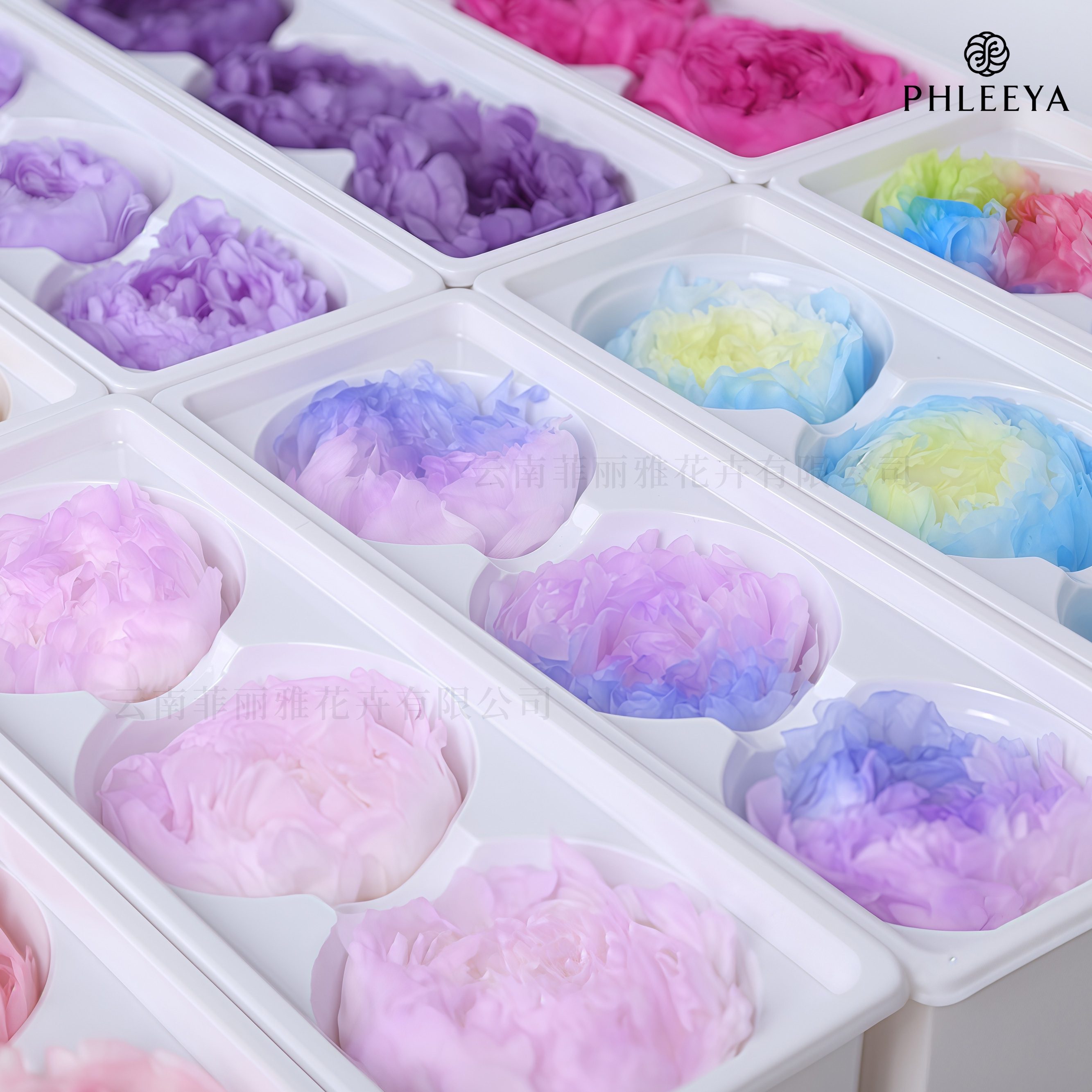
A foam brick that feels dense in your hand usually predicts how well it will behave once saturated. Heavier floral foam tends to have finer cell structure, which pulls water upward more evenly and grips stems without cracking. If a block is suspiciously light, expect it to dry out in patches and crumble when you reposition greenery.
The label might list dimensions and color, but it rarely mentions polymer density or open-cell ratio. That gap is why experienced florists rely on weight as a quick quality check. Two bricks identical in size can hold vastly different amounts of water, and the one with more heft will consistently outlast the lighter version in arrangements that need to stay fresh for days.
The Twist Test for Floral Wire That Saves Hours Later
Before you reach for that spool of floral wire, give it a quick twist between your thumb and forefinger. A decent wire will bend smoothly without snapping or cracking at the coating. If it feels brittle, resists the twist, or shows tiny fractures along the surface, set it aside. That five-second check tells you whether the wire will hold a stem in place or give out halfway through an arrangement.
Pay attention to how the wire behaves after the twist. Good floral wire springs back just enough to keep its shape without turning into a loose coil. The coating should stay intact, not peel away from the core. Different gauges respond differently, so don’t expect a fine 26-gauge to handle the same torque as a heavy 18-gauge. The point is to catch weak spots before they wind up buried inside a bouquet or centerpiece.
Skipping this test often means redoing mechanics later, which eats up time you don’t have during setup. A snapped wire inside a wired boutonniere or a sagging arch decoration can force you to tear apart finished work. By twisting a few inches of wire when you open the package, you’ll know exactly what you’re working with and avoid those last-minute fixes.
How to Spot Uneven Dye Jobs Before They Ruin a Display
Check under multiple light sources before committing. A dye lot that looks uniform under warm store lighting can reveal streaks or blotches in daylight or cool LED. Place the fabric or garment near a window, then under the fixture you plan to use. Rotate it slowly and watch for color shifts along seams, folds, or edges.
Compare the item against a known-good sample from the same batch. Hold them side by side on a neutral white or gray background. Look for subtle banding, lighter patches near hems, or darker pooling in textured areas. If you're working with multiple units, scan the stack edge-on to catch variations that disappear when pieces are viewed individually.
For displays with exposed edges or wrapped panels, check the dye penetration. Cut a small hidden swatch if possible and examine the cross-section. Uneven uptake often shows as a pale core or inconsistent color near the surface. If the material will be backlit or stretched, test how the color behaves under those conditions before installation.
Why Thicker Wrapping Paper Isn't Always the Safer Bet
Most people reach for the heaviest roll on the shelf assuming it will survive the journey under a bed or across the country. Yet paper thickness often works against you once you start folding. A dense, rigid sheet resists crisp creases and can split along the edges of a box, especially at the corners where the material is pulled tight. That stiff feel in your hands transmits extra stress to any weak point, turning a simple wrap job into a patchwork of tape.
What actually matters is fiber length and how the paper is calendered, not just its weight per square meter. A lighter sheet with longer fibers can stretch slightly and settle into folds without tearing, while a thick, short-fiber paper may snap under the same pressure. So before you assume the pricier, thicker option is the safer one, try a test fold on the roll you're considering—if it creases easily without whitening at the fold line, it's likely more forgiving than its bulkier counterpart.
The Storage Trick That Keeps Bulk Foliage From Turning Yellow
Most yellowing in bulk foliage starts with trapped ethylene or excess moisture, not age. The storage trick that actually works is to separate bunches immediately after arrival and let them breathe in a cool, dark spot before wrapping. If you stack unopened boxes or leave stems in tight sleeves, the ethylene builds up and pushes leaves into premature aging.
Once the foliage has aired out, roll the stems loosely in damp newspaper, slide the bundle into a perforated produce bag, and keep it in the crisper drawer at about 38°F. Don't mist the leaves themselves; that extra surface moisture invites rot and speeds up the yellowing you're trying to avoid. For leafy greens like salal or ruscus, a loose paper wrap works better than plastic because it balances humidity without suffocating the stems.
Check every couple of days and remove any leaf that starts to turn, as one yellowing stem can release enough ethylene to trigger the rest. This small routine keeps bulk foliage green far longer than simply leaving it in the cooler.
FAQ
Give the wire a few gentle bends. If it keeps its shape without snapping or feeling brittle, it's likely good quality. Also check the coating—cheap paper-coated wire frays after one use, while a smooth enamel or cloth finish will survive multiple adjustments.
Squeeze the foam lightly in its package—good foam springs back instead of crushing flat. It should also absorb water quickly and evenly when you set it in a basin, with no dry spots after a minute or two. If it floats for ages without sinking, it's probably too dense or old.
Absolutely. Look for tape that stretches slightly when you pull it and feels slightly tacky against itself, not like office tape. Cheap tape either doesn't stick well or leaves a gummy residue on stems. If you're working with real flowers, choose a tape that matches the stem color instead of settling for bright green every time.
Check the edges of petals and leaves—if they're already fraying or have visible glue strings, that's a sign of rushed production. Good silk flowers usually have hand-painted details or subtle color variations on the petals, not one flat color. Also bend the stem: a quality stem will hold its curve, while a cheap one will kink or snap.
Forget the thin wooden picks—they snap under weight. Opt for steel or heavy-gauge aluminum stakes with a rubber or plastic coating. If you're working with something like calla lilies or sunflowers, test the stake by holding it horizontally with the flower attached; it shouldn't droop more than a few degrees before you place it in foam or a vase.
Instead of traditional plastic foam, try using chicken wire, moss, or reusable flower frogs. For tape, look for biodegradable paper tape or wrap stems with twine. If you need wire, choose uncoated aluminum or copper wire—they can be recycled after use and don't shed plastic into the compost when you discard stems.
Ask how they store their foam and whether they use UV inhibitors in their silk flowers. Request a small sample before placing a large order, and ask about their return policy if colors don't match expectations. Also ask if they can provide a material breakdown—reputable manufacturers won't hide the difference between PE and PVC silk petals.
Look for stems that still have some flexibility—too brittle means they were overdried or bleached aggressively. Shake the stem gently over a white paper; if you see more than a tiny dusting of petals or seeds, the batch wasn't stabilized properly. Also check that the colors don't transfer onto your fingers when you rub a petal lightly.
Conclusion
A floral materials manufacturer would tell you to trust your hands before your eyes. Run your thumb down a stem—if it feels slick or overly smooth, that's often a sign of weak cell structure or early decay, while a slightly rough, firm texture indicates the stem can hold water and stay upright. The same goes for floral foam: heavier doesn't always mean better, but picking up two bricks of the same size and choosing the denser one usually means it will grip stems tighter and hydrate more evenly, regardless of what the label claims. And don't skip the twist test on floral wire—bend it back and forth a few times. If it snaps quickly, it'll cost you hours later when arrangements need reshaping; good wire should twist several times before breaking, giving you flexibility without losing its hold.
Uneven dye jobs are easier to catch in natural light. Look along the petal edges and the base of the bloom for darker patches or streaks that don't belong—these flaws become glaring once the flowers are arranged under shop lights. When it comes to wrapping paper, many people assume thicker sheets offer more protection, but a stiff, heavy paper can actually crush delicate petals and make wrapping more difficult. A medium-weight, slightly textured paper often folds cleaner and breathes better. Finally, keep bulk foliage from yellowing by storing it loosely in a cool, dark space with the stems in a few inches of water, but never overcrowd the buckets. Air circulation is as important as temperature, and a simple fan on low can prevent the ethylene buildup that turns leaves yellow.
Contact Us
Contact Person: Mr. Luo
Email: [email protected]
Tel/WhatsApp: 86 18100895505
Website: https://www.feiliyaflowers.com/en/