

Forged Steel Globe Valve Exporters: A Buyer’s Guide to Quality and Reliability
2026-11-18
A low bid on forged steel globe valves can quickly become the most expensive decision in your supply chain. The gap between a reliable exporter and a costly one often hides in material traceability, pressure testing, and post-delivery accountability—not in polished spec sheets. This guide maps out the practical checks that matter, drawing on real sourcing experience from CRXV so you can buy with clearer criteria and fewer surprises.
Where the Forging Starts and Why It Changes Everything
Most people assume a forge comes alive when the hammer drops, but the real beginning happens earlier, in the way the steel is brought to heat and read. There is a narrow window where the surface shifts from dull grey to a deep straw, then to a soft orange that seems to move under the scale. That moment tells you more about the metal than any spec sheet: whether it will stretch without splitting, whether it will hold an edge, and how much work it still needs before the first blow lands.
The first solid strike is rarely the loudest, but it sets the direction for everything that follows. Instead of simply flattening the surface, that blow starts rearranging the grain structure inside the bar. Voids close, inclusions elongate, and the flow lines begin to run with the shape rather than against it. Once that internal pattern is established, every later heat and hammer pass either reinforces it or fights it.
That is why this stage changes everything. A machined part cuts across the grain and leaves those lines exposed, while a forged part bends them into the contours where stress will actually travel. The difference shows up in fatigue life, in how a component fails, and in how much material you can remove before the part loses its nerve. Getting the start wrong means spending the rest of the process correcting a flaw that was already written into the metal.
Heat Codes, Traceability, and the Paper Trail That Actually Matters
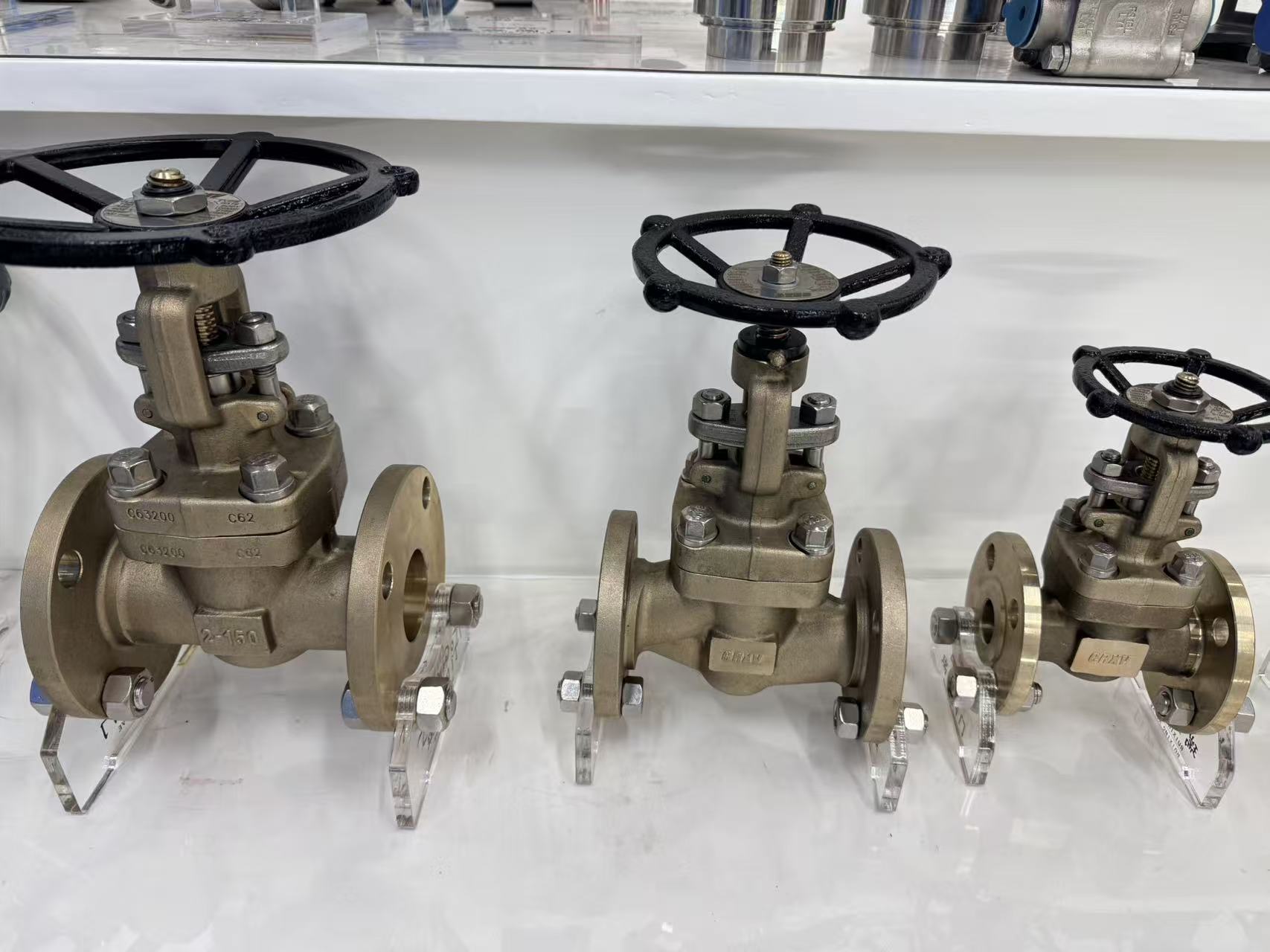
A heat code sounds like warehouse shorthand until you need it. On a quiet afternoon, the difference between a batch that left the floor in March and one that sat curing through a humid July can mean a failed seam, a warranty claim, or a recall notice that should have been a phone call. The code itself is rarely impressive—a mix of digits, a furnace number, a date stamp—but it carries the memory of the material. When someone records it carefully, they are not just filling in a box; they are preserving the exact conditions under which a thing became itself.
The paper trail matters because memory does not survive turnover. Operators move on, spreadsheets get overwritten, and the person who knew which supplier delivered the off-spec coil may be gone by the time anyone asks the question. That trail, whether it lives in a binder with greased fingerprints or a folder nobody opens until something breaks, is what allows a company to walk backward from a finished part to a single ladle of metal. It turns blame into understanding, and guesswork into a repeatable path.
Traceability often gets treated as a compliance chore, but the useful version is built around stories, not just numbers. A good record tells you not only that the material passed, but what the weather was doing that week, who adjusted the line, and why a note was scratched in the margin. Those details rarely make it into a dashboard. Yet when a failure happens, they are the only things that let a team reconstruct the truth without inventing one.
Soft Seats, Hard Service: Matching Trim to Real Operating Conditions
Soft seats look good on a showroom tag, but the real question is what happens after fourteen-hour shifts, mud, coffee spills, and sliding in and out with tools in back pockets. Upholstery that feels plush at first often breaks down exactly where operators need it to hold up: bolsters, seams, and the driver-side edge.
Matching trim to actual operating conditions means ignoring the showroom hand feel and paying attention to failure patterns. A vinyl or heavy-duty woven fabric with reinforced stitching may feel firmer on day one, but it stays predictable over thousands of cycles. For mixed environments—dust, moisture, frequent disinfection—closed-cell surfaces and sealed seams usually outlast softer, open-weave alternatives.
That does not mean the seat has to be punishing. The goal is to separate surface material from cushioning. A denser foam or suspension base can still provide support, while the trim handles wear, UV, and cleaning chemicals without cracking or staining. Spec the surface for the job site, not the test drive.
Pressure Boundaries That Get Tested, Not Just Promised
Most brands talk about pushing limits until a deadline actually arrives. Then the real conversation starts: what gets cut, who gets an exception, and which promises quietly dissolve. The boundaries worth having are the ones that survive contact with a bad week, a tight budget, or a client who asks for one small thing that isn't small at all. Those moments reveal whether a pressure boundary was engineered for the stage or the floor.
We test ours by deliberately slowing down when the schedule speeds up. Instead of announcing another policy, we watch where people flinch first. Does the team still refuse to ship without a security review on day five of a crunch? Does the support line still hold its no-blame debrief after a public failure? These are not abstract values. They are load-bearing habits, and the only way to know if they hold is to stand on them while everything else shakes.
That is the difference between a boundary you advertise and one you occupy. A promised limit sounds good in a kickoff meeting. A tested one has scuff marks, a repair log, and a list of times it nearly broke but didn't. That history is what makes it trustworthy. Not the slide deck, not the mission statement, just the accumulated evidence that when pressure arrived, the line stayed where it was drawn.
Export Partners Who Understand Local Codes and On-Site Realities
Exporting isn't just about moving goods across borders—it's about knowing how things actually work on the ground once the shipment arrives. A partner who understands local codes means fewer surprises at customs, less time stuck in bureaucratic loops, and no last-minute calls asking for a document you were never told about. They know which inspections are routine, which permits need a local signature, and which rules get enforced differently depending on the port, the season, or even the inspector on duty.
On-site realities matter just as much. A warehouse that looks fine on paper might have loading docks too narrow for standard pallets, or a receiving team that only accepts deliveries before noon. Local partners who are physically present can flag these issues before they become costly delays. They understand that a holiday in one region doesn't stop work in another, that some roads become impassable after rain, and that a handshake with the right warehouse supervisor can move your cargo faster than any official channel.
That's why we value partners who don't just know the regulations but have spent years navigating them in practice. They bring a level of predictability to markets where the official rulebook and the real workflow rarely match. When problems arise—and they will—these are the people who already know which gate to call, what paperwork to reissue, and how to explain the delay without making it worse. It's not about cutting corners; it's about knowing which corner the system actually uses.
Signs a Valve Will Still Be Reliable Five Years After Installation
A valve that still opens and closes with the same effort as the day it was installed is telling you something. There is no grit binding the stem, no hidden scale inside the body, and the packing has not collapsed into a hardened ring. When the handwheel or actuator does not fight back, the internals are likely still aligned and the stem finish has not been chewed up by friction. That consistent feel is easy to overlook, but it is one of the clearest early indicators the unit will keep working.
Look around the stuffing box and bonnet joint. A reliable five-year-old valve should be dry at those seams, or show only a faint, stable stain from an old adjustment. Fresh weeping, crusty deposits, or green and white buildup around the bolts usually means the sealing surfaces are starting to lose their grip. If the fasteners still look clean and the body coating is intact apart from normal scuffs, the pressure boundary has not been compromised by external corrosion.
Listen to it work. A valve that seats tightly without a grinding sound, and does not chatter or hiss when it is cracked open, still has decent mating surfaces. The maintenance history matters as well: if the last few inspection rounds found no rise in operating torque, no need to repack, and no new leaks after cycling, the valve has passed more than just time. It has held its geometry under real conditions, which is a better predictor of future behavior than age alone.
FAQ
A dependable exporter can trace every heat number back to the mill, keeps internal test records for each batch, and knows when to raise concerns about material or pressure ratings instead of simply accepting an order. A transactional supplier tends to focus on price and shipping date while leaving quality verification entirely to the buyer.
For standard high-pressure steam lines, ASTM A105 is common, but elevated temperatures often call for ASTM A182 F22 or F91 if creep resistance matters. In sour service, confirm that the material meets NACE MR0175 requirements rather than assuming a standard carbon steel forging will hold up.
Ask for heat number traceability from the forging to the final valve, independent or witnessed test reports, and photos or videos of pressure testing. A genuine exporter will also be able to explain their incoming inspection process, not just repeat that the factory has ISO 9001.
Look for shell and seat tests following API 598, with clear pass criteria for hydrostatic or pneumatic testing. The exporter should state test duration, pressure values, and how seat leakage is checked. If they hesitate to provide a detailed test certificate, treat that as a warning sign.
Basic shell tests only prove the valve does not leak under static pressure. In throttling service, repeated partial opening can erode the seating faces, expose misaligned stems, or wear down an undersized disc. Without proper trim material, hardfacing, and alignment checks, the valve may pass initial testing and still fail within months.
Serious exporters protect flange faces with covers, seal openings against moisture and dirt, and use crating suitable for sea freight. Documentation should include material test certificates, installation and operation manuals, a packing list linked to heat numbers, and the test report for each valve.
Compare the actual wall thickness and bore size, trim material, disc and seat design, test certificates included, lead time, warranty, and the supplier's ability to support field issues. A low quote often hides thinner sections, softer trim, or missing documentation that will cost more during installation or commissioning.
Ask how they apply API 602, ASME B16.34, ISO 15761, or relevant DIN and EN variations to their valves. Request examples from similar service conditions in oil and gas, chemical, power, or steam applications. The way they discuss deviations, marking requirements, and material restrictions will quickly reveal whether the experience is real.
Conclusion
Forged steel globe valves carry a reputation problem: too many buyers assume all forgings are alike until a stem leaks or a seat washes out in service. The difference usually starts long before machining, with the forging method itself. A properly worked billet yields denser grain flow around the body neck and seat areas, and that is what keeps a valve stable under thermal cycling. Pair that with heat code traceability that links each pressure-containing component to its original melt records, and you begin to see why some exporters can stand behind their paperwork while others only offer generic certificates. Without that chain, a mill test report is just a piece of paper.
The harder questions come after the basic metallurgy checks. Soft seats make sense in clean, moderate-temperature lines, but they fail quickly in dirty steam or high-pressure blowdown service; matching trim materials to actual operating conditions matters more than catalog ratings. Exporters who understand local registration codes, approvals, and site realities are also less likely to ship something that looks right on paper but stalls during commissioning. Ask how the pressure boundaries are tested—shell, seat, and packing areas—because a promised rating means little without a meaningful hydrostatic or pneumatic test behind it. Finally, look for signs of long-term reliability: stem threads that resist galling, packing that can be adjusted without pulling the valve, and a design that lets operators isolate and maintain the unit in place. Those details, more than marketing claims, are what decide whether the valve still holds five years after installation.
Contact Us
Contact Person: TIM
Email: [email protected]
Tel/WhatsApp: 8615857807381
Website: https://www.crxv.com/en/