

Gasoline Dispenser Pump Factory Innovations Powering Modern Fueling Stations
2026-10-18
Most drivers never glance at the machine that actually delivers their fuel. That’s a mistake—because the gasoline dispenser pump has quietly become one of the most innovative pieces of equipment at any station. From precision flow control to real-time data integration, today’s pump factories are redefining speed, accuracy, and safety. And at BEILIN, that evolution is happening on the production line, unit by unit.
Inside the Engineering That Keeps Fuel Flowing
Keeping fuel moving from storage to combustion isn't just a matter of opening a valve. Engineers design layered systems where every component—pumps, filters, pressure regulators, and even the shape of a pipe bend—has to handle thermal expansion, vapor lock, and abrasive particulates without choking flow. A common trick is to stage pumps in series so no single unit runs at its stress limit for long.
Sensor placement is equally deliberate. Rather than relying on one master gauge, modern fuel delivery uses distributed pressure transducers and flow meters that cross-check each other in real time. That redundancy lets the system flag a clogged filter or a failing impeller before it becomes a shutdown. The materials matter too: seals and linings are chosen for compatibility with ethanol blends and biodiesel, which can swell older rubbers and corrode certain alloys.
Then there's the matter of surge control. Rapid valve closure can send a pressure wave back through the line, hammering joints and cracking welds. Engineers model these transients and install accumulators or slower-acting valves to flatten the spikes. It's the kind of unglamorous, physics-driven detail that keeps a fueling station running through a heat wave or a cold snap without anyone noticing.
Why Pump Accuracy Matters More Than You Think
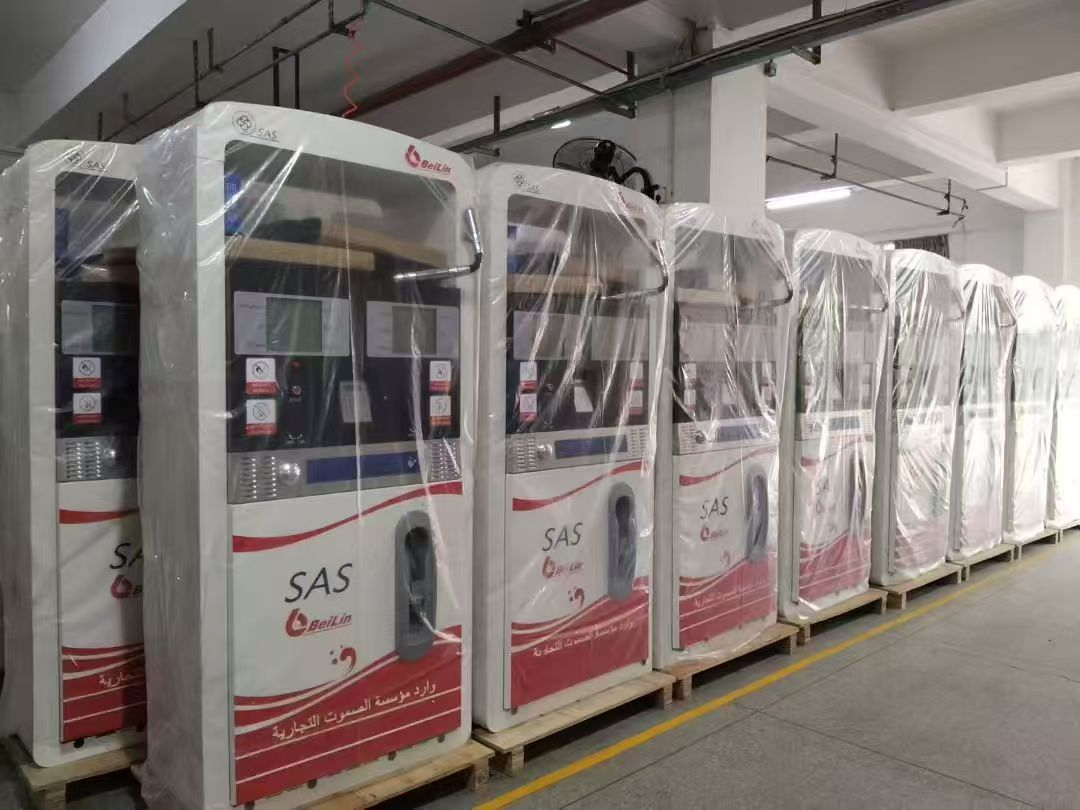
Most pump spec sheets lead with maximum flow and head, but the number that quietly determines whether your process runs smoothly is accuracy. A pump that delivers 5% less than expected might not trip an alarm, yet over a week it can throw off chemical dosing, cooling rates, or ingredient ratios enough to affect product consistency. In food, pharma, and water treatment, those small drift errors often show up as rejected batches or regulatory headaches long before anyone suspects the pump.
Accuracy also shapes running costs in ways that aren't obvious at purchase. An oversized pump throttled back may appear fine on the gauge but operates far from its best efficiency point, wasting energy and wearing out seals and impellers faster. On the other hand, a slightly undersized pump forced to run beyond its curve can cavitate or overheat, leading to unplanned downtime that dwarfs any upfront savings. The most expensive pump is often the one that's just close enough to work.
That's why field verification matters more than catalog numbers. Installing a flow meter, checking actual discharge pressure, and trending performance over time turns accuracy from a marketing bullet into an operational tool. When you know how much the pump actually moves under real conditions—not just test-bench conditions—you can adjust maintenance intervals, catch wear before failure, and stop paying for process variability you didn't know the pump was causing.
The Quiet Shift to Smarter Dispenser Interfaces
The shift away from clunky buttons and cryptic dials didn't arrive with a bang. Walk into any modern laundry room, office pantry, or public restroom and you'll notice the same machines you've used for years now respond to a light touch, a proximity wave, or even a glance at a small screen. These smarter dispenser interfaces have been quietly replacing their mechanical predecessors, often without a single announcement. The change is so gradual that most people only register it when they encounter an older unit and suddenly feel the friction of pressing a stiff lever or twisting a knob that sticks.
What makes these new interfaces feel different is not just the addition of a screen. The best ones strip away unnecessary steps: a soap dispenser that senses your hand and delivers the exact amount without a second pump, a coffee machine that remembers your usual order after one tap, a water fountain that adjusts flow based on the container you hold beneath it. The intelligence sits in the background, learning from repeated use and refining its response. The interface itself becomes almost invisible, so you notice the result rather than the mechanism. That is the quiet part of the shift—no flashing lights demanding attention, no complicated menus, just a smoother interaction that blends into the routine.
This evolution also changes how maintenance and supply chains work. A dispenser with a smart interface can alert staff when it is low on product, log usage patterns to prevent waste, and even self-diagnose a jam before a user complains. For building managers, that means fewer frantic refill runs. For everyday users, it means less time standing in front of a machine trying to figure out where to press. The quiet shift is really a shift in expectation: we no longer tolerate interfaces that make us work for a basic need. The machine is finally adapting to us, and most people haven't even noticed it happening.
Materials and Build Choices That Extend Pump Life
Most pump failures trace back to a handful of material decisions made long before installation. Choosing duplex stainless steel over standard cast iron for the casing can eliminate chloride pitting in coastal or chemical processing environments. On the rotating side, impellers cast from CD4MCu or a fiber-reinforced composite hold up far better against abrasive slurries than ordinary bronze or grey iron. Mechanical seal faces made of sintered silicon carbide rather than carbon or alumina survive rapid temperature cycles without cracking, and pairing them with FFKM elastomers keeps the secondary seals intact even when process fluids swing acidic.
Beyond the raw alloys, build geometry plays a quiet but decisive role. Shafts machined to tight runout tolerances create less wobble at the seal faces, which directly lowers heat generation and face wear. A short, stiff shaft with a balanced impeller reduces overhung load, so bearings don't have to absorb constant deflection. Some pump builders also open up the seal chamber clearance and add a tangential flush port—this makes it easier to keep solids from packing around the seal, a simple change that often stretches service intervals from months to years in dirty water or mining slurries.
How Factory Testing Simulates Real-World Abuse
Factory testing doesn't just check if a product turns on—it tries to break it in the same ways a careless owner would. Drops onto concrete, exposure to oven-level heat, and rapid temperature swings from freezing to steaming are all scripted into the test cycle. The goal is to compress years of rough handling into a few days, so weak solder joints or brittle plastic housings fail before the first unit ships.
Vibration tables shake devices at frequencies that mimic being tossed in a truck bed or strapped to a motorcycle. Buttons get pressed by pneumatic fingers hundreds of thousands of times, while USB ports are yanked at awkward angles. Even the display is scratched with coins and keys to see if the glass holds up. These aren't pass-or-fail checkpoints; engineers watch how the failure happens, then tweak the design or assembly process until the product survives far beyond the warranty period.
What separates a solid test lab from a token one is the use of real-world abuse profiles instead of generic industry standards. A phone meant for construction sites gets dropped in gravel and dust-choked air, not just on a clean lab floor. A kitchen appliance is splattered with hot oil and tomato sauce, then wiped down and run again. By matching the test to the user's actual environment, manufacturers catch the kind of defects that bench testing never sees.
What’s Next for Fueling Station Hardware
The next hardware cycle won’t be about a single splashy device. Expect dispenser cabinets to slim down while internal computing moves closer to the nozzle—edge modules that track flow rates, filter degradation, and card-reader health without calling back to a central server. Manufacturers are already testing snap-in meter assemblies and shared power rails that let a technician swap a failing component in minutes instead of replacing an entire unit.
Fuel compatibility is pushing the biggest redesign. New nozzle boots and breakaway couplings are being built for higher-pressure hydrogen and colder LNG, while the same pedestal may need to route 800-volt DC lines for fast EV charging. That convergence favors modular islands with clearly separated energy paths, armored cable management, and sealed bays that keep liquid fuel sensors away from high-voltage electronics.
Maintenance is becoming more predictive and less reactive. Vapor recovery pumps, submersible turbine motors, and leak detectors are getting embedded vibration and pressure signatures that flag wear weeks before a failure. The practical upside is fewer emergency shutdowns and shorter inspection windows—especially for older stations upgrading piecemeal rather than rebuilding from the slab up.
FAQ
They shift reliability from being a field-repair concern to a factory-engineered outcome. Modern plants use automated calibration, precision flow meters, and sealed electronic compartments that reduce wear and moisture ingress, so dispensers arrive ready for years of consistent metering rather than needing constant on-site adjustments.
Many are building vapor recovery and leak detection directly into the dispenser chassis during assembly. Instead of retrofitting stations later, factories now pre-install compatible fittings, pressure sensors, and diagnostic ports, which makes it easier for stations to meet local emission rules without costly aftermarket modifications.
Think NFC payment modules, touchscreen interfaces with remote diagnostics, and IoT-ready flow monitoring. Factories are wiring these in from the start so the pumps can talk to back-office systems, flag abnormal flow rates, or even receive firmware updates without a technician physically opening the cabinet.
Modular builds let a station swap out a failing meter, display, or payment module in under an hour using basic tools. That cuts downtime dramatically compared with older monolithic units, and it also means one spare parts inventory can serve multiple dispenser models on the same forecourt.
Notable ones include breakaway hose couplings tested beyond expected pull forces, double-walled piping connections with interstitial monitoring, and intrinsically safe electronics that reduce spark risk. These are now standard in many factory lines, not premium add-ons, because assembly automation makes them cost-effective to include.
Strong controls eliminate the hidden defects that usually show up in the first year—things like misaligned pulleys, loose wiring harnesses, or improper meter sealing. By catching those before shipping, a factory saves operators from repeated service calls and helps keep total cost of ownership lower over a decade of use.
Yes, many factories offer configurable bezels, canopy lighting, and screen layouts as line options rather than special projects. A station can order pumps with its color scheme and localized language prompts, and the factory will flash the interface before shipment so installation is truly plug-and-play.
Look beyond glossy brochures. Ask about the factory's investment in automated test rigs, how many dispenser generations they have released with meaningful changes, and whether they publish field failure rates. A genuine innovator will have case studies showing reduced calibration drift or faster service resolution, not just cosmetic updates.
Conclusion
A modern dispenser is not simply a cabinet with a hose; its heart is a factory line where flow meters get tuned to accuracies that make a noticeable difference across thousands of transactions. Engineers subject each prototype to pressure spikes, sub-zero cold soaks, and abrasive dust chambers to mimic years of curb-side abuse before a single unit ships. Material choices follow the same logic: aluminum alloys, fluoropolymer seals, and powder-coated frames are selected not for looks but for how they resist ethanol blends, salt air, and constant UV exposure. This combination of precision machining and abuse testing keeps nozzles from dribbling, meters from drifting, and station owners from losing money through unmeasured fuel.
What has changed quietly is the interface layer. Displays are moving away from cluttered keypads toward high-contrast touch panels that guide drivers through payment, loyalty, and receipt options in fewer steps, while back-end diagnostics let technicians read pump health from a tablet instead of opening the cabinet. Looking ahead, factories are already prototyping modular hydraulic sections that can be swapped quickly, quieter motors, and sensor packages that catch wear before it becomes a breakdown. These are not glamorous changes, but they matter: a well-built dispenser keeps a station running through rush hour and gives operators one less thing to worry about.
Contact Us
Contact Person: Jason
Email: [email protected]
Tel/WhatsApp: 8615876017548
Website: https://www.bei-lin.com/