
Gasoline Generator Direct Sales Manufacturer: How to Buy Direct and Save Money
2026-08-23
Buying a gasoline generator directly from the manufacturer is one of the smartest ways to cut out middlemen and keep more cash in your pocket—but only if you know where to look and what to ask. DINGBO POWER has been quietly supplying reliable units straight from the factory floor, and in this guide we’ll break down exactly how direct sales work, what hidden costs to avoid, and how to secure a deal that actually saves you money.
Why Cutting Out Middlemen Changes the Price Tag
When a product moves from factory to shelf through two or three intermediaries, each one adds a margin that rarely reflects actual value. A distributor might take 15 percent for warehousing, a regional wholesaler another 20 percent for splitting cartons, and the retailer often doubles the landed cost just to cover rent and staff. Removing those steps doesn't simply lower the number; it collapses the distance between the person who makes the thing and the person who buys it, so the final figure stops carrying fees for storage, repackaging, and sales floor overhead that the customer never asked for.
Direct sourcing also changes how price is calculated. Instead of starting with a target retail markup and working backward, a manufacturer can set a price based on material, labor, and a reasonable profit. That shift is why some factory-direct brands sell a pair of wool trousers for $90 while a department store version of similar fabric sits at $210 — the garment didn't get better, but the chain got shorter. Of course, not every middleman is useless; some consolidate orders or handle returns efficiently. But when the main job is simply taking a cut for passing boxes along, removing that layer forces the price tag to reflect production, not distribution theater.
Spotting a True Manufacturer vs. a Reseller
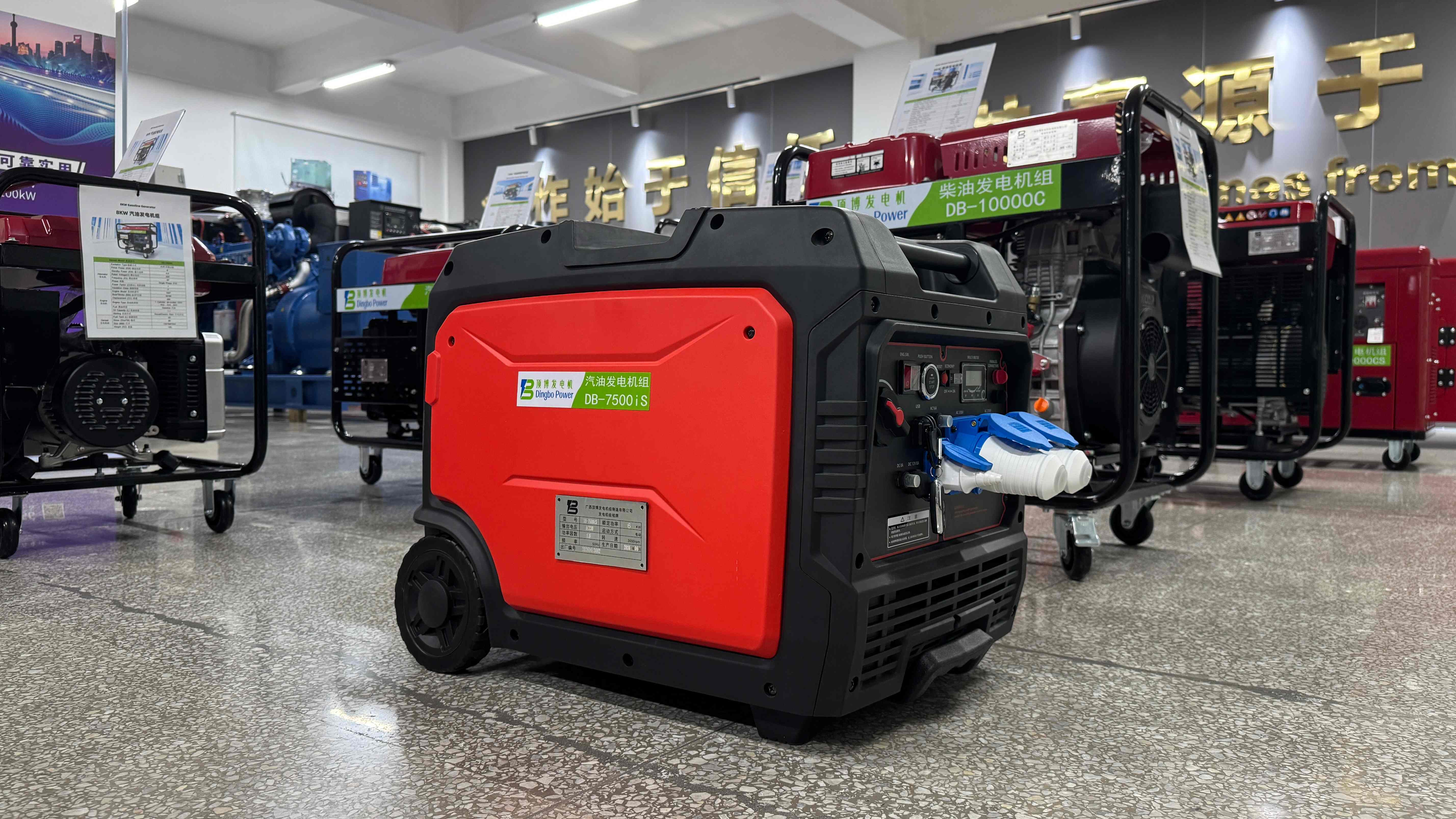
A genuine manufacturer tends to speak about materials and processes with an ease that comes from daily exposure. Ask about the origin of a component, the tolerances they work with, or whether a certain finish can be adjusted. A real factory person will often explain the practical trade-offs, mention what has failed on the floor, or suggest alternatives based on what machines they have. A reseller usually sticks to the spec sheet and repeats marketing phrases without being able to go deeper.
Customization requests reveal a lot. If you ask for a minor change—like a different thread size, a slightly thicker wall, or a non-standard color—a manufacturer can walk you through how that affects cost and lead time, sometimes offering to run a small sample. A reseller has to send your request to someone else and then relay the answer back, often with delays and a loss of technical nuance. The back-and-forth feels more like a game of telephone than a conversation with someone who controls production.
Look at the labels, packaging, and traceability marks. Many actual producers use internal batch codes, date stamps, or tooling marks that help them track defects. These are rarely polished and may be hidden on an inner surface. A reseller’s goods are more likely to carry only a clean brand logo or a generic import label. You can also ask directly for the factory address and whether a visit is possible. A manufacturer that hesitates to show where things are made—or gives an address that turns out to be an office or a warehouse—is often just moving boxes.
Questions Worth Asking Before You Pay
Before you reach for your wallet, pause and ask what this purchase will actually change. A recurring charge often looks harmless at first, but after three months you might realize it solves a problem you no longer have. Try writing down the exact outcome you expect, then wait 48 hours. If the need still feels urgent, it is more likely a genuine gap than a passing impulse.
Look beyond the headline price and check how the vendor handles cancellations, upgrades, or pauses. Some platforms bury the opt-out link behind several menus and then offer a discount to stay—this is a signal that leaving will not be painless. Ask whether the terms lock you into a yearly cycle or auto-renew without a clear reminder. A service that respects your attention will make both joining and leaving straightforward.
Step back and consider the full cost in cash and time. A low monthly fee can still be a poor deal if you only open the app twice a year. Compare it against one-off alternatives: a day pass, a used version, or doing it manually for a month. The best questions are not about whether you can afford it, but whether it earns a place in your daily routine and budget.
Hidden Costs That Direct Sales Can Eliminate
Every product that passes through a distributor, a wholesaler, and a retailer accumulates a quiet surcharge that rarely shows up on any invoice. These are the invisible costs of storage, shelf-space fees, markdowns, and the labor tied to chasing expired inventory. Cutting out those layers doesn't just lower the price—it strips away the financial drag that traditional channels quietly pass on to the final buyer.
Direct sales models also eliminate the cost of maintaining a polished retail presence. There's no rent for a prime location, no utilities for a showroom, no staff hired to stand behind a counter during slow hours. That overhead would otherwise be folded into the product's price. When the transaction happens person-to-person, the savings stay visible, and the budget goes into product quality rather than square footage.
Warehousing is another hidden expense that direct selling can dramatically shrink. When goods sit in a central warehouse, every pallet carries insurance, climate control, security, and eventual obsolescence. By moving inventory through a network of independent sellers who only order what they need, direct sales companies cut the carrying cost that would otherwise quietly raise prices for everyone.
How to Verify Quality Without Seeing the Unit in Person
Ask for a live video walkthrough rather than a pre-recorded tour. A real-time call lets you direct the camera toward corners, windows, ceilings, and any area that often hides water damage or poor construction. Pay attention to how naturally the person moves through the space—hesitation or refusal to show certain spots usually tells you more than the footage itself.
Request close-up photos of the details that matter most: the undersides of sinks, the seals around bathtubs and toilets, the breaker panel, and the HVAC filters. These are the places where neglect shows up first. If the current occupant or property manager pushes back on providing them, treat that as a signal, not an inconvenience.
If you can, find someone local to act as your eyes. A friend, a colleague, or even a hired inspector can check for smells, sounds, and the general feel of the building—things a camera will never capture. Their unbiased notes about how the unit sits in the building, how thin the walls feel, and how responsive the management has been are often more reliable than staged photos.
Negotiating Like a Bulk Buyer Even for One Generator
Most sellers assume a single-generator buyer will simply accept the sticker price. Flip that expectation by framing the conversation around volume from the start. Instead of asking “Is that your best price?” try “If I were to combine this with a future order, what kind of unit cost could we get to?” You’re not committing to anything, but you’re making the salesperson think about a larger deal, which often loosens their discount floor.
Bulk buyers never pay for extras like freight or setup, so neither should you. Ask for the distributor or contractor rate even if you don’t have a company name. Mention that you’re outfitting a worksite or event and may need additional units later; that’s usually enough to unlock a lower tier. Also check for open-box, demo, or cosmetic-blemish generators. These are often sold at 15–25% below retail but carry the same warranty and performance.
If the cash price won’t move, shift to value-added concessions. Push for free delivery, an extended warranty, a complimentary maintenance kit, or a discount on a transfer switch or cover. Bulk buyers get these thrown in routinely, and a single unit doesn’t change the math much for the seller. End with a polite willingness to walk away—often the moment the real discount appears.
FAQ
You cut out the middleman markup, which often runs 20-40% depending on the brand. On top of that, you can ask questions directly to the people who built it, so you get accurate specs instead of sales guesses.
Ask for their business license, factory address, and a live video walkthrough of the production floor. Real factories can show you assembly lines, testing stations, and serial number records. Resellers usually stall or send stock photos.
Not if you check the warranty before paying. Many direct manufacturers now offer same terms as retail: replacement parts, video-guided repairs, or local service partners. Get the warranty terms in writing and confirm who handles claims in your country.
Yes, often. You can request different voltage outputs, fuel tank size, wheel kit, or even color and branding. Larger orders usually get more flexibility, but even single units can sometimes be tweaked if you ask early.
Typically 15-35% on the same power output and features, though shipping and import duties can eat into that. Always compare the landed cost, not just the unit price. A direct price that looks cheap can become expensive after freight and customs.
Use an escrow service or trade assurance for the first order. If they insist on full wire transfer upfront with no verifiable company history, treat that as a red flag. A small deposit to start production is normal, but full payment before any proof of build is risky.
Many factories accept single-unit orders, especially for smaller portable models. The savings are smaller on one unit because shipping fixed costs stay the same, but you still avoid dealer markup. Bulk orders of 10+ units unlock better per-unit pricing.
Conclusion
Buying a gasoline generator straight from the manufacturer often cuts the final bill by a noticeable margin, but the savings go beyond a lower sticker price. When there are no distributors or dealers taking a cut, you avoid markups that accumulate at each step. The real trick is making sure you are actually dealing with a factory, not just a reseller who calls themselves one. Ask for production line details, ask about lead times on custom voltage or plug types, and request a copy of the business license showing manufacturing scope. These questions also help you spot a middleman. Direct sales also remove several hidden fees that show up later in retail channels: inflated freight charges, bundled accessories you never wanted, and “handling” surcharges that get passed along. If you skip the showroom, you can usually negotiate a fair rate for shipping based on actual weight and distance rather than a flat rate padded for profit.
Verifying quality from a distance is about documentation and small tests. Ask for recent sample photos from the assembly floor, not polished catalog shots. Request a video of the exact model running under load for a few minutes. A real factory can provide batch test records, engine brand confirmation, and warranty terms in writing before you pay. Even if you only need one generator, negotiate like a bulk buyer. Ask for the “two-unit price” or mention you are testing the unit for a larger order later. Many factories will extend a volume discount or include spare parts like an extra spark plug, fuel filter, or voltage regulator to secure a new direct customer. This approach turns a one-time purchase into a relationship where future parts and service calls are also cheaper and faster.
Contact Us
Contact Person: Rita
Email: [email protected]
Tel/WhatsApp: +8613481024441
Website: https://www.dbdieselgenerator.com/