

Glucomannan Fiber Supplement: Which One Is Actually Reliable?
2026-09-24
Not all glucomannan fiber supplements deliver what they promise—some are barely effective, while others quietly outperform the rest. With so many options claiming to be the best, how do you separate genuine quality from clever marketing? Whether you're aiming to support digestion, manage appetite, or simply add more fiber to your routine, the source and purity of glucomannan matter more than most people realize. That's where INT comes in, offering a standard that cuts through the noise. In this guide, we'll break down what actually makes a glucomannan supplement reliable, so you can choose with confidence.
What Actually Makes a Glucomannan Supplement Reliable?
A reliable glucomannan supplement rarely starts with a flashy label. It begins with the konjac root itself—where it was grown, how it was harvested, and whether the extraction process leaves the fibrous glucomannan intact rather than degrading it into shorter chains that lose their swelling power. Many products list 'konjac powder' but fail to specify the actual glucomannan percentage. A trustworthy option will state a concentration of at least 90% glucomannan, because anything lower often includes starch, pectin, or other plant material that dilutes the effect you're paying for.
Beyond the plant source, independent testing is where the honest supplements separate from the rest. A reliable product won't just claim purity; it will back that claim with third-party lab results for heavy metals, microbial contamination, and solvent residues. Look for a batch number or a certificate of analysis you can actually view. Certifications like NSF or USP add another layer of confidence, but keep in mind that even small manufacturers can meet these standards if they care about consistency. The absence of such testing isn't a minor issue—it's a red flag, especially for a supplement meant to be taken daily before meals.
Finally, the formulation itself tells you a lot about reliability. A dependable glucomannan supplement keeps the ingredient list short: glucomannan, perhaps a vegetarian capsule, and nothing else. Fillers, flow agents, artificial colors, or 'proprietary blends' that hide the actual dose per capsule should make you pause. The clinical research on glucomannan typically uses one gram taken with water before each main meal, so check whether the serving size matches that range without requiring a handful of capsules. If a product tries to complicate that simple approach with added stimulants or unproven boosters, it's often compensating for a weaker core ingredient.
Check the Glucomannan Percentage Before You Even Think About Buying
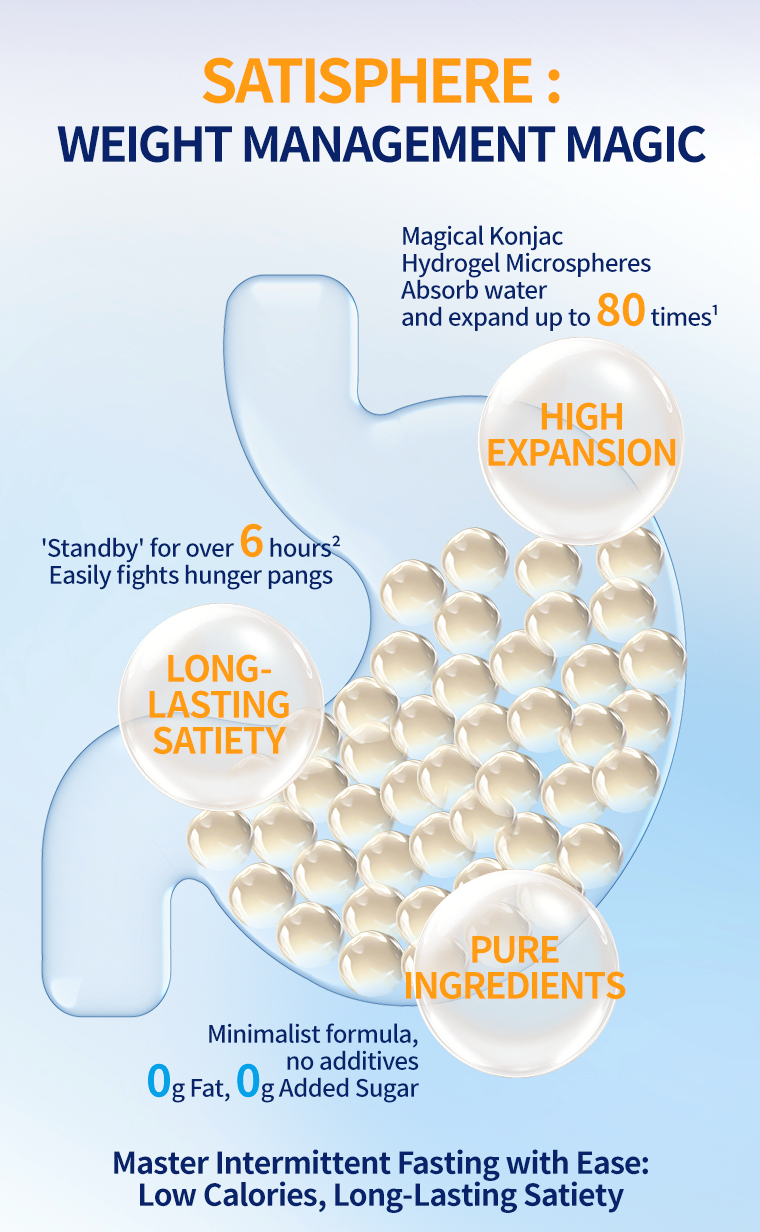
The percentage of glucomannan actually in the capsule is the first thing I look at—anything below 80% usually means you're paying for rice flour or cellulose with a sprinkle of konjac. I've seen labels that scream "glucomannan" on the front, then flip to the supplement facts and find a 500 mg capsule with only 200 mg of actual glucomannan. That's not a supplement; that's a filler delivery system.
A solid product will state the exact amount per serving without hiding behind "proprietary blend." If the math doesn't add up to at least 3 grams of glucomannan per day split across capsules, skip it. Don't fall for the "konjac root powder" bait either—root powder is not the same as extracted glucomannan, and the percentage can be pitifully low. Check the percentage, do the capsule-count math, and only then consider clicking buy.
If It Hasn't Been Third-Party Tested, Don't Bother
A label can say anything it wants. It can promise purity, potency, and a list of ingredients that reads like a wellness fantasy. But without an independent lab checking those claims, you're essentially taking a company's word for it — and companies have every incentive to stretch the truth. Third-party testing exists to close that gap. It means a facility with no financial stake in the product has verified that what's on the label matches what's inside the bottle, and that there are no unwanted surprises like heavy metals, mold, or unlisted fillers.
Think of it as the difference between a friend telling you a restaurant is great and actually reading the health inspection report. The friend might be honest, but they also might not know about the expired fish in the walk-in cooler. A third-party test is that inspection report — it catches what a brand would rather you not see. If a product hasn't undergone this kind of scrutiny, you're gambling with your health, your money, and your time. And in a market flooded with options, there's simply no reason to take that gamble.
Some companies will try to convince you their in-house testing is enough. It isn't. In-house testing is like grading your own homework — you might be honest, but the system is built on trust, not verification. Third-party testing, by contrast, is built on accountability. It's the only way to know that a supplement, skincare item, or any other product isn't just well-marketed but actually safe and effective. So before you spend another dollar, ask one simple question: who tested this besides the people selling it? If there's no clear answer, put it back on the shelf.
Why the 3-Gram Dose Is Where Many Brands Fail
Most supplement brands get the 3-gram dose wrong because they treat it as a one-size-fits-all number. The reality is that 3 grams of a poorly sourced or low-bioavailability ingredient won't deliver the same effect as 3 grams of a clinically validated extract. Brands that copy the dose without understanding the raw material quality, particle size, or synergistic cofactors often end up with a product that looks right on the label but underperforms in the body.
Another failure point is the assumption that more is always better. When brands push beyond 3 grams, they often trigger digestive discomfort or diminishing returns, yet they rarely test the dose-response curve in real-world conditions. The smart ones focus on the precision of that 3-gram window—pairing it with the right delivery format and absorption enhancers—rather than inflating the number to win a label comparison.
Finally, many brands fail because they ignore individual variance. A 3-gram dose that works for a 90 kg athlete may be excessive for a 55 kg beginner. Without clear guidance on splitting doses or adjusting based on body weight and tolerance, users either underdose or overload, leading to poor results and high churn. The brands that succeed are the ones that treat 3 grams as a starting reference, not a fixed law.
Capsules or Powder? What Actually Works for Real People
Most people think the difference between capsules and powder comes down to convenience, but the real question is how your body actually responds to each form. Capsules tend to dissolve more slowly in the stomach, which can be a blessing if you have a sensitive gut or want a steadier release over a few hours. Powders, on the other hand, hit your system faster because they are already broken down and mix with liquids immediately. That speed can matter if you are taking something before a workout or need quick relief from a headache.
But beyond absorption speed, real-world results often hinge on how consistently you take the product. Some people swear by capsules because they can toss a few in a bag and never miss a dose, while others find that stirring a powder into a morning smoothie becomes a ritual they actually stick with. The form that works best is usually the one that fits your daily routine without feeling like a chore. If you hate swallowing pills, no amount of slow-release design will help you stay on track; if you cannot stand the taste of powders, capsules win by default.
There is also a practical angle that often gets overlooked: dose flexibility. With powder, you can easily split a serving or adjust the amount based on how your body reacts that day. Capsules lock you into a fixed dose unless you break them open, which defeats the purpose. For most everyday supplements, the difference in effectiveness is small, but the difference in adherence is huge. Pick the form you can see yourself using every single day—that is the one that actually works for real people.
Sneaky Label Tricks That Make Low-Quality Supplements Look Good
A favorite move is hiding the actual dose behind a proprietary blend. You’ll see a long list of impressive-sounding herbs on the label, followed by a single number like “850 mg blend.” But that number tells you nothing about how much of any single ingredient you’re getting. Often the expensive or active component is sprinkled in last, while cheap fillers make up most of the weight. Without a breakdown per ingredient, there’s no way to know if you’re getting a therapeutic dose or just a dusting.
Another trick is borrowing credibility from studies that don’t match the product. A label might say “clinically researched ingredients,” yet the study used a different extract, a higher dose, or a completely different delivery method. The ingredient in the bottle may share a name with the one in the research, but that’s where the similarity ends. Companies count on the fact that most people won’t look up the study or compare the fine print.
Watch for serving size sleight of hand, too. The supplement facts panel might look reasonable until you notice the daily dose requires four or six capsules. The front label may highlight “500 mg of magnesium per serving,” but if the serving is three pills and you only take one, you’re getting far less than you think. Some brands even use “per two capsules” on the front while the back lists a serving as one—making the product seem twice as potent as it is.
FAQ
A reliable label lists glucomannan content per serving—usually 500 mg to 1000 mg per capsule—and shows the konjac root source. Avoid products that only say 'proprietary blend' or hide the exact amount. Check for a non-GMO or purity statement, but don't trust that alone; the actual milligram count and absence of unnecessary binders matter more.
Because glucomannan's effectiveness depends on its viscosity after mixing with water. If the raw material is poorly processed or cut with starch, it won't form the thick gel needed to promote fullness. Also, taking it with too little water or right before a meal can bypass the stomach expansion effect.
Yes. Powder lets you see and test the gel formation directly—mix a small amount in water and watch if it thickens within a few minutes. Capsules are convenient but harder to verify because you can't observe the behavior. Both can be reliable if the source is trustworthy, but powder gives you a simple home test.
Do the water test: stir half a teaspoon of powder into a glass of water. Pure glucomannan should turn into a thick, almost solid gel within five minutes, not just cloudy water. If it stays thin or clumps without swelling, it's likely cut with maltodextrin or other cheap fillers. For capsules, open one and test the contents the same way.
Viscosity is the whole game. Glucomannan works by absorbing water and expanding in your stomach, which delays emptying and triggers satiety. A low-viscosity product won't create that physical fullness, so even a high milligram count becomes useless. Reliable brands often specify viscosity levels, but you can judge it yourself with the water test.
Yes. Watch for promises like 'miracle weight loss without diet changes' or 'works instantly.' Reliable glucomannan is a fiber aid, not a fat burner. Aggressive discounts, autoship traps, and vague labels that don't state konjac origin or glucomannan percentage are red flags. Also, if the product avoids mentioning the gel-forming property, that's suspicious.
They matter, but only if the certifier is reputable—USP, NSF, or Informed Sport, for example. These programs test for identity, purity, and contaminants. A generic 'third-party tested' claim without naming the lab is weak. Certification doesn't guarantee a high-viscosity product, but it reduces the risk of heavy metals or mislabeled potency, which is a solid baseline for reliability.
Conclusion
Let's be blunt: most glucomannan supplements on the shelf aren't worth your money. A reliable product starts with one thing—transparency on the label. If the glucomannan percentage isn't clearly stated, assume it's low. You want at least 80% glucomannan content, not some vague "proprietary blend" that hides fillers like maltodextrin or rice flour. Third-party testing is non-negotiable; if a brand doesn't show a certificate of analysis from an independent lab, just put it back. The 3-gram dose is where most brands stumble. Clinical studies used 3 grams of actual glucomannan per serving, but plenty of supplements deliver only 1 or 2 grams, even when the front of the bottle screams "weight loss support." Check the Supplement Facts panel and do the math: how many capsules equal one real serving, and does that serving actually contain 3 grams of glucomannan, not 3 grams of powder?
Capsules versus powder isn't just a lifestyle choice—it's a dose reality. To hit 3 grams with typical 500 mg capsules, you'd need six capsules, often split across multiple meals. That's doable but tedious, and many capsule products quietly recommend fewer per day to avoid scaring off buyers. Powder gives you more control and usually costs less per dose, but you'll have to deal with the gloopy texture and bland taste. Watch for sneaky label tricks: some brands list "glucomannan complex" which might contain only a fraction of actual glucomannan, or they use serving sizes like "2 capsules" while hiding that each capsule is only 250 mg. Don't fall for words like "clinically studied" on the front either—that often refers to the ingredient, not the finished product at its actual dose. The bottom line: a reliable glucomannan supplement tells you exactly how much pure glucomannan you're getting, proves it with third-party testing, and doesn't play games with serving sizes. If it doesn't, find another brand.
Contact Us
Contact Person: Jeffrey
Email: [email protected]
Tel/WhatsApp: 86-0633-2230056
Website: https://www.sd-intmedical.com