

High Quality Food Extruders: A Complete Guide to Boosting Production Efficiency
2026-05-21
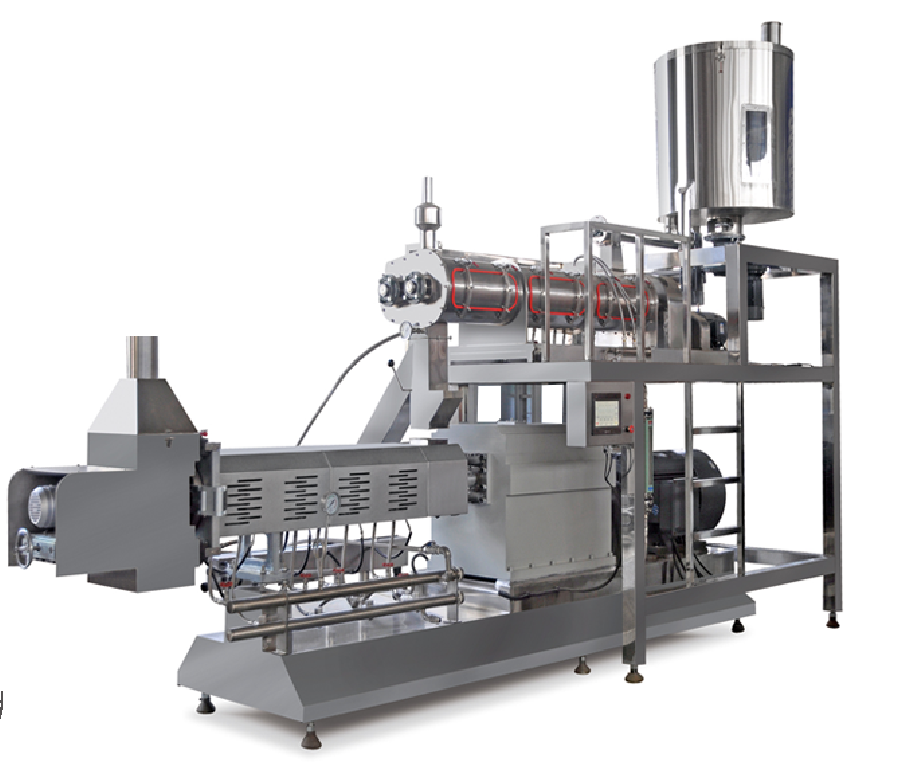
In the fast-paced world of food manufacturing, the difference between a good product and a great one often comes down to the equipment behind it. High-quality food extruders aren't just machines—they are the heartbeat of a production line, transforming raw ingredients into perfectly textured snacks, cereals, and pet foods with remarkable consistency. Yet, many manufacturers struggle with inefficiencies, inconsistent output, and downtime that eats into profits. That's where MINGDE steps in. This guide pulls back the curtain on how the right extruder technology can streamline your operations, reduce waste, and unlock new levels of productivity. Get ready to discover practical strategies that turn extrusion from a bottleneck into your biggest competitive advantage.
Rethinking Extruder Design for Modern Production Demands
The shift toward higher-performance materials and tighter tolerances has exposed the limits of conventional screw geometries. Instead of chasing incremental bumps in L/D ratio, recent redesigns prioritize barrier flights and mixing elements placed well before the metering zone—ensuring thermal history stays short and uniform even when running abrasive or shear-sensitive resins. This prevents the hotspots that often force operators to dial back throughput and keeps material properties intact through the die.
Drive systems are getting a quiet overhaul as well. Direct-drive torque motors are replacing the traditional gearbox setups, cutting energy loss and offering near-instant responsiveness to pressure changes at the breaker plate. Paired with more nuanced barrel heating, which uses zoned induction rather than broad contact heaters, the machine can hold melt temperature within a few degrees across the entire speed range—something legacy extruders struggled with once you moved beyond their sweet spot.
Maintenance and quick-change features are no longer afterthoughts. Split-barrel designs and slide-out screw carts let a crew swap from making one profile to another in under an hour, rather than tying up a line for half a shift. Meanwhile, wear coatings applied only to critical flight surfaces—not the whole screw—keep rebuild costs down while extending service intervals. It’s a pragmatic reset: build for what matters on the floor today, not what was standard a decade ago.
Fine-Tuning Feeding Systems to Eliminate Waste
Precision feeding starts with understanding the unique behavior and consumption patterns of livestock. By observing how animals interact with feed, we can adjust delivery mechanisms to match their natural rhythms, reducing spillage and refusal rates. This goes beyond simply filling a trough—it means fine-tuning auger speeds, dispense intervals, and even the physical design of feeding spaces to minimize the food that ends up on the floor or left untouched in the corners. Small tweaks, like modifying lip height or adding baffles, can keep feed within reach and discourage sorting, ensuring every pellet is consumed as intended.
Synchronization between feed delivery and animal demand is an often overlooked area with enormous potential. Instead of sticking to rigid schedules, responsive systems that use sensor feedback or intake monitoring can release feed only when it's needed, eliminating stale accumulation that inevitably goes to waste. We've seen farms cut their feed bills significantly just by shifting to this demand-driven model, which also improves overall herd health. When animals are fed when they're actually hungry, they eat more efficiently, with less competitive scrambling and far less waste pushed aside.
The final piece of the puzzle is regular calibration and maintenance of the equipment itself. Even the best-designed setup can drift over time, with little errors in metering or distribution slowly chipping away at consistency. A well-worn auger or misaligned gate might seem minor, but the cumulative effect over months is silent, steady waste. Pairing routine physical checks with basic data analysis—like tracking feed disappearance versus actual growth—allows farmers to catch these inefficiencies early. It turns feeding from a one-size-fits-all routine into a continuously refined process, where every adjustment brings us closer to a zero-waste operation.
The Role of Heat and Shear in Product Texture Control
When crafting a product’s texture, heat and shear work in tandem to rearrange molecular structures, often transforming a raw, loose mixture into a cohesive, palatable form. Heat supplies the energy needed to melt fats, denature proteins, and gelatinize starches, while shear forces align, stretch, or break down these components to build the desired mouthfeel. For instance, in processed cheese, controlled heating melts the casein network, and the subsequent shearing during mixing and cooling creates a smooth, sliceable texture that resists oiling off. Without the precise interplay of these two factors, the final product would lack the familiar firmness or creaminess that consumers expect.
Shear doesn’t just blend ingredients—it actively sculpts the microstructure by orienting fibers and breaking large particles into smaller, more uniform ones. In meat analogs, for example, high-moisture extrusion applies intense shear and heat to plant proteins, partially unfolding them and then forcing them through a cooling die. This process mimics the fibrous texture of animal muscle, creating long, aligned strands that tear like cooked chicken. The shear rate and temperature profile must be carefully tuned; too little shear leaves a pasty consistency, while excessive heat can over-texturize, turning the product rubbery. Engineers manipulate these parameters to dial in everything from a delicate, flaky pastry fat to a chewy protein bar.
The real art lies in balancing heat and shear to avoid destructive over-processing while achieving stability. In ice cream, shear during freezing breaks down fat globules and ice crystals, but too much mechanical energy can churn out butter granules or whip in excessive air, ruining the creamy body. Similarly, in dough mixing, shear develops the gluten network, and oven heat sets it, but over-shearing at high temperatures can cause the dough to break down prematurely. By understanding the thermal and mechanical thresholds of each ingredient, manufacturers can consistently produce textures that are neither too soft nor too tough, but exactly as intended for the eating experience.
Proactive Wear Detection: Extending Barrel and Screw Life
Catching wear before it becomes a problem transforms how processors manage their extruder components. Instead of waiting for inconsistent output or unexpected failures, proactive detection uses real-time monitoring to spot early signs of degradation in barrels and screws. Subtle shifts in pressure, temperature, or melt quality often signal the onset of wear long before visible damage appears. By tracking these indicators continuously, maintenance teams can schedule interventions during planned downtime, avoiding the costly domino effect of emergency repairs and production halts.
The real advantage lies in how this approach reshapes the entire lifecycle of the equipment. When wear is detected early, corrective actions are often minor—a screw polishing here, a barrel realignment there. This not only stretches the operational life of both components but also keeps them performing close to factory specifications. Processing parameters remain stable, scrap rates stay low, and energy consumption doesn’t creep up due to inefficiencies. Over time, these incremental saves compound into significant cost reductions and far fewer unplanned replacements.
Thriving operations blend sensor data with practical know-how to build a clear picture of barrel and screw health. They set meaningful baselines for vibration patterns, clearance gaps, and output consistency, then use deviations from those baselines to trigger inspections. Paired with a culture that values prevention over reaction, this methodology turns wear detection from a guessing game into a precise, ongoing practice. The outcome is equipment that hits its intended lifespan—and often exceeds it—without the drama of sudden failures.
Why Operator Workflow Directly Impacts Output Consistency
In manufacturing or production, the sequence of steps and the way an operator approaches a task molds the repeatability of the outcome. When workflows are loosely defined or inconsistently followed, even small divergences compound, leading to noticeable fluctuations in the final output. A structured workflow locks in a reliable rhythm, shrinking the space where variation can creep in.
When operators follow a streamlined path, they not only cut down on errors but also spot anomalies sooner. This built-in feedback loop allows for immediate adjustments, stopping minor hiccups from snowballing into widespread defects. The workflow doubles as both a guide and a safety net for quality.
Overlooking the influence of workflow means accepting unpredictable human bias. In precision tasks like machining, assembly, or data entry, consistent steps with built-in checkpoints guarantee that every unit meets the same bar. Without a steady workflow, consistency remains an abstract goal rather than an everyday reality.
From Batch to Continuous: Streamlining Changeovers Effectively
Switching from batch to continuous processing often feels like a battle against time and complexity. The real trick isn’t just speeding up the changeover—it’s rethinking how each step connects. Rather than treating equipment cleaning, material swaps, and adjustments as separate chores, view them as a single, intertwined sequence. By mapping out the exact choreography of a changeover, teams can spot where delays creep in and redesign those moments to flow without friction. Sometimes it’s as simple as pre-staging materials at the point of use or standardizing connection types so tools and parts snap into place without a hunt.
One overlooked aspect is the human element. Operators on the line often develop their own shortcuts, but those can vary widely between shifts. Instead of letting habits rule, run collaborative workshops where the people who touch the equipment every day can challenge each other’s assumptions. When a team collectively agrees on a new sequence—like using color-coded carts for clean and dirty components or investing in quick-release fixtures—the result isn’t just faster work; it’s work that makes sense to everyone. This shared ownership turns a once-dreaded downtime into a rhythmic, predictable part of the schedule.
Technology can accelerate the transition from batch to continuous, but it has to be wielded with care. Sensors that detect residue or automated line-clearance systems can remove the guesswork, but they only shine when paired with clear standard operating procedures. Data from past changeovers, when analyzed honestly, reveals patterns that no one would notice otherwise—like a particular pump that always clogs on the third cycle. Addressing those tiny, recurring glitches eliminates firefighting and builds a foundation where continuous production isn’t a distant goal but a daily reality.
FAQ
A food extruder is a machine that pushes mixed ingredients through a shaped die under high pressure and temperature. It cooks, blends, and shapes raw materials into consistent products like snacks, cereals, or pasta. The process combines mixing, heating, and shearing in one continuous step, which saves time and reduces labor.
High-quality extruders are built with precision controls and durable components that ensure uniform output and less waste. They maintain consistent quality over long runs, reduce downtime, and often come with better support. Cheap machines can lead to frequent breakdowns, inconsistent product texture, and higher long-term costs.
You might notice uneven product shapes, unusual noises, fluctuating temperatures, or slower output rates. If you see excessive wear on screws or dies, or if energy bills rise without a production increase, it’s time for a thorough check. Regular inspection helps catch these issues early.
Start by fine-tuning screw speed, barrel temperature, and feed rate to match your recipe perfectly. Use premium raw materials that flow consistently, and schedule preventive maintenance to avoid surprise shutdowns. Automation features like real-time monitoring can also help you adjust on the fly and keep waste low.
Common ingredients include cornmeal, wheat flour, rice, and potato starch, often mixed with water, oil, and protein sources. The starch content determines expansion and crunch, while moisture and fat levels affect texture. High-quality, uniformly ground inputs lead to smoother processing and better consistency in the final snack or cereal.
It depends on usage intensity and the abrasiveness of your ingredients. In heavy operations, screws might need replacing after 1,000 to 3,000 hours. Look for performance drops or visible wear. Keeping a maintenance log helps you predict replacement intervals and plan downtime proactively.
Many modern extruders are versatile and can produce different shapes and textures by swapping dies and adjusting parameters. However, if you frequently switch between drastically different recipes (like puffed snacks and dense pet food), you might benefit from having dedicated machines to avoid cross-contamination and reduce setup time.
Conclusion
Modern food extrusion lines demand a holistic rethink of equipment architecture to meet today's throughput and consistency targets. Rather than treating the extruder as an isolated unit, successful operations approach it as an integrated system where even subtle adjustments can ripple through output. Redesigning screw geometries and barrel configurations to match specific recipes, for instance, allows for tighter control over residence time and shear input—directly influencing product texture without overworking the dough. This mechanical precision must be paired with a feeding setup that delivers materials at a rate and uniformity that eliminates bridging and surging. When the feed zone performs seamlessly, the machine can run at higher speeds with less energy, converting what used to be startup scrap into sellable product. Heat management further refines the process: by modulating barrel temperatures and shear profiles in real time, manufacturers can dial in expansion, crunch, or mouthfeel without costly recipe reformulations.
Sustaining these gains over thousands of operational hours requires a shift from reactive maintenance to proactive wear monitoring. Tracking barrel and screw degradation with sensors or scheduled borescope inspections prevents the gradual drift in clearance that silently raises energy consumption and compromises extrudate quality. However, the most advanced machinery still underperforms if the operator workflow isn’t aligned with production rhythm. Streamlined control interfaces and clear standard procedures reduce the hesitation and variability that come from experienced staff making on-the-fly decisions. When operators can confidently manage quick changeovers—switching from one product shape or formulation to another with minimal downtime—the plant truly transitions from inefficient batch thinking to a continuous, high-yield mode. Each of these elements interlocks, proving that boosting efficiency is never about a single upgrade but about orchestrating design, maintenance, and human factors into a cohesive system.
Contact Us
Contact Person: LILY SUN
Email: [email protected]
Tel/WhatsApp: 0086-13969103791
Website: https://www.snackfoodmachinery.com/