

High Quality Unstructured Running Caps That Keep You Cool and Comfortable on Every Run
2026-11-21
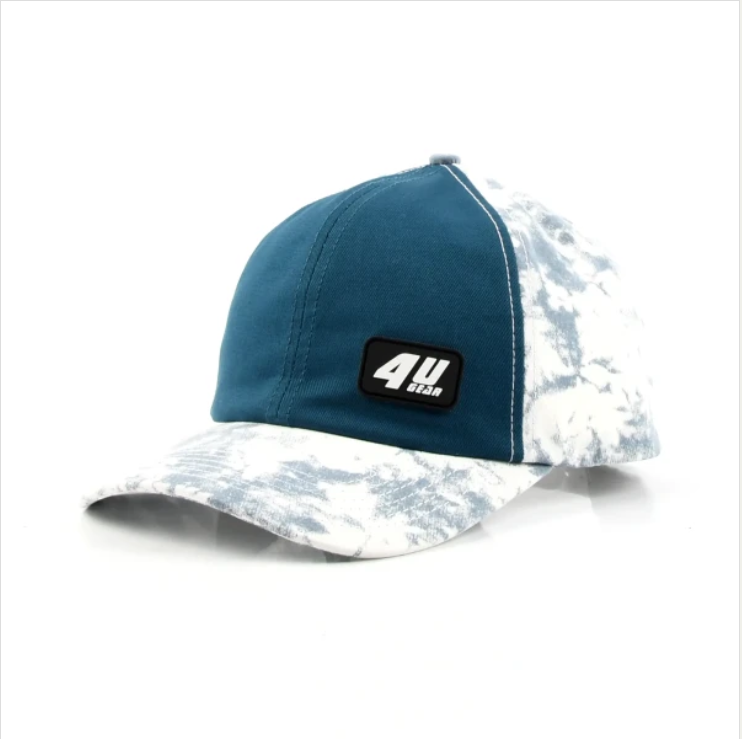
If your runs keep ending with a soaked, misshapen cap, you already know the problem. A truly breathable unstructured running cap should disappear on your head—light, airy, and secure from the first mile to the last. That is exactly what 4ugear focuses on, and this post breaks down what to look for before your next purchase.
What Changes When the Cap Has No Stiff Crown
A cap without a stiff crown stops fighting the shape of your head. The fabric settles into the natural curve of your skull, so the rigid dome look disappears and the whole hat takes on a quieter, more worn-in posture. It feels less like a structured sports cap and more like something you’ve had for years.
That softness also changes how the cap behaves when it’s not on your head. It can be folded, rolled, or shoved into a pocket without leaving a stubborn crease. The lack of internal support shifts the visual weight downward too, letting the brim and the face carry more of the character than the crown ever did.
You notice it most in small moments: pulling the cap on after a long day, packing it for a weekend trip, or wearing it with the brim slightly tilted. It leans closer to a beanie or a field cap than a crisp logo hat, and that makes the whole outfit feel less assembled and more lived in.
Sweat Management That Kicks In Before the Warm-Up Ends
The first few minutes of any workout are usually a false calm. Your shirt still feels dry, your skin just beginning to prickle with heat. Then the threshold flips without warning, and suddenly the fabric clinging to your back becomes a second skin you never asked for. That shift is where most athletic wear fails—it waits for visible sweat before doing anything about it.
This layer works on a different timeline. Rather than relying on moisture already pooling at the surface, it starts pulling heat and humidity away while you're still doing high knees and arm circles. The knit itself is engineered with a capillary gradient that treats perspiration like an invitation, not an alarm. By the time the coach calls for the first drill, the inside of the fabric feels closer to a light breeze than a damp towel.
What you notice most is the absence of that mid-session gear shift. There's no sudden awareness that your shirt has become heavy, no pause to peel it away from your sternum. The fabric keeps working in the background, redistributing moisture toward the outer face where air can actually reach it. Warm-up sweat isn't something you manage anymore—it's something the garment quietly converts into cooling before your body even registers the effort.
Fabric That Breathes Faster Than Your Breathing Rate
A fabric that breathes faster than you do changes the whole timeline of sweat. Instead of waiting for moisture to bead on your skin and then wicking it away, the weave exchanges air quickly enough to keep that moisture from condensing in the first place. The result is a noticeable drop in that sticky pause between effort and cool-down.
That speed is built into the yarn structure, not sprayed on as a finish. In airflow testing, the material moves air at a rate above a resting breathing pace, so the boundary layer against your skin stays fresher during real movement. Even when your own breathing quickens, the fabric has already cleared the previous breath's humidity and moved on.
Worn side by side with ordinary athletic textiles, the difference reads less as a feature and more as an absence: no sudden cling, no cold damp spot when you stop moving, no need to adjust the hem. It simply feels as if the shirt is doing the exhaling for you.
Featherlight Enough to Forget Between Water Stops
The pack disappears against your back about ten minutes into a long stretch. No bounce, no digging, just a thin layer of mesh and a soft bottle that you stop noticing until your next refill. That disappearing act is the whole point.
Between water stops, you’re left with your rhythm, the gravel shifting underfoot, and the sound of your own breathing. Pockets flatten out when empty, and the straps settle rather than squeeze, so there’s nothing pulling your attention away from the trail ahead.
By the time you reach the next aid station, you almost forget you’re carrying anything at all. Then you swap a bottle, tuck it back in, and let the pack vanish again.
The Packable Shape That Bounces Back After Every Run
Some pieces give up after a few crumples, but this one doesn’t. The material has a quiet memory to it—fold it down to almost nothing, tuck it away, and once you shake it out the panels settle right back into their intended lines. It looks as ready as you are, even if the last ten kilometres left you less so.
Repeated runs tend to punish gear. Moisture, friction, being shoved in a car door or crammed into a hydration vest all take a toll. This shape resists that routine abuse because the construction relies on resilient fibres rather than stiff internal layers. It bends where you need it to, then recovers without cracking or sagging at the shoulders and hem.
The practical upside is simple: you’re not handling it like something fragile. Crumple it after a wet interval session, forget it in a gym bag overnight, and it still drapes cleanly the next morning. That bounce-back means fewer touch-ups and more days where grabbing your kit is the easiest part of the outing.
Hold That Stays Steady From First Stride to Cool-Down
The best rides don't fall apart when your legs start to burn. A hold that stays steady from the first stride to cool-down means the contact feels the same at minute one as it does at minute forty. You're not gripping to keep the shape, and you're not letting it slide when fatigue sets in. The hand, the rein, the bit, and the horse's mouth all stay in the same quiet conversation. No sudden pops, no hollowing, no leaning into your wrist. Just a soft, even pressure that lets you give a half-halt without losing the thread.
To build that kind of steadiness, stop chasing the perfect outline and start paying attention to what your hands do when you exhale. A common pattern is holding firm until the first mistake, then dropping the contact as a reflex. That creates a cycle: grasp, release, grasp. Instead, keep your elbows heavy and your fingers closed around the rein like you're holding a bird — firm enough it can't fly off, soft enough you don't crush it. Ride a twenty-meter circle and count the rhythm. If the contact changes at the same point every round, it's not the horse; it's a habit. Fix the habit before you ask for more.
The payoff shows up late in the ride. When your shoulders ache and your brain is tired, a steady hold keeps the horse's balance under you. He stops rushing, stops flipping his head, and starts carrying himself. That's when you realize the hold was never about the reins at all. It's about giving the horse a consistent place to lean into the work — and giving yourself a hand that doesn't quit before the cool-down.
FAQ
The crown has no stiff front panel, so it moves with your head instead of sitting on it. After a mile or two, you mostly forget it's there.
They use a mix of featherweight shell fabric, side mesh panels, and a sweat-wicking inner band. Heat escapes quickly, and the fabric dries fast enough to avoid that soaked, heavy feeling.
The soft crown stretches naturally, and the back closure gives you plenty of room to adjust. It grips without squeezing, so it's comfortable with thick hair or a bun.
Yes. You can fold one into a pocket, belt, or backpack. Once you take it out, the unstructured crown springs back and looks ready to run.
Rinse it in cool water with a little mild soap, then let it air dry. Skip the washing machine and dryer because heat and agitation can wear down the materials faster.
For everyday gusts, the adjustable closure and snug but soft fit keep it steady. In strong, gusty conditions, you may need to snug it down a bit more, but it won't feel stiff or irritating.
They work well for both. The low-profile shape sits comfortably under a hood or hydration pack, and the quick-drying fabric handles sweat from hard intervals or humid trail days.
Conclusion
A cap without a stiff crown moves the way you do, so there is no rigid shell pressed against your forehead when you settle into a rhythm. The front panel follows the shape of your head instead of fighting it, and that single change matters more over long miles than most runners expect. Sweat control starts early here; the inner band pulls moisture away before your body temperature climbs, keeping droplets out of your eyes during the first hard effort. The fabric feels open rather than clingy, letting air pass through fast enough that you notice the difference on a humid morning. It dries quickly, so the cap stays light instead of turning heavy after the warm-up.
There is also a weight you stop thinking about between one water stop and the next. The brim keeps its line without flapping, yet the whole cap can be folded into a pocket and shaken out without creases. Once it is on, the fit stays calm from the first stride to the final cool-down, with no need to adjust it after a tempo surge or a long downhill section. That mix of packable shape and steady hold means the cap disappears into the run rather than becoming something you manage. For runners who want coverage without a plastic feel, this is the kind of cap that starts to feel personal after the first wear.
Contact Us
Contact Person: Tommy
Email: [email protected]
Tel/WhatsApp: 8613546956008
Website: https://www.4ugearsupply.com/