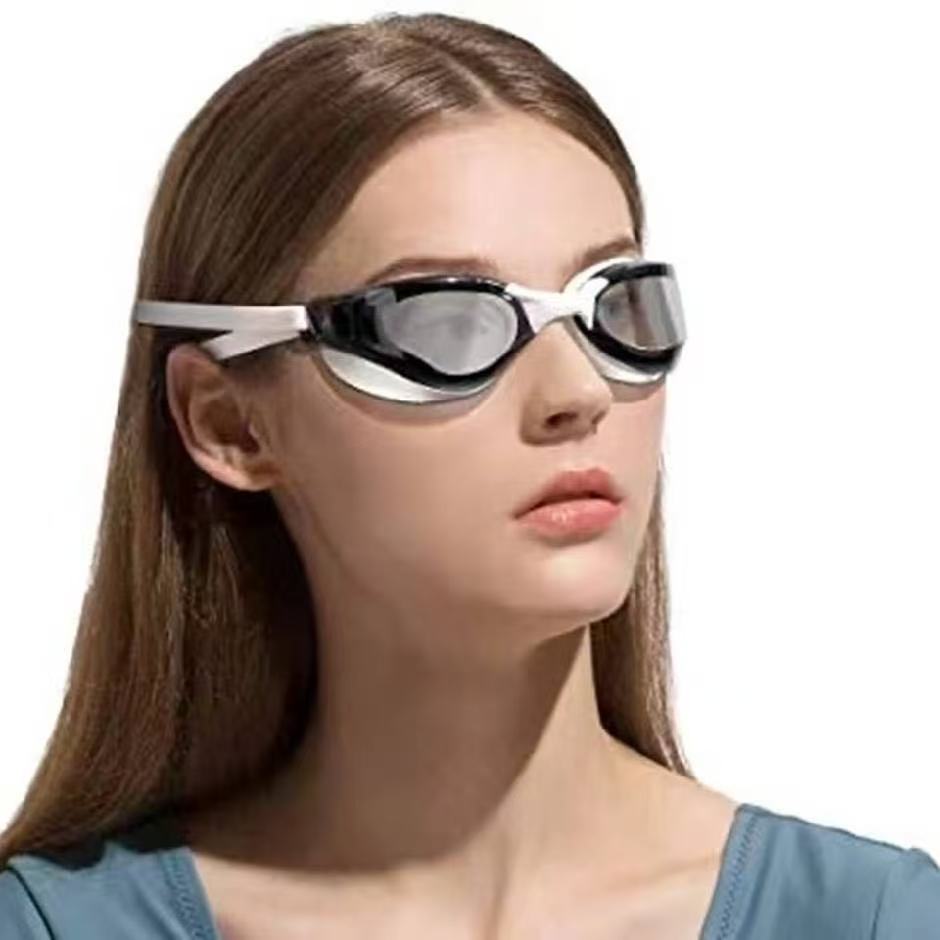

Kids Swim Goggles: Top 10 Picks for Clear Vision and Comfort
2026-10-04
If your child's swim goggles fog up, leak, or pinch, pool time turns into a battle. But the right pair can make all the difference. In this guide, we've rounded up the top 10 kids' swim goggles for clear vision and comfort—tested for fit, durability, and kid-friendly features. From no-leak seals to wide-view lenses, each pick solves a common problem. One standout is OCORT, which pairs a soft, adjustable frame with anti-fog lenses that actually work. Ready to find your child's new favorite goggles? Let's dive in.
Seals That Feel Like a Second Skin, Not a Squeeze
The moment you slide a properly designed seal into place, the pressure disappears. It hugs without pinching, follows the curve of your wrist or jaw, and stays quiet against your skin. There is no rubbery bite, no dull ache after thirty minutes, no need to keep tugging at the edge.
That comfort comes from choosing a material that yields under low force but still springs back to hold its shape. A thin, tapered lip can flex as you move, spreading contact pressure over a wider area instead of concentrating it into a sharp line. The result feels less like being clamped and more like wearing a thin, breathable layer.
Many designs try to make up for poor geometry with extra squeeze, but that only trades comfort for marginal protection. What actually matters is the seal's ability to conform to the subtle dips and bumps of real skin. When the durometer and edge profile are tuned right, you get a seal that moves with you, and you simply forget it's there.
When Foggy Lenses Ruin the Fun (and How to Stop It)
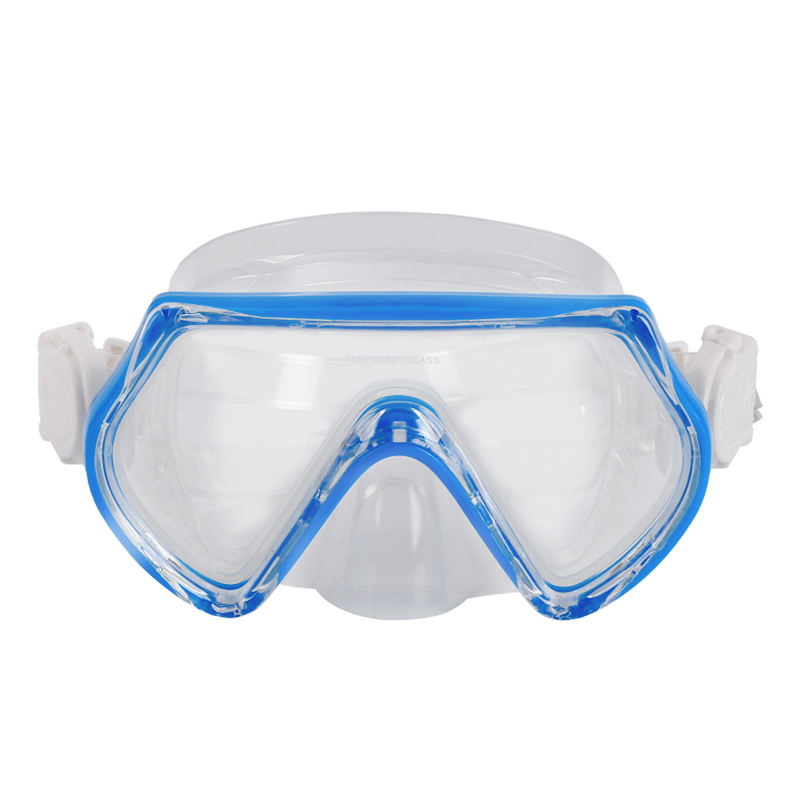
There's a special kind of frustration reserved for the moment your glasses turn into a white wall right as you step off a chilly bus into a warm room. One second you're scanning the room, the next you're blind, fumbling for a tissue while everyone else just walks on through. Same thing happens on ski slopes, inside snorkel masks, or with a camera lens just before the perfect shot. Fog doesn't care about your plans.
The culprit is basic physics. Warm, moist air hits a cooler surface, water vapor condenses into tiny droplets, and those droplets scatter light in every direction. Your lens becomes a cloud. The worse the temperature difference, the thicker the fog. And if the surface has even a microscopic layer of oil or dirt, the droplets cling tighter and smaller, making it worse.
Forget wiping it with your sleeve every ten seconds. Try a tiny dab of shaving cream or dish soap rubbed on the lens, then buffed off until clear. It leaves behind a thin film that breaks the surface tension so water can't bead up. Anti-fog sprays and wipes work on the same idea, but the cheap home remedies often do the job just as well. For glasses under a face mask, a loose-fitting mask or a strip of medical tape across the nose bridge keeps your breath from sneaking upward. For camera lenses, let the gear acclimate to the environment before you start shooting, and keep a microfiber cloth in an easy pocket. Fog will still show up, but now you have the upper hand.
Adjustable Straps That Outlast Summer Splash Fights
Kids don't hold back when the hose comes out, and neither should their sandals. The adjustable straps here are built to handle being yanked, soaked, and dragged through wet grass without loosening or fraying. We swapped flimsy velcro for a reinforced hook-and-loop system that keeps its grip even after dozens of cannonballs and creek stomps.
What really makes a difference is the strap material. It dries fast, resists mildew, and won't turn stiff after a day at the pool. The adjustability means the fit stays snug from the first splash to the last, so you won't be fishing a lost sandal out of the deep end.
Seeing the Whole Pool with Wide Views for Curious Eyes
A wide-angle vantage point doesn't just let you glance at the water; it pulls the entire pool into a single, unhurried sweep. From the raised walkway, every lane, every shallow step, and every ripple becomes part of one continuous view, so no corner hides from a naturally curious gaze.
The layout keeps sightlines deliberately open. Low-profile edges and glass panels remove the usual visual barriers, while the surrounding deck slopes just enough to give parents, coaches, and lifeguards a clear read of the whole basin without needing to pace the perimeter.
Overlapping viewing heights add depth to the scene. Someone standing near the entry sees the near-side steps and the far lane ropes in the same frame; a spectator on the upper bench can trace a swimmer's turn from the flags to the wall. It's less about surveillance and more about inviting the eye to wander across a space that reveals itself all at once.
Tough Lenses for Kids Who Treat Gear Like Toys
Kids are rough on everything—backpacks, shoes, and especially glasses. A pair that's meant to survive recess, soccer practice, and the occasional temper tantrum needs lenses that won't crack at the first drop. That's where impact-resistant materials come in, but not all "tough" lenses are created equal. The real test isn't a lab spec sheet; it's what happens when your kid chucks their frames onto the driveway or sits on them during a road trip meltdown. You want something that bends instead of shatters, and that can take a direct hit from a flying toy without turning into a thousand sharp pieces.
Think about the daily abuse: glasses get shoved into a pocket with a handful of gravel, stepped on during gym class, or used as a makeshift shovel in the sandbox. Standard plastic lenses might survive a few scratches, but they'll eventually crack under pressure. Polycarbonate and Trivex are the usual go-tos for a reason—they're built to flex and absorb impact, much like the stuff used in safety goggles and helmet visors. Yet even within those options, there are differences in coatings and thickness that matter. A scratch-resistant layer isn't just a nice extra; it keeps the lens clear when your little one decides to wipe them with a sandy t-shirt sleeve.
When you're picking out lenses for a kid who treats everything like a battle toy, don't fall for marketing fluff about "indestructible" claims. Instead, look for lenses that balance toughness with low weight—heavy glass is out of the question, and even some thicker plastics can make the glasses slide down a sweaty nose. Ask about edge thickness and whether the lab can add a UV-blocking treatment that won't peel off after a summer of pool days. And remember, the toughest lens in the world won't help if it's too uncomfortable to wear, so involve your kid in the choice. If they like the glasses, there's a better chance they'll keep them on their face instead of using them as a projectile.
Budget Goggles That Feel Like a Splurge
You know that moment when you pull a pair of goggles out of the box and the frame flexes just right, the strap has a satisfying thickness, and the lens catches the light with a subtle mirror finish? That’s what these feel like—except the price tag doesn’t make you wince. The designers clearly spent their budget where it counts: the silicone gasket is soft but grippy, the buckle adjustments click with a reassuring precision, and the overall weight sits on your face like something you’d find in a high-end ski shop. No flimsy plastic creaks, no cheap foam that flattens after one use. It’s the kind of gear you hand to a friend without saying the price, just to watch them nod in approval.
Optically, they punch way above their class. The lens stays fog-free through sweaty hikes and quick transitions from cold lifts to warm lodges, and the tint depth is tuned so bluebird days feel crisp without turning everything into a gloomy gray. Peripheral vision is wide enough that you forget you’re even wearing goggles, which is a rare trick at this price point. The anti-glare coating doesn’t smear or scratch easily—toss them in a backpack pocket and they come out clean. Even the strap’s grip strip holds steady on a helmet, so you’re not constantly yanking them back into place after every turn. It’s the kind of quiet competence that makes you wonder why you ever paid triple for the big-name brand.
Durability is where the “splurge” illusion really sticks. After a full season of rocky parking lots, overstuffed gear bags, and the occasional face-first tumble, the frame hasn’t cracked, the lens hasn’t delaminated, and the foam still springs back. The real test? You stop checking the price in your head and start reaching for them every single time, even when the “nice” pair is sitting right there. That’s the mark of a budget buy done right—nothing about the experience whispers discount, and everything about it says you made the smart move.
FAQ
Check that the eyecups are made from soft silicone rather than hard plastic, because that’s what molds to a child’s face without leaving deep marks. A split strap or wide silicone band helps keep them in place during dives. Also make sure the nose bridge is adjustable or comes with interchangeable sizes so the goggles don’t pinch or slide.
Factory anti-fog coatings wear off after a few weeks of use, especially if your kid rubs the inside of the lenses with wet fingers. You can refresh the effect with a drop of baby shampoo smeared on the inside and rinsed lightly, or use a dedicated anti-fog spray before each swim session.
Yes, and the difference matters. Toddler goggles usually have a softer, more flexible frame and larger lenses for a wider field of view, which reduces fear. Older kids can handle sleeker, lower-profile goggles that stay put during laps. Avoid putting an adult-style racing goggle on a preschooler—it often leaks because the eye socket shape doesn’t match.
A few names get mentioned constantly for good reason. The Speedo Jr. Vanquisher is a classic choice for kids starting swim team. Aqua Sphere Seal Kid 2 is popular for casual swimming because of its easy-adjust side buckles. Frogglez goggles are loved by parents because the neoprene strap doesn’t tangle hair. Cressi Baloo and TYR Swimple also earn spots for their comfort-focused seals.
Look for a wide, cushioned seal rather than a thin rim. The strap should be wide enough to distribute pressure—about half an inch or more—and the nose bridge should have at least one alternate size. If your child says the goggles feel like they are sucking their eyeballs, the suction is too strong; try a model with a softer gasket. A quick test: press the goggles gently over the eyes without the strap. If they stay for a second or two with light pressure, the seal is decent.
Yes, the strap design matters as much as the eyecups. Neoprene or fabric-backed straps are much gentler than thin rubber ones and won’t pull hair. Some options, like Frogglez, use a wide adjustable band that sits flatter against the head. You can also look for goggles with a quick-release button so you can loosen them between sets without removing the whole thing.
First, make sure the strap sits high on the back of the head, not down near the neck—that angle changes the seal. Tighten it just enough to hold the goggles in place; overtightening can distort the frame and actually cause leaks. Also check that the nose bridge isn’t too wide, which lets water in at the inner corners. If leaks persist, a slightly larger eyecup model often seals better for kids with rounder faces.
Conclusion
A good pair of kids' swim goggles needs to do two things well: keep water out without squeezing the face, and keep the view clear even after an hour of play. The standout options in this lineup nail both. Instead of the stiff plastic rims that leave red rings around a child's eyes, these goggles use soft, flexible gaskets that sit gently against the skin, almost like a second skin. Fogging is another common reason kids rip goggles off mid-swim, so several picks include reliable anti-fog coatings or built-in ventilation that prevents that cloudy film from forming. Wide-lens designs add another layer of appeal, giving curious young swimmers a nearly panoramic view of the pool, so they can spot the steps, their friends, or the snack bar without constantly twisting around. Comfort plus clear, broad vision means fewer adjustments and more actual swimming.
Kids are not gentle with their gear, so the best goggles in this roundup are built to survive being tossed into a bag, dropped on concrete, or yanked during a splash war. Adjustable straps make a big difference here, with stretch-resistant silicone buckles that hold their setting instead of slipping loose after a few dives. The lenses themselves are treated to resist scratches and impacts, so a goggle that gets stepped on once doesn't immediately become useless. And you don't have to spend a fortune to get this durability. A few budget-friendly options on the list feel surprisingly high-end, with cushy seals, easy push-button adjustments, and leak protection that rivals pricier brands. For parents, that means less money wasted on replacements; for kids, it means a pair that won't fog up, slide around, or pinch halfway through the afternoon. The best of these ten picks get the balance right, turning swim time into something kids actually look forward to.
Contact Us
Contact Person: Wendy
Email: [email protected]
Tel/WhatsApp: 86 18807398467
Website: https://www.zlfswim.com