

ODM Cooling Gel Mattress Topper Keeps You Cool and Comfortable All Night Long
2026-11-22
Most mattress toppers claim to be comfortable, but few address the real culprit behind restless nights: trapped heat. The ODM cooling gel mattress topper from Kunbao works differently, drawing warmth away before it can wake you. If you have ever kicked off the covers at 2 a.m., this is worth a closer look.
Why It Feels Different by 2 A.M.
By 2 a.m., the background noise of being perceived fades. The day keeps throwing small roles at you—polite colleague, patient partner, quick decision-maker—and each one carries a tiny script. When the last notification goes dark and the street outside stops interrupting, that script stops mattering. The silence isn't empty; it's just no longer asking you to perform.
There is also a physical shift. Your body stops masking tiredness with caffeine and movement, and your thoughts lose the sharp edges they borrow from deadlines. Whatever you pushed aside at noon returns with quieter volume but more weight. At 2 a.m., a phrase you heard hours ago replays not because it was important, but because there is finally room to feel it.
The hour makes ordinary details feel overheard. A fridge humming, a car passing two streets over, the click of a lock—these sounds become landmarks because nothing competes with them. That different texture isn't magic or loneliness. It's what happens when the performance ends and the witness is gone, leaving you alone with the version of yourself that doesn't answer to anyone.
The Gel Layer That Earns Its Keep
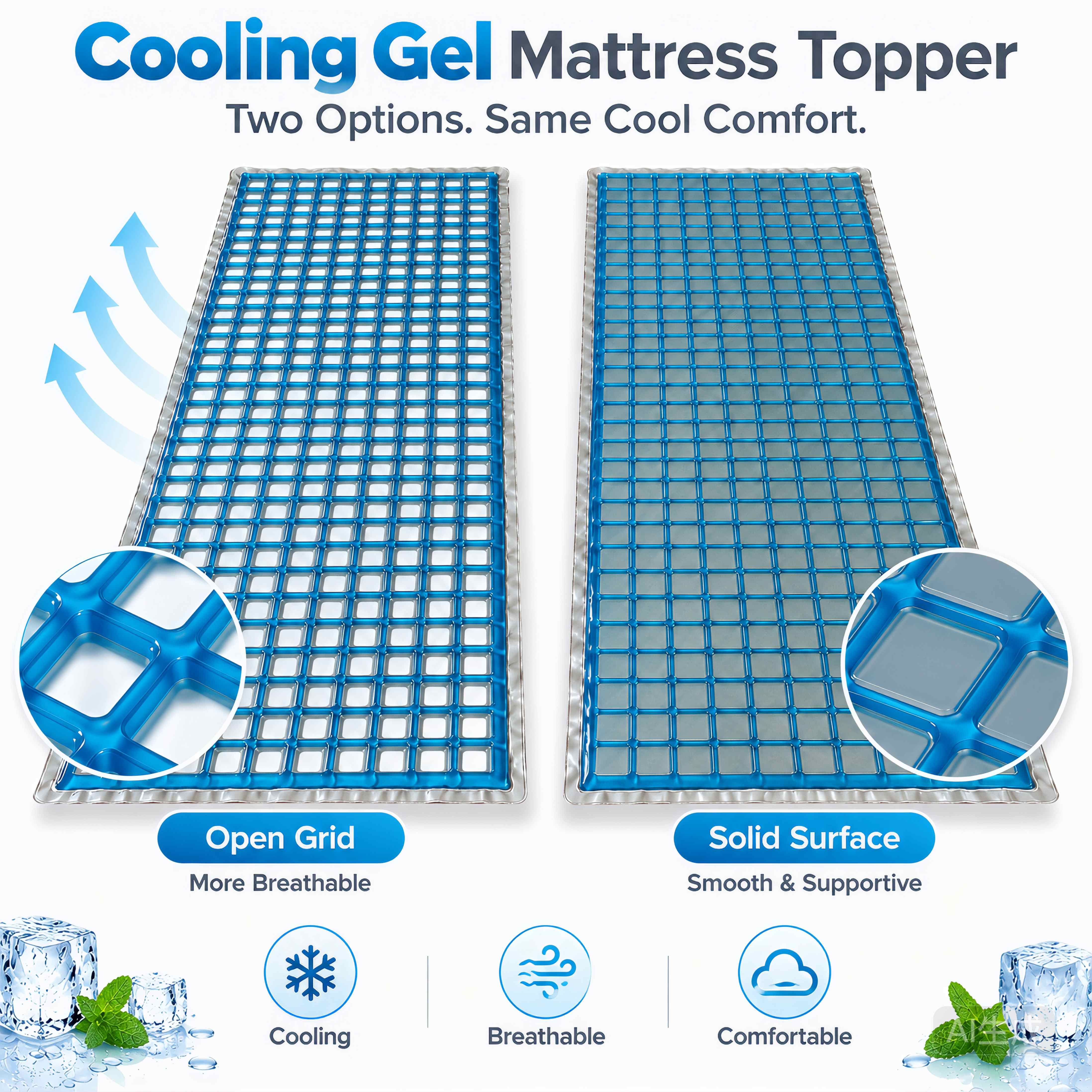
Plenty of products toss in a gel insert just so the label can sound impressive. This layer actually works for its keep. Under load, it spreads pressure instead of letting it pile up at one point, then recovers its shape before the next step lands.
It also stays consistent when conditions change. No going stiff in cold weather, no turning tacky in summer heat. The material holds its position instead of drifting toward the edges, so the cushioning remains steady after months of daily use.
Most of the time you won't even notice it doing the job, and that's exactly the idea. What you feel is less fatigue and fewer sore spots, not a squishy gimmick that disappears after a week.
Cool to the Touch, but That's Not the Whole Story
Run a palm across the surface and the first thing you notice is a quiet, immediate coolness. It doesn't feel icy or damp, just gently removed from the warmth of the room. But that sensation alone would be a party trick. The more interesting part is what keeps happening after your skin leaves the fabric.
Instead of relying on a single cooling coating, the material is built to let heat move away in stages. Air passes through the weave, moisture gets pulled off the skin before it can turn clammy, and the surface resets quickly for the next contact. The result is less like a cold object and more like shade on a warm day—noticeable without being jarring.
That difference matters most over hours, not seconds. Short bursts of coolness fade, but a steady, breathable exchange is what actually prevents that sticky, restless feeling. So while the touch is the invitation, the real story is the way the fabric keeps working long after the first impression.
Hot Sleepers, This Is What Changes First
The first thing that shifts for people who run warm at night isn't the thermostat or the mattress—it's what touches their skin. Lightweight, breathable cotton or linen sheets replace anything with a synthetic blend, because those fabrics trap heat instead of letting it move away from the body. A switch to a thinner duvet or a simple top sheet often happens before any other purchase, simply because it's the easiest change to feel immediately.
After bedding, the next quiet adjustment usually happens in the closet. Pajamas get swapped for looser weaves or nothing at all, while socks disappear even in cooler months. Hot sleepers learn to dress for their own internal furnace rather than the room temperature, and that small shift does more than many high-tech cooling products ever could.
Once those basics are in place, the larger pieces—a firmer, more breathable pillow, a mattress with better airflow, or a fan positioned just so—tend to follow naturally. But the first real change is almost always about removing layers rather than adding gadgets.
No New Mattress Required
Replacing a mattress often feels like the only fix for poor sleep, but a well-chosen topper can shift the feel of your bed without the heavy lifting or disposal headaches. The right layer adds pressure relief and softens or firms up the surface just enough to change how your body settles at night.
It also gives older foam or spring beds a longer run. Instead of dealing with showrooms, delivery windows, and breaking in a whole new surface, you simply unroll a topper, let it expand, and tuck it under your fitted sheet. Most people notice the difference within a night or two, not weeks.
For renters or anyone watching their budget, this route keeps costs down and avoids sending a bulky mattress to the curb. A removable cover also makes cleaning easier than scrubbing a full mattress, which keeps the sleep surface fresher over time.
Setup and Care Without Overthinking It
Most of the trouble comes from trying to follow every tip at once. Start with a clean surface, place the item where it actually gets used, and let the first week stay simple. A quick wipe with a dry cloth after each use does more than any deep-cleaning routine you might dread. If something spills, lukewarm water and a soft cloth handle most situations; skip the heavy cleaners unless the label calls for them.
Storage matters less than you think. Keep it out of direct sunlight and away from heat vents, but don't obsess over perfect humidity or padded cases for everyday things. A stable spot where air can move is enough. When a small scratch or dull spot appears, let it be for a while—many materials settle into their look over time, and chasing every mark leads to more wear than leaving it alone.
Once a month, check the parts that see movement or contact: hinges, seams, edges. Tighten anything loose, buff a rough patch if it catches on your hand, and then stop. Care works best when it feels like a habit rather than a checklist. If you are not sure about a product, test it in an unseen corner first, but usually the gentlest option you already own is the right one.
FAQ
It's designed for exactly that. The cooling gel layer pulls heat away from your body instead of letting it build up under you, so you're less likely to hit that 2 a.m. too-hot moment.
The gel is embedded into the foam rather than sitting on top as a slick sheet. You get the temperature drop without a sticky or wet sensation, and the top fabric stays breathable enough that air keeps moving through.
Yes, that's actually one of the strongest use cases. It creates a cooler buffer between you and the heat-trapping memory foam, so you can keep the pressure relief you like without roasting.
It has enough loft to soften the surface and reduce pressure points, but it won't completely hide a badly worn mattress. If your current mattress is sagging, this helps with comfort but won't replace the support.
The underside grips the mattress and the fitted sheet helps hold it down. Some shifting is possible if you toss a lot, but it generally stays put much better than a basic fiber topper.
Spot cleaning is the safest route for small spills. For larger messes, a damp cloth with mild soap works, but don't machine wash or dry it because that can break down the gel layer.
There can be a light factory smell right out of the box. Let it air out in a well-ventilated room for a day or two and the smell fades on its own.
It tends to land in the middle. You'll notice more cushioning than a bare mattress, but it's not the deep sink of a thick memory foam topper. If you like a balanced feel, it usually works well.
Conclusion
Most mattress toppers start with a promise that fades somewhere around the first hour of sleep. The ODM cooling gel topper takes a different route: its real test comes closer to 2 A.M., when body heat has had time to build and most surfaces begin to hold that warmth against your skin. The gel layer is not just a thin coating. It sits through the support foam and pulls heat away from the shoulders, hips, and lower back instead of letting it pool under the fabric. That is why the surface feels cool to the touch, but that alone is not the whole story. The cooling effect continues through the early morning because the topper moves heat rather than simply masking it with a cold top layer. Hot sleepers tend to notice the shift in their second sleep cycle, when the room has warmed and the mattress underneath would normally start giving heat back.
You do not need a new mattress to get that change. This topper sits on top of the bed you already own and works with the existing support instead of fighting it. Setup is quick and low effort: unroll, let it expand, and place it under a fitted sheet. There is no complicated strap system or separate cooling unit to maintain. Care is just as simple. Spot clean spills, allow it to air out before the first use, and rotate it occasionally if you sleep on one side more than the other. What makes it practical is not just the cooling, but how little it disrupts the room and the routine. Temperature becomes one less thing to manage at night, which is often what actually leads to staying asleep until morning.
Contact Us
Contact Person: Catherine Peng
Email: [email protected]
Tel/WhatsApp: +86-13434169510
Website: https://www.kbcoolgel.com/