
Plastic Shredder Manufacturer Expert Insights: Boosting Recycling Efficiency
2026-04-22
In the world of plastic recycling, efficiency isn't just a goal—it's the key to transforming waste into opportunity. As industry leaders push for more sustainable solutions, one critical component often takes center stage: the plastic shredder. At the heart of this innovation lies Shengzhong Shredder, a brand synonymous with cutting-edge technology and reliability. In this blog, we dive deep into expert insights from top manufacturers, revealing how advanced shredding systems can dramatically boost recycling rates and reduce environmental impact. What secrets do these machines hold, and how can they revolutionize your operations? Stay tuned as we explore the mechanics, benefits, and real-world applications that make shredders indispensable in today's green economy.
Key Design Features for High-Performance Plastic Shredders
High-performance plastic shredders rely on a few pivotal design elements to achieve their robust functionality. One of the most critical aspects is the construction of cutting mechanisms—often dual-shaft systems with staggered, heat-treated steel blades. These configurations enable shredders to tackle a wide range of plastics, from rigid PVC to flexible films, without frequent jams or overheating. Manufacturers also prioritize heavy-duty gearboxes and powerful motors, which provide consistent torque and speed, ensuring smooth operation even under heavy loads.
Another standout feature is the integration of advanced control systems, which allow operators to fine-tune shredding parameters like rotor speed and feed rates. This adaptability not only boosts efficiency but also extends the lifespan of the machine by preventing overstressing components. Additionally, many high-end models incorporate noise-reduction enclosures and energy-efficient designs, making them more suitable for industrial environments where sustainability and workplace comfort are key considerations.
Durability and maintenance ease further distinguish top-tier shredders. Features such as easily accessible cutting chambers, quick-change blade systems, and robust frames made from high-grade steel reduce downtime and operational costs. By focusing on these design nuances, manufacturers create shredders that deliver reliable, long-term performance, catering to the demanding needs of recycling facilities and plastic processing plants.
Choosing the Right Shredder for Different Plastic Types
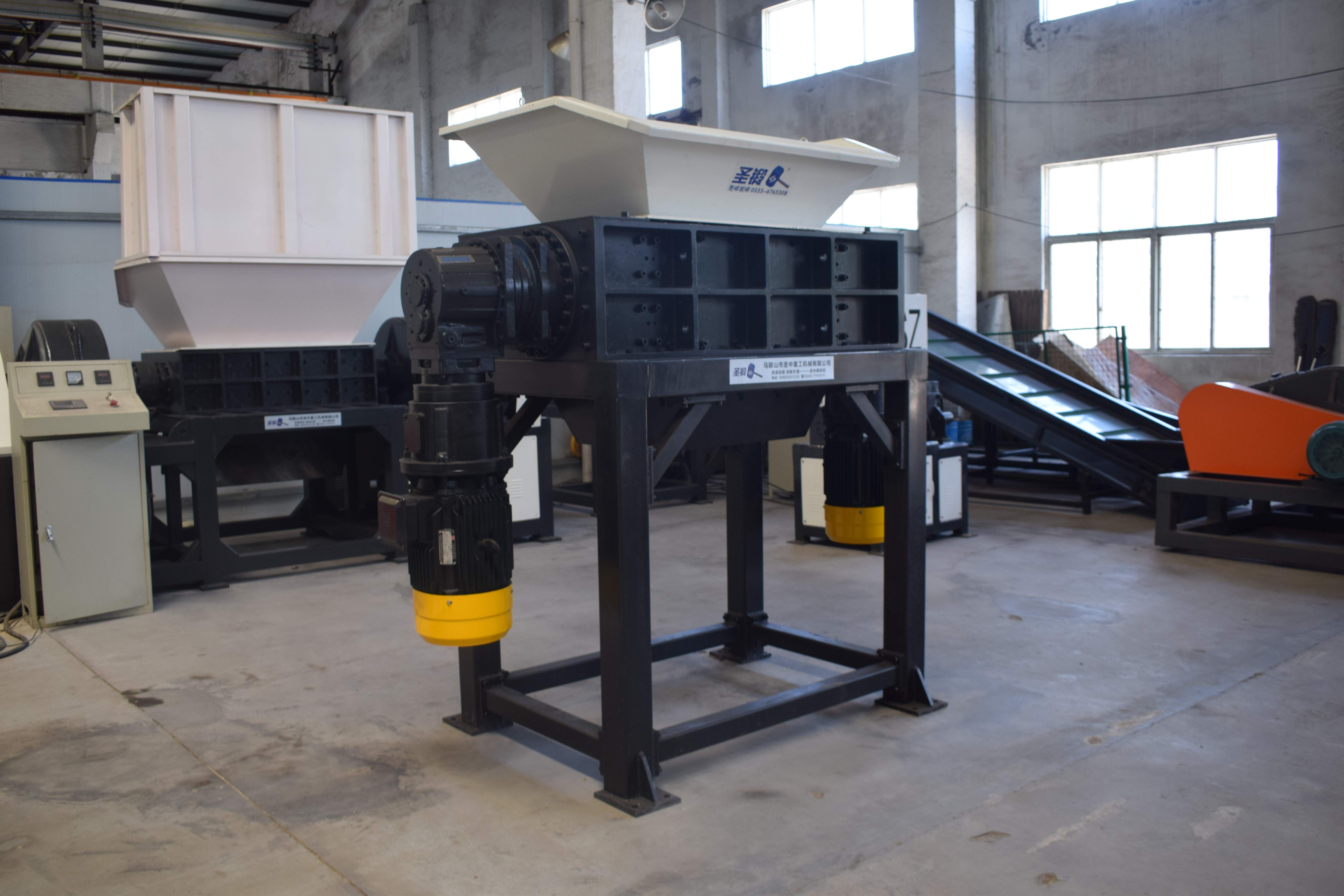
Selecting an appropriate shredder for plastics isn't just about power—it's about matching the machine's capabilities to the specific polymer you're handling. For example, shredding brittle plastics like polystyrene requires a different approach compared to tougher materials like polyethylene. The blade design, motor strength, and cutting mechanism must align with the plastic's hardness and flexibility to ensure efficient processing without damaging the equipment.
Consider factors like the shredder's throughput rate and particle size output. For flexible plastics such as PVC or nylon, a granulator with slow-speed, high-torque cutting might prevent melting or jamming, while rigid plastics like acrylic could benefit from faster, shear-based shredders. It's not one-size-fits-all; testing with sample materials can reveal how well a shredder performs under real conditions, helping you avoid costly downtime or subpar results.
Beyond technical specs, think about long-term maintenance and safety features. Some plastics release fumes or static during shredding, so models with dust collection systems or anti-static components add value. By tailoring your choice to both the plastic type and operational needs, you'll enhance productivity and extend the shredder's lifespan, making it a smart investment for any recycling or manufacturing setup.
Maintenance Practices to Extend Shredder Lifespan
To keep your shredder running smoothly for years, a few simple habits can make all the difference. Start with regular cleaning: after each use, unplug the machine and gently brush away paper dust and debris from the blades and feed opening. This prevents jams and reduces strain on the motor. Don't forget to oil the blades monthly with shredder-specific lubricant, which helps cuts remain sharp and reduces friction. Also, avoid overloading—shred only the recommended number of sheets at once to prevent overheating and wear.
Beyond basic upkeep, pay attention to the types of materials you process. Stick to standard paper and avoid shredding items like credit cards, staples, or thick cardboard unless your model is specifically designed for them, as these can dull blades or cause damage. Store your shredder in a cool, dry place away from direct sunlight to prevent plastic parts from degrading. If you notice unusual noises or slower performance, address it promptly—small issues can escalate if ignored, shortening the machine's lifespan.
For longevity, consider a maintenance schedule tailored to your usage. Light users might clean and oil every few months, while heavy-duty operations may need weekly checks. Investing in quality replacement parts, like blades or bins, from the manufacturer can also extend life. Remember, a well-maintained shredder not only lasts longer but operates more efficiently, saving you time and money in the long run.
Cost Considerations in Plastic Shredder Investments
Investing in a plastic shredder is a significant financial decision for any recycling or manufacturing operation, and the upfront cost is just one piece of the puzzle. Beyond the initial purchase price, factors like energy consumption, maintenance requirements, and operational efficiency play crucial roles in determining long-term value. For example, opting for a heavy-duty model might entail higher capital expenditure but could lead to lower downtime and repair costs over time, making it a smarter choice in high-volume settings. It's essential to assess not only the sticker price but also how the machine aligns with your specific plastic types and production demands to avoid overspending or under-equipping your facility.
Another often-overlooked aspect is the total cost of ownership, which includes expenses related to blade replacements, spare parts, and potential upgrades. Shredders designed with modular components or easy-access panels can reduce labor costs for routine checks, while models with advanced safety features might lower insurance premiums or compliance-related fines. Additionally, considering the shredder's output quality—such as particle size consistency—can impact downstream processes like washing or pelletizing, indirectly affecting overall operational costs. A thorough evaluation of these hidden expenses helps in selecting equipment that balances performance with budgetary constraints.
Finally, don't forget to factor in scalability and future-proofing when budgeting for a plastic shredder. As business grows or material streams change, investing in a machine with adjustable settings or compatibility with different plastics can prevent costly replacements later on. Some manufacturers offer leasing options or pay-per-use models, which might ease initial financial strain while allowing for flexibility. By taking a holistic view that integrates purchase, operation, and adaptability costs, companies can make informed decisions that support both immediate needs and long-term sustainability goals.
Innovations Driving Recycling Efficiency in Shredder Technology
The evolution of shredder technology is revolutionizing recycling processes by introducing cutting-edge innovations that significantly boost efficiency and reduce waste. Advanced shredders now incorporate smart sensors and real-time monitoring systems, enabling precise control over material processing. This not only minimizes energy consumption but also enhances throughput, allowing facilities to handle larger volumes of recyclables with greater accuracy.
One standout innovation is the integration of artificial intelligence and machine learning algorithms into shredder operations. These systems can automatically adjust settings based on material type and condition, optimizing shredding patterns for maximum recovery rates. By reducing downtime and improving sorting quality, these intelligent machines are setting new benchmarks in recycling efficiency across industries.
Moreover, modular and portable shredder designs are emerging as game-changers, offering flexibility for on-site processing and decentralized recycling efforts. Coupled with enhanced safety features and reduced noise emissions, these advancements are making shredder technology not only more effective but also more sustainable and user-friendly in diverse operational environments.
Common Challenges and Solutions in Plastic Shredding Operations
In plastic shredding operations, one of the most frequent hurdles is equipment wear and tear, particularly from abrasive materials like PVC or fiber-reinforced plastics. Over time, this can lead to dull blades, reduced efficiency, and unexpected downtime. A practical solution involves using high-grade, wear-resistant shredder components and implementing a regular maintenance schedule—perhaps checking blade sharpness every few weeks—to catch issues before they escalate into costly repairs.
Another common challenge is dealing with contamination, such as metals or non-plastic debris mixed in with the feedstock, which can jam machines or damage internal parts. To tackle this, operators are adopting smarter sorting systems, like magnetic separators or air classifiers, right at the intake stage. Combining this with staff training on proper material handling can significantly cut down on contamination-related disruptions, keeping the shredding line running smoothly.
Noise and dust generation also pose significant issues, not just for worker safety but also in meeting environmental regulations. Rather than ignoring these, many facilities are investing in enclosed shredding units with integrated dust collection systems and sound-dampening enclosures. This not only improves the workplace atmosphere but also helps avoid fines, making it a win-win for both productivity and compliance.
FAQ
Focus on features like cutting mechanism (single or dual-shaft), motor power, throughput capacity, and durability of blades to handle various plastic types effectively.
By reducing plastic waste size, shredders facilitate easier sorting, transport, and processing, leading to faster recycling cycles and less energy consumption.
Yes, regularly clean the machine, sharpen or replace blades as needed, lubricate moving parts, and conduct routine inspections to prevent wear and tear.
Always use safety guards, wear protective gear, follow manufacturer guidelines, and train operators on emergency shutdown procedures to avoid accidents.
Design elements like blade configuration and chamber size affect how well it processes soft plastics vs. hard materials, influencing shred quality and speed.
Pair the shredder with proper pre-sorting systems, adjust settings based on plastic type, and implement scheduled downtime for maintenance to maximize throughput.
Trends include integration of smart sensors for real-time monitoring, development of energy-efficient models, and advancements in blade materials for longer lifespan.
Conclusion
Manufacturers of plastic shredders emphasize that to boost recycling efficiency, a holistic approach is crucial, starting with key design features for high-performance machines. These include robust cutting mechanisms, durable rotor and screen designs, and energy-efficient motors, all tailored to handle varying plastic types. Selecting the right shredder—such as single-shaft for heavy-duty plastics like PET or dual-shaft for flexible films—ensures optimal throughput and minimizes contamination. Innovations like AI-driven monitoring and automation are driving advancements, enabling real-time adjustments that enhance output quality and reduce downtime, directly supporting increased recycling rates.
Beyond initial specifications, long-term efficiency relies on proactive maintenance practices, such as regular blade sharpening and lubrication, which extend shredder lifespan and prevent costly breakdowns. Cost considerations go beyond upfront investments, factoring in operational expenses, energy consumption, and potential savings from reduced waste. Common challenges like material jams or inconsistent feed are mitigated through solutions like advanced feeding systems and operator training. By integrating these insights, manufacturers help operations not only overcome hurdles but also achieve sustainable, cost-effective recycling goals, fostering a circular economy with minimal environmental impact.
Contact Us
Contact Person: Leon
Email: [email protected]
Tel/WhatsApp: 8615385558866
Website: https://www.shred-waste.com