

Prefabricated Substation Factory: Driving Innovation in China's Power Infrastructure
2026-01-06
In the rapidly evolving landscape of China's power infrastructure, prefabricated substations are at the forefront of transformative change. These modular units are not just redefining efficiency and reliability in energy distribution; they are setting new standards for innovation across the nation. At the heart of this revolution lies CNKEEYA, a brand synonymous with cutting-edge technology and unwavering commitment to quality. This blog post delves into how pioneering factories are leveraging advanced manufacturing and smart solutions to propel China's grid into the future, overcoming traditional challenges and unlocking unprecedented opportunities. Join us as we explore the dynamic journey of prefabricated substations and discover the pivotal role CNKEEYA plays in empowering this critical sector. Get ready for insights that will illuminate the path forward in our energy-driven world.
Introducing the Prefabricated Substation Revolution
The electrical engineering landscape is undergoing a transformative shift, driven by the rapid adoption of prefabricated substations. Unlike traditional on-site constructions, these modular units are engineered and assembled in controlled factory environments, slashing project timelines from months to mere weeks. This revolution isn't just about speed; it's a complete reimagining of how power distribution infrastructure is deployed, offering unprecedented precision and quality assurance. By integrating all components into a single, transportable package, utilities and industries can now respond to grid demands with agility, reducing labor costs and mitigating risks associated with adverse weather or site-specific challenges.
What truly sets this revolution apart is its seamless fusion of innovation with sustainability and customization. Modern prefabricated substations are designed with smart technologies, such as IoT sensors for real-time monitoring and predictive maintenance, enabling proactive management of energy flows. They also champion eco-friendly practices by minimizing material waste during manufacturing and incorporating energy-efficient components like low-loss transformers. Each unit can be tailored to specific voltage requirements, environmental conditions, or space constraints, ensuring a perfect fit for diverse applications—from remote renewable energy farms to urban smart grids—without compromising reliability or safety standards.
As this trend gains momentum, it's reshaping entire supply chains and operational strategies across the globe. Companies are leveraging these substations to future-proof their infrastructure, easily scaling capacity or adapting to regulatory changes without extensive downtime. The revolution extends beyond mere convenience; it's a strategic enabler for emerging sectors like electric vehicle charging networks and distributed energy resources, fostering a more resilient and flexible power ecosystem. In essence, prefabricated substations are not just replacing old methods—they're pioneering a new era of efficiency, adaptability, and intelligent energy management that promises to electrify progress for decades to come.
How Modular Design Boosts Efficiency and Reliability
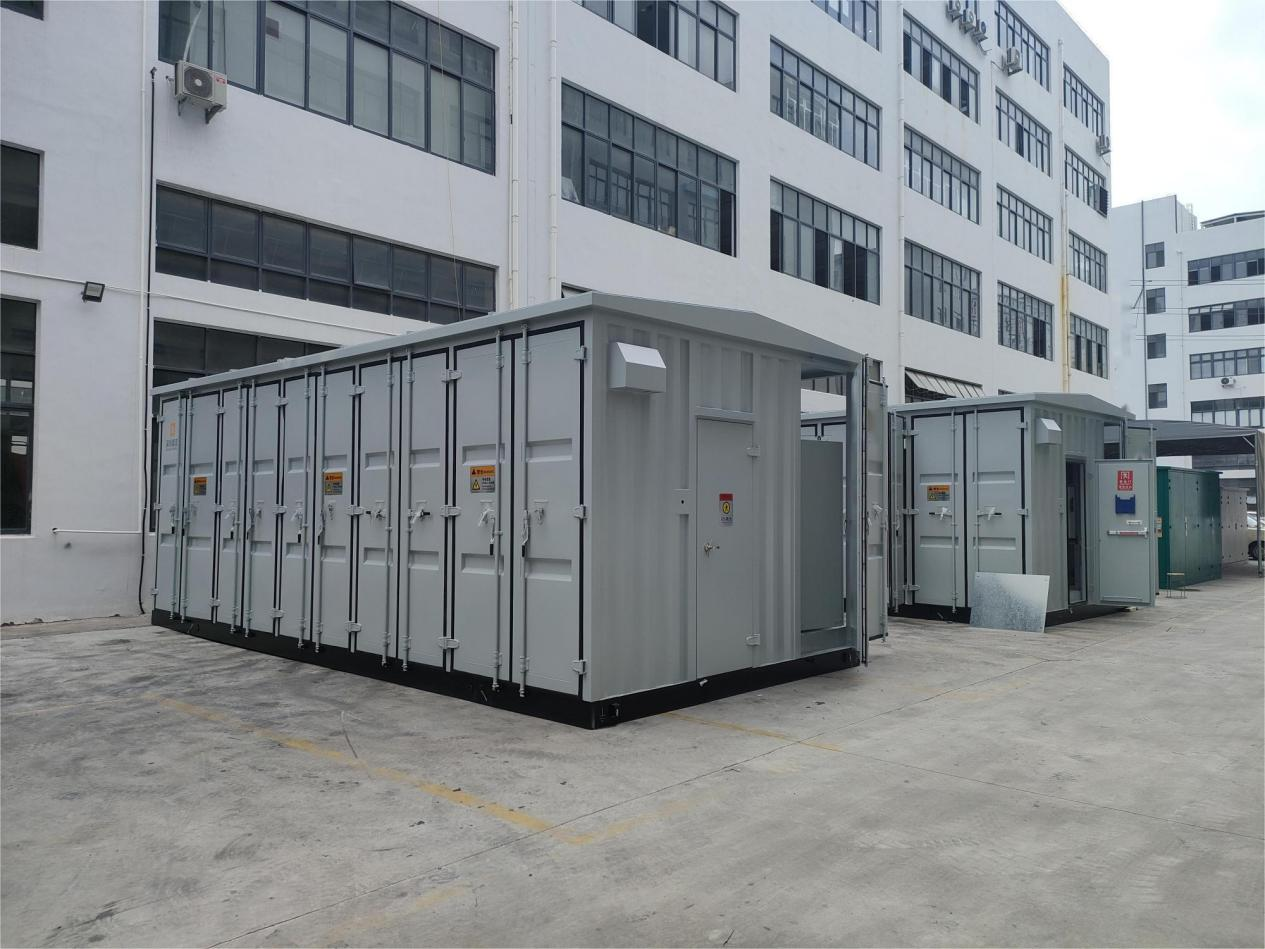
By breaking systems into independent modules, modular design allows teams to work on different parts simultaneously, slashing development timelines. This approach minimizes dependencies, so changes in one area don’t derail the entire project, leading to faster iterations and reduced downtime.
Reliability gets a significant lift, too, since each module can be tested and debugged in isolation. If a component fails, it can be swapped out or updated without overhauling the whole system, making maintenance smoother and reducing the risk of widespread issues.
Beyond these benefits, modular setups foster innovation by letting developers experiment with new features in contained environments, ensuring that enhancements don’t compromise stability.
Innovative Manufacturing Processes in China's Power Sector
China's power sector is rapidly transforming its manufacturing landscape through cutting-edge innovations that enhance efficiency and sustainability. Advanced techniques, such as additive manufacturing or 3D printing, are being employed to produce complex components for turbines and generators with unprecedented precision. This not only reduces material waste but also shortens production cycles, allowing for faster deployment of power infrastructure. Moreover, automation and robotics are increasingly integrated into assembly lines, streamlining operations and minimizing human error in critical processes like grid equipment fabrication.
Beyond traditional methods, the adoption of smart manufacturing systems, powered by artificial intelligence and big data analytics, is revolutionizing quality control and predictive maintenance. These systems enable real-time monitoring of manufacturing stages, from raw material sourcing to final assembly, ensuring higher reliability and longer lifespans for power sector components. For instance, AI-driven algorithms can predict equipment failures before they occur, facilitating proactive repairs and reducing downtime in energy generation plants. Such innovations are crucial as China expands its renewable energy capacity, demanding more resilient and adaptable manufacturing solutions.
In renewable energy sectors, such as solar and wind, novel processes like laser-scribing for photovoltaic cells and automated blade molding for wind turbines are gaining traction. These techniques improve energy conversion rates and durability, supporting China's ambitious clean energy goals. Additionally, cross-industry collaborations are fostering the development of lightweight materials and modular designs, making power systems more scalable and cost-effective. This holistic approach to innovation not only boosts domestic capabilities but also positions China as a leader in global power manufacturing, driving forward both economic and environmental objectives.
Enhancing Grid Stability with Advanced Substation Solutions
In the rapidly evolving energy landscape, substations are no longer just passive nodes for power distribution; they're becoming intelligent hubs that actively bolster grid resilience. Advanced solutions like dynamic voltage regulation systems and real-time monitoring platforms enable these facilities to respond instantaneously to fluctuations in demand or unexpected outages, preventing cascading failures. By integrating renewable energy sources more seamlessly, modern substations help smooth out the intermittency of solar and wind power, ensuring a steady flow of electricity even during peak usage times. This proactive approach transforms substations from mere infrastructure into critical assets for maintaining a reliable and adaptive power network.
One standout feature of these next-generation substations is their use of predictive analytics and artificial intelligence to foresee potential issues before they escalate. For instance, smart sensors and IoT devices collect vast amounts of data on equipment health and environmental conditions, allowing operators to schedule maintenance preemptively and avoid costly downtime. This not only enhances stability by reducing unplanned outages but also extends the lifespan of substation components, making the grid more sustainable and cost-effective in the long run. It's a game-changer that shifts the focus from reactive repairs to proactive management.
Moreover, advanced substation solutions are pivotal in supporting the transition to a decentralized grid model, where distributed energy resources like rooftop solar panels and electric vehicle chargers become more common. By employing technologies such as microgrid controllers and automated switching systems, substations can better manage localized power flows, isolate faults quickly, and restore service faster. This increases overall grid robustness, making it less vulnerable to large-scale disruptions and more adaptable to future energy trends, ultimately delivering a safer and more dependable electricity supply for communities.
Customization and Flexibility for Diverse Infrastructure Needs
In today's fast-paced digital landscape, the one-size-fits-all approach to infrastructure simply doesn't cut it anymore. Whether you're a startup scaling rapidly or an established enterprise managing legacy systems alongside modern applications, your needs are unique and constantly evolving. That's why customization isn't just a buzzword—it's the cornerstone of effective infrastructure solutions. By tailoring hardware, software, and services to your specific workflows, you can eliminate bottlenecks, optimize performance, and ensure that every component works in harmony to support your business goals. For instance, a retail company might need robust data analytics capabilities during peak shopping seasons, while a research institution requires high-computing power for simulations. A flexible infrastructure adapts to these varying demands without requiring a complete overhaul, allowing you to pivot quickly as priorities shift. This adaptability ensures that your technology investments remain relevant and cost-effective, rather than becoming obsolete in a matter of months.
Flexibility goes hand-in-hand with customization, acting as the dynamic force that enables your infrastructure to grow and change with you. Imagine being able to seamlessly integrate new tools, scale resources up or down based on real-time usage, or reconfigure network settings without downtime. This isn't about having a rigid framework with a few adjustable knobs; it's about designing systems that anticipate change and empower your team to innovate freely. For example, cloud-native architectures or modular hardware setups allow you to add capabilities on-demand, whether it's increasing storage for a data-intensive project or deploying additional virtual machines for a new application rollout. By prioritizing flexibility, you reduce the risk of vendor lock-in, avoid costly migrations, and maintain a competitive edge by responding faster to market opportunities. It turns infrastructure from a static cost center into a strategic asset that drives agility and resilience across your organization.
Ultimately, the synergy between customization and flexibility is what sets forward-thinking infrastructure apart. It's not just about meeting today's needs—it's about crafting a foundation that evolves intelligently over time. From hybrid environments that blend on-premises control with cloud scalability to software-defined solutions that automate and personalize management, the possibilities are vast. Real-world success stories often highlight how businesses have leveraged these principles to overcome challenges, such as a logistics company optimizing its supply chain with IoT integrations or a healthcare provider ensuring patient data security through tailored compliance measures. By focusing on your diverse requirements, you can build an infrastructure that not only supports current operations but also unlocks future innovations, making it a true enabler rather than a constraint in achieving your long-term vision.
The Future Outlook for Smart Substation Technologies
Smart substation technologies are on the cusp of a transformative era, driven by rapid advancements in digitalization and automation. As the global energy landscape shifts towards renewable integration and decentralized power generation, these substations are evolving to handle increased grid complexity with greater efficiency. Key trends include the widespread adoption of IoT sensors and artificial intelligence for real-time monitoring, predictive maintenance, and fault detection, enabling utilities to reduce downtime and enhance reliability. This shift not only supports a more resilient grid but also paves the way for smarter energy management systems that can adapt to fluctuating demands seamlessly.
Looking ahead, interoperability and cybersecurity will be central to the future success of smart substations. With the expansion of connected devices and communication protocols, ensuring seamless data exchange between components is crucial for optimizing grid performance. Simultaneously, as these systems become more interconnected, robust security measures are essential to protect against potential cyber threats, maintaining the integrity of critical infrastructure. Innovations in areas like blockchain for secure transactions and edge computing for localized data processing are expected to play pivotal roles in addressing these challenges, fostering a more secure and collaborative energy ecosystem.
Ultimately, the trajectory of smart substation technologies points toward enhanced sustainability and cost-effectiveness. By leveraging data analytics and automation, these systems can significantly improve energy efficiency, reduce operational costs, and support environmental goals through better integration of renewables like solar and wind. As utilities and governments worldwide invest in modernization, the future outlook is one of continuous innovation, with smart substations serving as foundational elements in building flexible, responsive, and intelligent grids capable of meeting evolving energy needs.
FAQ
Prefabricated substations are pre-engineered, factory-built electrical units that house transformers, switchgear, and control systems, shipped ready for installation. In China, their rising prominence stems from rapid urbanization, the need for efficient power distribution in expanding cities, and government policies promoting smart grid development and infrastructure modernization to support economic growth.
These factories innovate through advanced manufacturing techniques like modular design, automation, and the integration of IoT sensors for real-time monitoring. They also focus on developing compact, energy-efficient models that reduce land use and environmental impact, aligning with China's push for sustainable and resilient power infrastructure.
Prefabricated substations provide quicker deployment—cutting installation time by up to 50%—lower labor costs, enhanced safety through standardized factory testing, and better adaptability to remote or densely populated areas. This is crucial for China's efforts to upgrade aging grids and meet rising energy demands efficiently.
By streamlining power infrastructure projects, these factories support China's economic development by reducing downtime, enabling faster industrial expansion, and facilitating investments in regions with underdeveloped grids. They also create high-tech manufacturing jobs and boost exports, positioning China as a leader in global power equipment markets.
Key challenges include navigating strict regulatory standards for electrical safety, managing supply chain disruptions for components like semiconductors, and competing with low-cost traditional alternatives. Additionally, they must innovate continuously to keep pace with renewable energy integration and cyber security demands in smart grids.
Factories are focusing on digitalization, incorporating AI for predictive maintenance, and designing systems compatible with renewable sources like solar and wind. They also explore hybrid models that combine grid connectivity with battery storage, supporting China's transition to a cleaner, more decentralized energy landscape.
They enhance grid reliability by providing standardized, high-quality components that minimize on-site errors and failures. With features like remote monitoring and automated fault detection, these substations help utilities respond faster to outages, ensuring stable power supply in both urban hubs and rural regions.
Conclusion
The rise of prefabricated substation factories represents a transformative shift in China's power infrastructure, fundamentally revolutionizing traditional approaches through modular and prefabricated designs. By introducing prefabricated substations, these factories enable rapid deployment and enhanced reliability, integrating innovative manufacturing processes that streamline production while maintaining high-quality standards. This modular approach not only boosts efficiency but also supports the country's ambitious grid expansion, facilitating the integration of renewable energy sources and improving overall grid stability through advanced, tailor-made solutions.
Looking ahead, the future of China's power sector is poised to embrace smart substation technologies, driven by the flexibility and customization offered by these factories. These advancements will address diverse infrastructure needs across urban and rural settings, fostering a more resilient and adaptive energy network. As innovation continues to accelerate, prefabricated substation factories are set to play a pivotal role in shaping a sustainable and intelligent power grid, positioning China at the forefront of global energy infrastructure development.
Contact Us
Contact Person: Queenie
Email: [email protected]
Tel/WhatsApp: +86 15558806611
Website: https://www.cnkeeya.com