
Professional Boiler Deoxidizer: Essential for Long-Lasting Equipment
2026-07-01
Boilers are the heart of countless industrial operations, yet they silently face a relentless enemy: dissolved oxygen. Even trace amounts can trigger corrosion that eats away pipes and heat exchangers, leading to costly downtime and premature failure. That’s where a professional boiler deoxidizer becomes your first line of defense—and nobody does it better than EVO. In this post, we’ll unpack why oxygen scavenging is non-negotiable for equipment longevity and how the right chemistry can save thousands in repairs.
Why Oxygen Is a Silent Threat to Your Boiler
Oxygen is silent because you can't see it, smell it, or taste it, but it's always finding a way into your boiler water. Even small amounts of dissolved oxygen can trigger a slow, relentless cycle of corrosion, pitting the metal from the inside out. Over time, this quietly eats away at heat exchangers, pipes, and pressure vessels—often without any obvious external warning until a leak or failure forces a shutdown.
What makes oxygen especially dangerous is how it accelerates damage under heat. Every temperature rise speeds up the reaction rate, so the very spots designed to transfer heat become the first to fail. With no reliable film of protective magnetite forming under these conditions, the metal turns into a sacrificial anode, thinning in ways that routine inspections can miss. Many boiler operators don't realize there's a problem until the repair bill lands—and by then, the damage is already deep.
Oxygen corrosion isn't just a maintenance headache; it's an efficiency drain. Pitted surfaces disrupt heat transfer, so your system works harder and burns more fuel to meet the same demand. Add in the risk of sudden downtime and the safety hazards of a pressure part rupture, and this invisible gas becomes a threat that far outweighs its tiny concentration in the water. Effective deaeration and chemical scavenging aren't optional—they're the only way to keep oxygen from quietly dismantling your boiler from the first day of operation.
How Deoxidizers Prolong Equipment Life Beyond Expectations
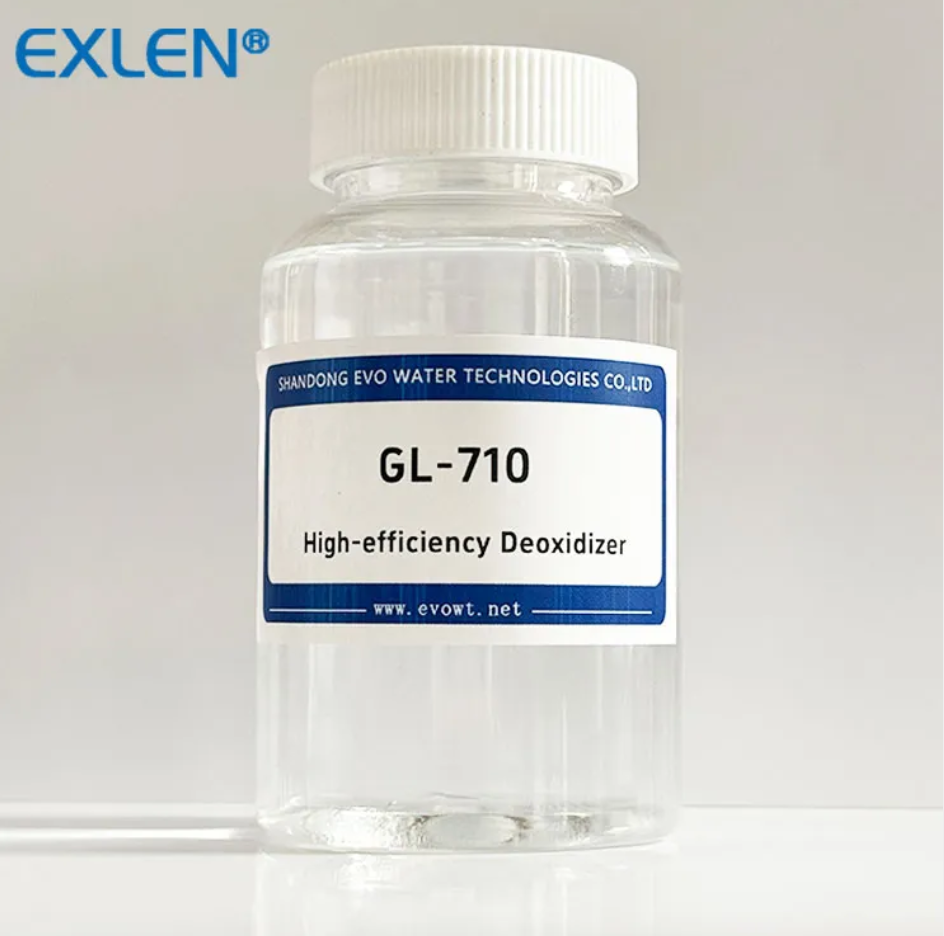
The hidden enemy of industrial machinery often isn't what you'd expect—it's the oxygen dissolved in water and other fluids that silently attacks metal surfaces. Deoxidizers work by chemically binding with this dissolved oxygen, effectively removing it from the system. This process, known as oxygen scavenging, prevents the formation of rust and corrosive byproducts that would otherwise eat away at pipes, boilers, and heat exchangers. Without this intervention, even high‑grade alloys would succumb to pitting and stress corrosion cracking within months rather than years.
What really sets a good deoxidizer apart is its ability to form a protective, passivating film on metal surfaces. This microscopic barrier not only halts existing corrosion but also repels future oxidative attacks. In closed-loop systems, this translates to dramatically reduced maintenance intervals—operators often discover that components they used to replace every quarter are still in excellent condition after two or three years. The film even self‑repairs minor breaches, which is something traditional inhibitors simply can't replicate.
Beyond the obvious anti-corrosion benefits, these compounds also mitigate the formation of insulating scale and sludge. When oxygen is present, it reacts with minerals and treatment chemicals to create deposits that reduce heat transfer efficiency and clog narrow passages. By keeping the system fluid free of oxygen, deoxidizers indirectly slash energy consumption and prevent the kind of overheating that warps critical components. The cumulative effect is equipment that runs cooler, cleaner, and far longer than the original design specs ever anticipated.
The Real Cost of Ignoring Boiler Water Treatment
Ignoring boiler water treatment might seem like a minor oversight, but the hidden expenses quickly pile up in ways that sting the maintenance budget. When scale builds up inside the boiler, it insulates the heat transfer surfaces, forcing the system to work harder and consume more fuel to achieve the same output. This energy waste isn’t a one-time hit—it compounds over weeks and months, silently inflating operating costs. In severe cases, a layer of scale just a few millimeters thick can raise fuel consumption by ten percent or more, turning what looks like a small shortcut into a sizable recurring expense.
Beyond the fuel bill, untreated water accelerates corrosion and pitting in boiler components, leading to unplanned downtime and expensive repairs. A corroded tube or failing pressure vessel isn't just a repair call—it can halt production entirely, with every hour of downtime digging a deeper hole in revenue. And the ripples spread further: emergency replacements often come with premium pricing, and the disruption can delay orders, strain customer relationships, and create a rush of overtime labor. The true cost includes these operational firefights that never show up in a simple cost-benefit analysis of treatment chemicals.
Then there’s the long-term damage to the boiler itself, where neglect shortens its service life significantly. Instead of running reliably for decades, a mistreated system may need a full replacement years ahead of schedule, imposing a capital expense that dwarfs any perceived savings from skipping treatment. When you factor in the domino effect—higher energy costs, emergency fixes, lost production, and premature replacement—the price of ignoring proper water chemistry looks less like a trade-off and more like a ticking liability that quietly erodes the bottom line.
Simple Steps to Choose the Right Deoxidizer for Your System
Finding a deoxidizer that actually works for your setup isn’t just a matter of grabbing the first option off the shelf. Start by mapping out your system’s boundaries: temperature ranges, pressure levels, and what materials the deoxidizer will contact. A product that shines in a chilled water loop might fail spectacularly in a high-temperature steam system. Don’t overlook trace interactions—for instance, certain oxygen scavengers can accelerate corrosion in copper alloys while protecting carbon steel.
Once you’ve nailed down the operating environment, compare the underlying technology. Sulfite-based products are reliable workhorses in many boilers, but they add solids. In systems sensitive to dissolved solids, a catalyzed hydrazine alternative or a non-amine-based volatile scavenger often fits better. If you’re dealing with food contact or closed-loop hydronics, enzyme-based or ascorbic acid formulations provide a gentler path without sacrificing oxygen removal performance.
Before committing to a bulk order, run a low-stakes trial. Many suppliers offer sample quantities or pilot testing support. Monitor key indicators for at least a complete operational cycle—check corrosion coupon data, dissolved oxygen readings, and any unexpected changes in flow or color. What works in a lab report doesn’t always translate to your exact mix of metals and operating quirks. Evaluate total cost in practical terms too: a cheaper product that requires frequent top-ups or extra monitoring equipment often ends up costing you more than a pricier, set-it-and-forget-it option.
What Makes a Professional-Grade Boiler Deoxidizer Different
Standard deoxidizers often rely on sulfite alone, which can fall short under high-pressure conditions or when feedwater chemistry fluctuates. A professional-grade formula incorporates catalyzed sulfite blends or even volatile, filming agents that not only strip dissolved oxygen faster but also maintain activity across a wider pH and temperature range. This means the treatment doesn’t just meet the bare minimum—it actively counteracts the corrosive pitting that shortens boiler life, even in systems with imperfect mechanical deaeration.
Beyond oxygen scavenging, top-tier products are engineered for multifunctional protection. They include polymer dispersants to keep metal surfaces free of insulating deposits, neutralizing amines for steam line corrosion control, and often a tracing component that lets operators verify dosage with simple field tests. These blends cut down on blowdown frequency, reduce fuel waste, and simplify water management—all while being formulated to handle start-stop cycling and layup periods without the gassing risks seen in cheaper alternatives.
Common Mistakes That Shorten Boiler Lifespan and How to Avoid Them
Many homeowners assume their boiler will run forever with minimal attention, but a few overlooked habits can quietly shorten its service life. Skipping annual inspections is one of the most frequent errors; without a professional check, small issues like a failing pump or a corroded seal can escalate into major breakdowns. Components that are never cleaned or tested gradually lose efficiency, forcing the system to work harder and wear out sooner. The fix is simple: schedule a service appointment yearly, ideally before winter, to keep everything in top shape.
Another common mistake is ignoring unusual noises or irregular heating patterns. A banging, gurgling, or whistling sound isn’t just irritating—it often points to trapped air, limescale buildup, or pressure problems. Similarly, rooms that heat unevenly signal underlying trouble. When these early warnings are brushed aside, the boiler’s internals suffer extra strain, leading to premature failure. Paying attention and calling a technician at the first sign of odd behaviour can add years to your boiler’s life.
Water quality and pressure also play a huge role. In hard water areas, scale from untreated water clogs the heat exchanger, causing overheating and cracks. Installing a magnetic filter or a water softener dramatically reduces this risk. Likewise, letting the system pressure drop too low or spike too high damages seals and the expansion vessel. Routinely checking the pressure gauge and repressurising when needed—following the manufacturer’s guide—prevents unnecessary wear. Small consistent efforts go a long way in protecting the entire heating system.
FAQ
It removes dissolved oxygen from feedwater to prevent corrosion inside the boiler system. Without it, oxygen attacks metal surfaces, causing pitting and leaks over time.
A standard water softener won't handle dissolved gases. Oxygen slips through and wreaks havoc on boiler tubes. A deoxidizer specifically targets that problem, extending equipment life far beyond what basic treatment can offer.
Yes, you'll find both chemical (like sulfite-based) and mechanical (deaerator) options. Chemical treatments are common for smaller or medium systems because they're straightforward to apply and monitor.
Regular water testing tells the story. If dissolved oxygen levels are above 5–10 ppb (parts per billion), you're at risk. Also, look for signs like reddish-brown rust deposits or pinhole leaks in metal components.
Not really. Most come with clear dosing instructions based on your system volume and water quality. Once you establish a routine, it's just a matter of periodic checks and top-ups.
Indirectly, yes. By preventing scale and corrosion, heat transfer stays optimal. You burn less fuel to achieve the same output, which saves money in the long run.
Generally yes, but like any chemical, you should follow the manufacturer's safety guidelines. Wear gloves and goggles when dosing, and store it in a cool, ventilated spot away from incompatible materials.
Corrosion sets in fast. You'll face unexpected downtime, costly repairs, and potentially a full boiler replacement years before you should. It's a gamble that rarely pays off.
Conclusion
Oxygen slips into boiler feedwater unnoticed, yet it triggers a relentless cycle of pitting and corrosion that slowly eats away at metal surfaces. Many operators underestimate this until efficiency drops, fuel costs climb, or a sudden tube failure halts production. The financial toll goes beyond emergency repairs—water treatment neglect frequently leads to energy waste, downtime, and even total equipment replacement years before its time. A professional boiler deoxidizer interrupts this destructive process by chemically scavenging dissolved oxygen, forming stable compounds that can be flushed away without harming internal components. This proactive step preserves structural integrity and keeps heat transfer surfaces clean, directly supporting the long-term reliability that every facility depends on.
What separates a professional-grade deoxidizer from a generic additive isn't just the active ingredient but how it behaves under real operating conditions. The right formulation works rapidly at varying temperatures and pressures, leaves no corrosive by-products, and remains effective across the entire steam cycle. Selection mistakes—such as overdosing, ignoring feedwater pH, or choosing a product incompatible with existing treatment chemicals—are common and often accelerate damage rather than prevent it. A well-designed deoxidizer integrates into a holistic water management program, complementing mechanical deaeration and regular monitoring. Operational errors like inconsistent dosing or skipping blowdown further shorten boiler lifespan, but a robust chemical treatment plan corrects these gaps. By removing oxygen before it can attack, a professional solution extends equipment service intervals and reduces unplanned outages, transforming water treatment from an afterthought into a core asset protection strategy.
Contact Us
Contact Person: Fiona Su
Email: [email protected]
Tel/WhatsApp: 8619963724144
Website: https://www.evo-chemical.com/