

Reliable Smart Street Furniture for Resilient and Connected Urban Spaces
2026-09-07
City infrastructure rarely gets a second glance, but that's about to change. From benches that monitor air quality to lighting that adapts in real time, smart street furniture is quietly making urban spaces more resilient and connected. At the forefront is zemso, a brand that's redefining what reliable public amenities look like. In this post, we'll explore why the future of our streets depends on this often-overlooked layer of technology.
Rethinking the Humble Bench: Smart Features for Everyday Resilience
Some benches fade into the background until you need them. Others quietly do more than offer a place to sit. The latest wave of public seating borrows from smart-home logic without turning a simple rest stop into a gadget showroom. Materials that shrug off weather, surfaces that resist graffiti, and subtle sensors that report wear or heavy use are becoming standard in cities that treat furniture as infrastructure, not decoration.
Resilience here is less about flashy tech and more about staying useful under daily stress. A bench that can soak up solar energy to power a nearby light, or one built from recycled composites that won’t splinter or rust, changes how maintenance teams plan their weeks. The real win is quieter: fewer replacements, quicker repairs, and a place that still feels familiar even after years of sun, rain, and thousands of strangers.
When Street Lights Do More Than Shine: Multi-Functional Urban Nodes
A street light’s primary duty used to be simple: push back the dark. But across a growing number of cities, the familiar pole is being quietly upgraded into a multi-tasking node that handles far more than illumination. Tucked behind the lamp housing, you might find particulate sensors tracking rush-hour smog, a low-power antenna relaying data for smart parking meters, or a discreet charging port for e-bikes that run out of juice mid-commute. In some districts, these poles also carry pan-tilt cameras that help emergency responders spot a dropped cyclist before a passerby even dials 112.
What makes these multi-functional street lights different from older 'smart city' gimmicks is that they are designed around specific neighborhood needs rather than a generic tech checklist. In Rotterdam, for instance, a pilot replaced dozens of standard poles with units that combine adaptive LED dimming, noise-level monitoring near nightlife zones, and a small digital display for local event updates—residents can see at a glance whether the Saturday market is still on, without pulling out a phone. The result feels less like surveillance and more like shared infrastructure that quietly earns its place on the sidewalk.
Of course, cramming this much hardware into a slim pole is not just an engineering puzzle; it also raises questions about maintenance, data ownership, and visual clutter. The best implementations hide cables inside the column, use matte finishes that resist graffiti, and keep the original warm light quality instead of switching to stark white LEDs. When done well, a multi-functional street light becomes a background character in the street’s daily rhythm—charging a delivery drone at noon, flagging a broken gutter after a storm, and still doing its oldest job without a flicker when the sun goes down.
Battling the Elements: Engineering Street Tech for All-Weather Reliability
Outdoor kiosks, e-scooter docks, and traffic sensors face a relentless barrage: driving rain, road salt, thermal shock, and UV exposure that can crack seals and fog lenses within a season. The first line of defense is rarely a single heroic material but a stacked approach—conformal coatings over circuit boards, gasketed seams with compression set resistance, and enclosures that shed water before it pools. Designers often spec O-rings with a Shore A durometer in the low 60s, not because it sounds technical, but because that range keeps its rebound after years of temperature swings from sub-zero nights to sun-baked afternoons.
Thermal management is where many all-weather builds quietly fail. A sealed box traps heat, so passive strategies get pushed hard: die-cast aluminum housings double as heat spreaders, internal air gaps are minimized, and breather vents use sintered ePTFE membranes to equalize pressure without letting moisture in. The trick is accounting for condensation, not just rain—when warm humid air hits a cold internal surface, droplets form where they can bridge a gap and short a trace. Field failures often trace back to that overlooked dew point math rather than any dramatic storm.
Testing separates hardware that survives a spec sheet from gear that actually lasts. Beyond standard IP ratings, engineers run salt fog cycles, thermal shock baths, and UV weathering arrays that mimic months of rooftop exposure in days. Vibration tables simulate the rumble of passing trucks and jackhammer construction, looking for micro-cracks in solder joints that open only under load. The goal is to find the weak link before a nor'easter or desert flash flood does—then overbuild that one component instead of adding cost everywhere.
The Pulse of the City: How Connected Furniture Creates Smarter Public Spaces
Walk through any modern plaza or transit hub and you'll notice benches that do more than offer a place to rest. They track foot traffic, monitor air quality, and even adjust lighting based on how many people are nearby. This shift from static objects to responsive infrastructure is quietly reshaping how urban spaces function. Rather than relying on separate sensors bolted onto lampposts, cities are embedding intelligence directly into the furniture people already use every day.
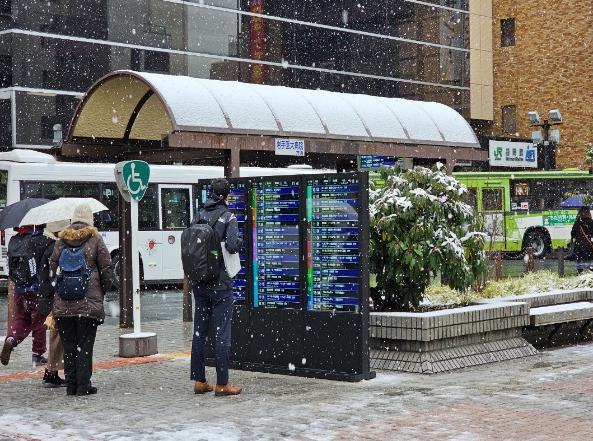
Connected furniture turns public areas into living systems. A smart bench might share real-time data with a nearby digital kiosk, helping commuters find a less crowded bus stop or alerting maintenance crews when a trash bin is nearly full. These small interactions create a feedback loop that makes spaces feel more attentive without demanding anything extra from visitors. The result is a public realm that adapts to human patterns instead of forcing people to adapt to rigid design.
The real value lies in the subtlety. When a planter doubles as a Wi-Fi hotspot or a seat warms itself on a cold morning, technology fades into the background. People don't need to understand the network behind the bench—they just notice the city feels a little more responsive. Over time, these quiet upgrades accumulate, turning ordinary sidewalks into environments that anticipate needs, manage resources efficiently, and make dense urban life slightly more humane.
Off-Grid and On Point: Self-Powered Street Furniture Solutions
Cities keep adding smart benches and digital kiosks that quietly consume grid power, yet the most resilient additions to public space now come with their own built-in energy source. Solar canopies over seating areas do more than shade — they feed batteries that run device charging, ambient lighting, and even local air-quality sensors long after the sun dips. Kinetic floor tiles around transit stops convert footsteps into enough electricity to keep route displays glowing, turning the simple act of walking into a small-scale power plant.
This shift isn't about adding green gimmicks to familiar designs. It's about rethinking street furniture as self-sufficient infrastructure that works when the grid stumbles. A bus shelter with a thin-film photovoltaic roof can keep its e-ink timetable updated during a blackout, while a bench with a hand-crank or pedal option gives people a moment of agency — a few minutes of effort recharges a phone or powers an emergency light. These pieces don't need trenching, wiring, or ongoing utility agreements, which makes them especially useful for parks, boardwalks, and temporary public spaces where permanent power would be costly or impossible.
Maintenance also becomes less of a headache when each unit monitors its own energy input and flags issues before they become breakdowns. Instead of relying on centralized power grids, neighborhoods gain outdoor rooms that are quieter, lighter on municipal budgets, and genuinely usable around the clock. The result is street furniture that feels less like a fixture and more like a working piece of public technology — off-grid, but completely on point.
From Static to Dynamic: Interactive Street Elements That Build Community
For decades, a public bench was just a place to sit, and a sidewalk was nothing more than a path from A to B. But cities are discovering that when street elements invite participation, they stop being background scenery and start acting as social glue. A swing set installed at a bus stop, a chalkboard wall outside a cafe, or a set of oversized musical pipes along a walkway—these are not gimmicks. They are low-cost interventions that turn passive passersby into active participants, and in doing so, they create the small, repeated interactions that make a neighborhood feel like a place rather than a route.
The shift from static to dynamic is often less about technology and more about permission. A plain concrete planter says “look, don’t touch,” while a planter with movable stools and a community herb garden says “stay, pick a leaf, talk to someone.” Interactive elements work because they lower the threshold for connection. Strangers rarely strike up a conversation while waiting for a light to change, but they will team up to solve a puzzle embedded in a crosswalk or compare notes on a rotating public art piece. Each small interaction reinforces the idea that public space belongs to everyone, and that using it is a form of shared ownership.
Of course, not every interactive feature succeeds. The most effective ones are simple, durable, and responsive to local culture. A neighborhood with many families might thrive with a permanent hopscotch grid and a community notice board, while a business district could benefit from movable seating and a rotating display of local artists’ work. The key is to avoid novelty for its own sake. A dynamic street element only builds community if it keeps working over months and years, becoming part of the daily rhythm rather than a one-week curiosity. When that happens, the street stops being a corridor and becomes a living room—one where everyone, however briefly, feels invited to sit down.
FAQ
Real smart street furniture earns that label by adding connectivity and sensing in ways that survive daily abuse—weather, vandalism, heavy use. Think benches with built-in charging that keep working after a power dip, or bins that report fill levels without needing constant resets. The intelligence is in the resilience, not just the sensors.
It comes down to rugged enclosures, redundant power options like solar plus grid tie-in, and modular components that field crews can swap in minutes. Many cities now specify IP65-rated housings and tamper-proof fasteners as a baseline. Remote diagnostics also help catch failures before they become visible problems.
Yes, when it's designed as part of distributed infrastructure. For example, solar-powered hubs with battery storage can keep charging phones and running emergency lighting during grid outages. Digital displays can switch to public safety messaging. The key is not depending on a single central system—resilience comes from local autonomy.
The most useful ones act as neighborhood-scale access points—offering free Wi-Fi, wayfinding, and even community bulletin boards. Instead of just decorating plazas, they become practical reasons for people to stop, meet, and get online. That connectivity can matter a lot in areas where home broadband is limited.
Good designs avoid proprietary lock-in. They use open standards for data exchange, support over-the-air updates, and have modular sensor bays so new capabilities can be added without replacing the whole unit. Maintenance contracts often include hardware refresh cycles, which keeps the investment from aging badly.
The better projects use edge processing so raw video or audio never leaves the device. Only aggregated counts, like foot traffic or waste levels, are transmitted. Clear signage and published data policies also help build trust. People generally accept sensors when they see the benefit and know they're not being recorded.
Cities like London, Singapore, and Barcelona have deployed smart benches and kiosks that reduced litter overflow complaints, improved wayfinding for transit users, and gave small businesses a local digital presence. The payback often comes through operational savings and higher public space usage, not just the technology itself.
Conclusion
Modern cities demand street furniture that pulls double duty—not just standing up to daily wear but actively tuning into the needs of the people who use it. The humble bench has evolved beyond a place to sit; embedded sensors now track microclimate shifts, air quality, and foot traffic, feeding that data back to municipal systems while built-in heating elements keep the seating usable on damp winter mornings. Street lights, meanwhile, have become true urban nodes, integrating Wi-Fi hotspots, EV charging points, and emergency call buttons into a single rugged column. These upgrades aren't gimmicks—they're engineered for all-weather reliability, from corrosion-resistant alloys to sealed enclosures that shrug off driving rain and salt spray.
What really changes the game is connectivity without fragile dependence on the grid. Solar skins and kinetic energy harvesting from footsteps let these installations run off-grid, keeping public spaces served even during blackouts. That resilience feeds into a deeper goal: streets that feel alive. Interactive kiosks, responsive lighting, and game-like crosswalk signals turn passive infrastructure into community touchpoints. People start to see their block as a shared living room, not just a route through. The result is public furniture that doesn't merely survive the city's rhythms—it helps shape them, building resilient, connected places one smart node at a time.
Contact Us
Contact Person: Leo
Email: [email protected]
Tel/WhatsApp: +86 18901905138
Website: https://www.zemsogroup.com/