

Screw Air Compressor for 24/7 Continuous Operation: Key Features and Best Practices
2026-07-18
When your operations demand a screw air compressor that never stops, reliability is non-negotiable. Discover what makes a machine truly fit for 24/7 duty—and why industry leaders trust Seize Air to keep the pressure on, round the clock.
Why Round-the-Clock Operation Demands More Than Just Heavy-Duty Parts
It’s tempting to assume that if a machine is built with the thickest casings and beefiest gears, it’ll keep humming along forever. But round-the-clock operation exposes weaknesses that have nothing to do with raw strength. Vibration patterns shift as temperatures climb, fluid viscosities degrade in ways that static part specifications never anticipated, and tiny misalignments turn into cascading failures when there’s no downtime to catch them. Chasing durability through brute force alone misses the point—long-term endurance is a system-level property, not a materials checklist.
What gets overlooked most often are the thermal and chemical battles happening inside the machine. A gear set rated for extreme loads can still fall victim to oxidation if the oil isn’t formulated for continuous heat cycling. Seals that hold perfectly during intermittent use can cold-flow under constant pressure, creating slow leaks that nobody notices until a bearing runs dry at 3 a.m. Real reliability comes from understanding these micro-failures—the kind that don’t show up in a load chart but write their signatures in wear patterns and noise spectra long before anything breaks.
Then there’s the human side that heavy-duty engineering can’t replace. Operators who know how to interpret a subtle change in sound or feel are often the first line of defense, and their intuition degrades when shifts stretch too long or training gets cut short. Even the best components need a culture that treats early warnings seriously and has contingency steps embedded in daily routine. Without that, the strongest assembly becomes just another time bomb ticking through the graveyard hours.
The Hidden Energy Costs of 24/7 Air Compression (and How to Cut Them)
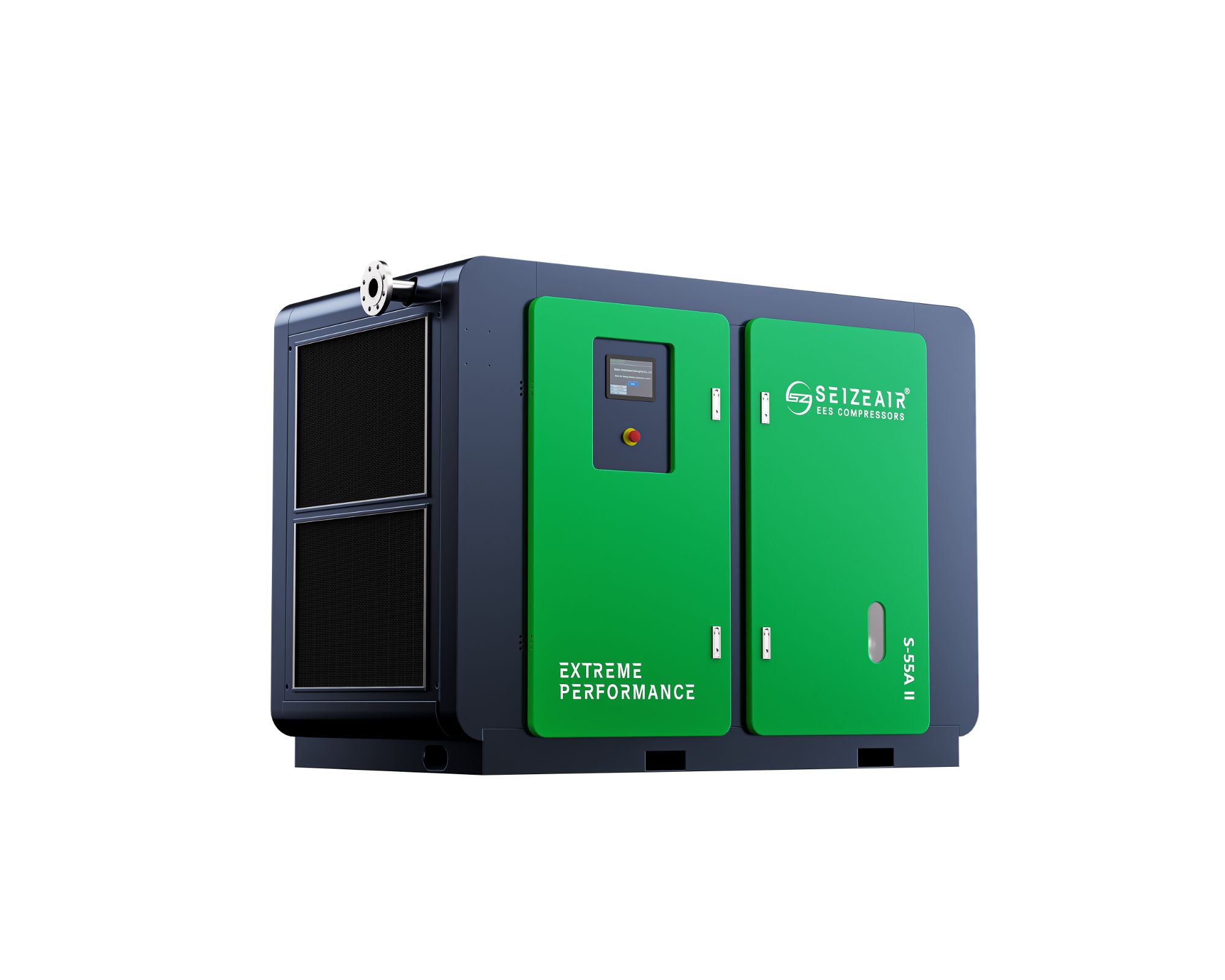
Running an air compressor nonstop might seem like the safest way to ensure production never misses a beat, but this round-the-clock operation quietly eats into your bottom line. Even when demand is low or machines idle, the compressor cycles on and off, drawing significant power just to maintain system pressure. Over months and years, these hidden energy drains turn into substantial utility bills that often go unquestioned because the equipment "has always been run that way."
A big part of the invisible cost comes from leaks—tiny cracks in piping, faulty couplings, or worn seals can waste up to a third of the compressed air produced. Add to that over-pressurization: many systems run at higher PSI than needed "just to be safe," yet every 2 psi increase tacks on about 1% more energy use. In plants with multiple shifts, the compressor might also keep humming during breaks or low-production windows simply because manual controls aren't optimized, leading to unnecessary power draw hour after hour.
Cutting these costs doesn't demand an overhaul overnight. Start with an ultrasonic leak detection survey—fixing a handful of leaks can slash energy loss dramatically. Adjust pressure bands to match the true minimum required at point-of-use, and consider variable speed drives that ramp down motor speed when air demand dips. Even simple changes like shutting down compressors during long idle periods or recycling heat from the compressor for space heating can claw back thousands of dollars a year without disrupting your operation.
Cooling Strategies That Keep Your Screw Compressor Alive at 2 AM
Running a screw compressor at full tilt in the dead of night is a brutal test of its cooling system. Ambient temperatures might dip, but the machine’s internal heat still spikes under sustained load. One practical trick is to stage your cooling fans with variable speed drives that respond not just to discharge temperature, but to the oil sump temp and even the predicted humidity. That way, the fans don’t blast at full speed on a damp 2 AM shift and risk pulling moisture into places it shouldn’t be. Instead, they ramp precisely, balancing heat rejection with the dew point so the oil stays dry and the rotors don’t see thermal shock.
Another under‑discussed angle is the coolant path itself. Many installs rely on a single‑pass water system or an undersized radiator because the spec sheet said it was enough for a 75°F day. But at 2 AM, when the outside air is cooler, the delta‑T across the heat exchanger can drop enough to fool the thermal bypass valve into short‑cycling. We’ve seen compressors run cooler on the gauges but hotter in the compression chamber because the oil was too thick to splash properly. A simple fix is to install a thermostatic mixing valve right after the cooler that recirculates a small amount of hot oil to keep the inlet temperature steady. It sounds counterintuitive—adding heat to a cooling system—but it prevents those low‑temp lubrication gaps that silently score the rotors.
Don’t overlook the late‑night air itself. If your compressor room is closed up and the intake pulls from inside, the cooling medium is already heat‑soaked from the day’s run. Opening a louver or ducting in cooler outdoor air isn’t always an option, so a targeted approach is to place a simple duct booster fan that draws from the coolest part of the building—often near the floor on the north wall. Even a 5°F drop in intake air temperature can shift the compression ratio noticeably, lowering discharge temps and letting the oil cooler breathe. Coupled with a clean‑on‑demand filter system that doesn’t choke at high humidity, these small changes keep the compressor humming without drama well past midnight.
Maintenance Schedules That Don’t Just Check Boxes—They Prevent Midnight Breakdowns
Most maintenance plans look good on paper but fail when it matters most—like 2 a.m. on a freezing factory floor. A schedule built around genuine asset care goes beyond routine tasks; it studies failure patterns, accounts for actual run hours, and adapts to shifting production demands. Instead of blindly following a calendar, it uses real-time data to time interventions precisely when they’re needed, turning reactive chaos into predictable uptime.
This approach means your team spends less time on unnecessary invasive checks that can introduce new problems and more time on targeted, condition-based actions. Lubrication, alignments, and part replacements happen because indicators show it’s time, not just because a calendar date arrived. The result is a drastic drop in those dreaded emergency calls, because potential failures are caught early—weeks before they escalate into unplanned downtime that rips through production targets.
Beyond technology, it’s a mindset shift where every task ties to a reliability goal. Your crew moves from “servicing equipment” to “owning reliability,” and the schedule becomes a strategic asset, not a list to tick off. When everyone understands the “why” behind each inspection, the entire plant runs with a rhythm that feels almost boring—the most profitable kind of boring there is in manufacturing.
Real-World Lessons: What 24/7 Manufacturers Wish They Knew About Screw Compressors
The first hard-learned lesson is that screw compressors are not a “set it and forget it” asset. Many continuous-operation facilities discover too late that ambient conditions, load swings, and maintenance schedules don't follow a textbook. A compressor that runs flawlessly in a climate-controlled test bay can struggle when summer heat spikes or airborne particulates clog filters within days. The compressors that earn their keep in 24/7 settings are the ones backed by a proactive monitoring strategy—not just periodic walk-by checks. Teams that track discharge temperature trends, pressure dew point, and oil carryover in real time catch the subtle shifts that precede catastrophic failure, saving tens of thousands in unplanned downtime.
Another overlooked reality is how system design choices echo for decades. Facilities often install a single large compressor instead of a modular bank, then regret the lack of turndown capability when demand drops on third shift. The start-stop cycling that follows can degrade the airend faster than any technical manual would suggest. Similarly, underestimating the cost of drying and filtration after the fact leads to a patchwork of add-on components that sap efficiency. The operators who thrive are those who treat the compressor room as an integrated system from day one, matching storage volume, dryer capacity, and piping layout to the true load profile rather than a rough estimate.
Perhaps the most universal regret comes from ignoring the human factor. Skilled maintenance teams need far more than a fault-code list; they need to understand the machine’s normal baseline. When a lead tech retires, unwritten knowledge about this particular compressor’s quirks often walks out the door. Smart plants capture that experience through simple digital logs that note subtle changes—a slight increase in current draw, a new vibration pattern—long before alarms trigger. In the end, the factories that get the most out of their screw compressors aren't necessarily the ones with the newest models, but those that blend continuous monitoring with a culture of hands-on, detail-oriented asset care.
Choosing a Compressor That Won’t Quit When the Demand Doesn’t Either
Continuous operation in a high-demand environment can push ordinary compressors past their limits, leading to overheating, excessive wear, and unplanned downtime. A machine built for endurance starts with a robust drive train and oversized cooling systems, but real staying power comes from design choices that match the unit’s capacity to the actual duty cycle. Look beyond peak horsepower ratings and examine the compressor’s ability to run near full load for extended periods without thermal shutdowns. Manufacturers that rate their machines for 100% duty cycle often back that claim with heavy-duty bearings, cast-iron cylinders, and validated temperature management, ensuring the compressor breathes as easily at hour ten as it does at startup.
Demand rarely holds steady in production settings, so the compressor’s control strategy matters as much as its mechanical toughness. Units with variable speed drives can throttle output in real time, reducing energy spikes and mechanical stress when air needs fluctuate, while sequencing controls let multiple compressors share the load without one unit bearing the brunt. A smart controller that monitors pressure, temperature, and runtime hours can protect the system by rotating lead and lag units, preventing any single compressor from accumulating excessive cycles. This not only extends equipment life but also keeps the work environment fed with consistent pressure, even when the demand curve refuses to flatten.
Pushing a compressor into continuous duty without the right maintenance infrastructure is a recipe for hidden failures. The units that survive relentless demand often have accessible service points, onboard diagnostics, and clear preventive maintenance schedules integrated into their design. Air filtration becomes critical—ingesting dirty air wears down internals faster than almost any other factor—so superior sealing and multi-stage filtration are non-negotiable. Combine these with vibration dampening and noise reduction features that also minimize structural fatigue, and you get a compressor that treats round-the-clock operation as baseline, not an emergency. When demand never quits, the machine’s engineering should make that feel like business as usual.
FAQ
Screw compressors are inherently designed for continuous duty because they have fewer moving parts than reciprocating types, reducing mechanical stress. Their rotary motion generates less vibration and heat, and the cooling systems can be scaled for constant heat dissipation. Models built with heavy-duty bearings, oversized coolers, and robust airends specifically target nonstop applications.
Prioritize a compressor with a high-duty cycle rating—ideally 100%—and direct-drive or gearless transmission to minimize wear. Look for integrated dryers and filtration to handle constant moisture loads, advanced control systems that can adjust to varying demands, and remote monitoring capabilities. An oversized aftercooler and stainless steel components in wet areas add durability.
Cooling is critical because continuous operation generates sustained heat that degrades oil and components. An efficient cooling system—whether air or water-cooled—maintains discharge temperatures within safe limits, preventing oil breakdown and thermal stress. In 24/7 setups, coolers must be sized for the worst-case ambient conditions, and airflow pathways need unrestricted clearance to avoid overheating.
Oil and filter changes should follow strict hour-based schedules rather than calendar intervals. Daily checks on condensate drains, inlet filters, and coolant levels become essential. Vibration analysis and thermography can spot bearing or cooling issues early. Keeping a detailed log of pressures, temperatures, and motor amps helps identify gradual changes before they cause a shutdown.
Yes, a VSD allows the compressor to match air production to actual demand, reducing the number of start/stop cycles and idling periods. This lowers mechanical stress on bearings and the motor, and it keeps internal temperatures more stable. For 24/7 operations with fluctuating loads, a VSD often extends service life and cuts energy costs significantly.
Install the compressor in a clean, well-ventilated area with adequate clearance around the unit for airflow and maintenance access. Vibration pads or isolation mounts prevent resonance and structural fatigue. Electrical connections must be oversized to handle continuous full-load current without overheating, and backup systems like redundant compressors or emergency power should be part of the layout.
Continuous operation can overwhelm standard filtration, so a multi-stage treatment train is necessary. This typically includes a water separator, coalescing filter, and desiccant or refrigerated dryer sized for constant flow. Regular draining of receivers and filters is vital to prevent slugs of moisture or oil carryover. Monitoring dew point and pressure drop across filters alerts you to when media needs replacement.
Use synthetic lubricants designed for extended drain intervals and high temperatures. Keep the compressor room clean and dust-free to reduce intake contamination. Program the controller to unload or cycle gently rather than slamming from full load to stop. Train operators to react to minor alarms—like high differential pressure—before they escalate. Finally, schedule periodic inspections of the airend clearances and motor alignment to catch wear before it becomes critical.
Conclusion
Operating a screw air compressor around the clock places relentless stress on every component, and it’s the unseen vulnerabilities that often cause failure. While robust bearings and reinforced airends are essential, true reliability in nonstop use comes from design choices that anticipate thermal cycling, load fluctuations, and minute-by-minute wear. For instance, a compressor might survive a 16-hour shift easily, but at 3 a.m. when ambient temperatures drop and demand spikes unpredictably, subpar cooling or undersized oil reservoirs reveal themselves. Smart manufacturers focus on adaptive control systems that modulate motor speed and cooling fan activity based on real-time conditions, not just preset thresholds. They also integrate redundancy for critical sensors and prioritize oversized aftercoolers, so the machine never runs at its thermal limit. It’s not about brute force; it’s about finesse—building a system that breathes with the demand rather than fighting it.
The hidden energy drain from continuous operation can dwarf initial purchase savings within months. Many plants overlook how part-load inefficiency, pressure band hunting, and unoptimized storage silently inflate power bills. Best-in-class facilities combine variable-speed drives with large receiver tanks and demand-side controls to flatten consumption peaks. Maintenance, too, shifts from calendar-based rituals to condition-based vigilance: vibration analysis, oil sampling, and dew point monitoring become the frontline defense against 2 a.m. breakdowns. Real-world lessons from 24/7 operations emphasize that the cheapest compressor rarely survives the long haul—investments in smart monitoring, proactive parts replacement, and staff training pay back exponentially. Ultimately, choosing a compressor for endless duty means looking beyond spec sheets to the ecosystem of support, from responsive service networks to detailed failure mode documentation, ensuring the machine doesn’t just run today, but keeps humming through every midnight shift for years.
Contact Us
Contact Person: Mia
Email: [email protected]
Tel/WhatsApp: +86 19821985894
Website: https://www.seize-air.com