

SF₆ Gas Circuit Breaker Supplier: Essential Insights and Key Considerations
2026-01-06
When selecting an SF₆ gas circuit breaker supplier, the stakes are high—your choice impacts safety, reliability, and operational efficiency in critical electrical systems. At Lugao, we understand the nuances of this essential component and are here to guide you through the key considerations that set top suppliers apart. In this blog, we dive into the must-know insights to help you make an informed decision, combining expert analysis with real-world applications. Whether you're managing industrial grids or upgrading utility networks, discover how partnering with the right supplier can transform your electrical infrastructure. Stay tuned as we explore cutting-edge technologies, regulatory standards, and practical tips tailored for professionals like you.
Understanding SF₆ Gas Properties in Circuit Breakers
When delving into the mechanics of modern high-voltage circuit breakers, sulfur hexafluoride (SF₆) stands out due to its unique electrical and thermal characteristics. Unlike air or oil, SF₆ is an inert, non-flammable gas that exhibits exceptional dielectric strength, approximately three times higher than air at atmospheric pressure. This property enables circuit breakers to operate efficiently at higher voltages while maintaining a compact design, reducing the physical size and cost of insulation systems. Additionally, SF₆'s high thermal conductivity allows for effective heat dissipation during arc interruption, which is crucial for preventing equipment damage and ensuring reliable performance in demanding applications.
Moreover, SF₆'s arc-quenching capabilities are a key factor in its widespread adoption. During fault conditions, when an electric arc forms, SF₆ rapidly deionizes the arc path, facilitating quick extinction and minimizing contact erosion. This process is enhanced by the gas's ability to recover dielectric strength swiftly after arc extinction, reducing the risk of restrikes and improving overall system stability. Its chemical stability under normal operating temperatures further contributes to long service life, though it requires careful handling due to environmental concerns, such as its high global warming potential, which has led to the development of alternative gases and stricter regulations in recent years.
In practice, the use of SF₆ in circuit breakers involves careful design considerations to optimize its properties. For instance, pressure and purity levels are meticulously controlled to maintain dielectric integrity and arc-quenching efficiency. Advanced monitoring systems are often integrated to detect leaks or degradation, ensuring safe and sustainable operation. As the industry evolves, ongoing research focuses on balancing SF₆'s technical advantages with environmental impacts, exploring hybrid solutions or refined gas mixtures that retain performance while mitigating ecological effects, reflecting a shift toward greener power infrastructure.
Key Supplier Selection Criteria for SF₆ Breakers
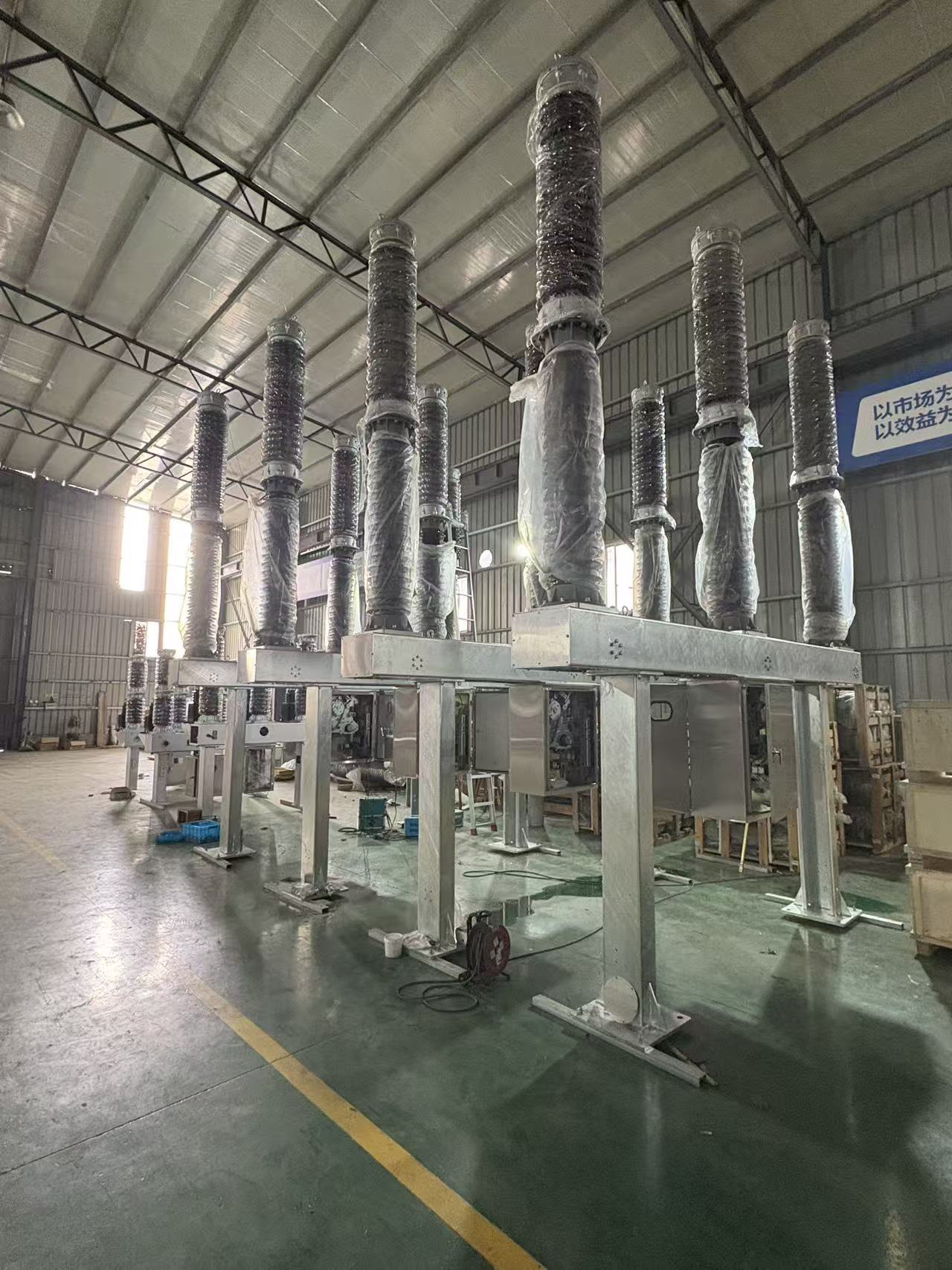
When selecting suppliers for SF₆ circuit breakers, reliability becomes a non-negotiable factor. These breakers are critical for high-voltage power systems, and any failure can lead to costly downtime or safety hazards. It's wise to dig beyond basic product specs—look into the supplier's history in the industry, their participation in major grid projects, and any third-party certifications that validate performance under extreme conditions. Don't just take their word for it; request case studies or references from other utilities that have relied on their equipment over the long haul.
Pricing often gets the spotlight, but it's the total cost of ownership that matters more in the long run. Consider not only the initial purchase price but also maintenance costs, energy efficiency, and the availability of spare parts. A slightly higher upfront cost might be justified if the breaker offers lower loss rates or comes with a robust service agreement that reduces lifecycle expenses. Also, factor in environmental compliance costs, as SF₆ is a potent greenhouse gas, and regulations on its use are tightening globally. Suppliers who provide solutions for leak detection or alternative gases might offer better value over time.
Supplier support and after-sales service can make or break your experience. Choose companies that offer comprehensive training for your technical staff, fast response times for repairs, and clear communication channels. It's helpful to assess their global or regional presence—if you operate in multiple locations, a supplier with a widespread service network can ensure timely assistance. Ultimately, building a partnership with a supplier who understands your specific needs and can adapt to changing grid demands will pay off in operational stability and reduced risks.
Installation and Commissioning Best Practices
Getting your equipment up and running smoothly starts with smart planning. Before you even unpack a single component, it's crucial to review the site thoroughly. Check for things like proper ventilation, stable power sources, and safety clearances that can save you headaches later. Every installation team should take the time to walk through the process step by step, identifying potential bottlenecks and discussing responsibilities. Skipping this stage might seem like a time-saver, but it often leads to costly delays and mistakes. Remember, a well-thought-out approach sets the foundation for a successful handover.
During the physical installation, attention to detail can't be overstated. Using calibrated tools and following manufacturer guidelines isn't just about ticking boxes—it's about ensuring long-term reliability. Many technicians have stories of small oversights, like loose connections or misaligned parts, that caused major issues down the line. Regular checks and peer reviews during assembly help catch these errors early. Keeping a clean, organized workspace also minimizes risks and improves efficiency. This phase is where precision pays off, turning a collection of parts into a functional unit ready for testing.
Commissioning is where the real magic happens, as you bring the system to life. Start with a methodical testing sequence, from basic power-ups to full operational trials. Documenting every test result and adjustment creates a valuable record for future maintenance. Don't rush through this part; instead, use it to verify that everything performs as intended under various conditions. Engaging operators early in the process ensures they're familiar with the equipment and its quirks. A thorough commissioning phase not only confirms functionality but also builds confidence in the new setup, paving the way for seamless daily use.
Maintenance Protocols and Safety Considerations
Keeping your equipment in top shape isn't just about ticking boxes on a checklist; it's a proactive step toward ensuring smooth operations and preventing costly downtime. Regular maintenance protocols should include scheduled inspections, lubrication, and calibration tailored to the specific machinery and usage patterns. For instance, in industrial settings, implementing predictive maintenance with vibration analysis or thermal imaging can help identify issues before they escalate, saving both time and resources.
Safety, on the other hand, is non-negotiable and extends beyond mere compliance with regulations. When planning maintenance tasks, always assess potential hazards and establish clear procedures, such as lockout/tagout systems to control energy sources. Providing staff with proper training and personal protective equipment not only reduces accident risks but also fosters a culture where safety is ingrained in daily routines.
To truly stand out, blend these protocols with a holistic approach. Consider environmental factors like dust or moisture that could impact equipment longevity, and incorporate contingency plans for unexpected failures. By integrating intuitive digital tools for tracking maintenance logs and safety alerts, you can create a resilient system that adapts to real-world challenges.
Environmental Impact and Sustainable Alternatives
When we consider the environmental impact of everyday products and practices, it's often the hidden costs that catch us off guard. From the carbon footprint of manufacturing to the waste generated after use, these factors silently shape our planet's health. For instance, single-use plastics not only clog landfills but also leach harmful chemicals into ecosystems, affecting wildlife and water sources. This ripple effect underscores the urgency to rethink our consumption habits, pushing for solutions that minimize harm while meeting our needs.
In response, sustainable alternatives are emerging as powerful tools for change. Materials like bamboo, recycled metals, and bioplastics offer durability without the ecological baggage of their traditional counterparts. Beyond products, innovations in energy efficiency—such as solar panels or wind turbines—are transforming industries by reducing reliance on fossil fuels. By adopting these options, we not only cut down on pollution but also foster a circular economy where resources are reused and recycled, creating a more resilient future.
Ultimately, embracing sustainable alternatives is more than a trend; it's a necessary shift toward long-term stewardship. Small actions, like choosing reusable bags or supporting eco-friendly brands, add up to significant collective impact. As awareness grows, so does the potential for positive change in every corner of the globe.
Cost-Benefit Analysis and Long-Term Reliability
When evaluating any project or investment, conducting a thorough cost-benefit analysis is crucial for making informed decisions. This process involves comparing the projected costs against the anticipated benefits, allowing stakeholders to gauge whether the endeavor is financially viable. By quantifying both tangible and intangible factors, you can identify potential savings, revenue streams, and risks, ensuring resources are allocated efficiently.
Beyond the immediate financial outlook, prioritizing long-term reliability is essential for sustainable success. Reliability encompasses aspects like durability, performance stability, and minimal maintenance over time. Investing in robust systems and quality materials might incur higher upfront costs, but it often leads to lower total cost of ownership, reduced downtime, and enhanced trust from clients or users.
Together, these elements form a comprehensive framework for decision-making. A well-executed cost-benefit analysis paired with a focus on long-term reliability helps avoid short-sighted choices that could lead to costly failures, fostering resilience and competitive advantage in the long run.
FAQ
Key factors include the supplier's technical expertise, compliance with international standards like IEC and ANSI, reliability of their products, after-sales support, and their ability to provide customized solutions based on specific grid requirements.
High-purity SF₆ gas ensures effective insulation and arc quenching, reducing wear and maintenance needs. Suppliers should guarantee gas quality through rigorous testing and certification, as impurities can lead to decreased efficiency and safety risks.
Such suppliers ensure products meet safety and performance standards, reducing downtime and operational risks. Certification from bodies like UL or ISO validates durability and compliance, giving confidence in long-term reliability.
Innovation leads to more efficient, compact, and environmentally friendly designs. Suppliers investing in R&D help clients adapt to evolving grid demands, such as integrating smart monitoring features or reducing gas emissions.
Look for 24/7 technical support, availability of spare parts, on-site training, and proactive maintenance plans. A strong service network minimizes disruptions and extends equipment lifespan.
Suppliers must comply with regulations like the F-Gas Regulation in the EU, which restricts SF₆ usage. Choosing a supplier with eco-friendly alternatives or efficient gas-handling processes ensures legal compliance and sustainability.
Avoid focusing solely on price, neglecting supplier reputation, overlooking compatibility with existing systems, and failing to verify claims through references or case studies. Always assess long-term value over initial costs.
Conclusion
When selecting an SF₆ gas circuit breaker supplier, it's crucial to first grasp the unique properties of SF₆ gas, such as its excellent dielectric strength and arc-quenching capabilities, which directly influence breaker performance and safety. Suppliers should be evaluated based on stringent criteria, including technical expertise, product quality certifications, and adherence to industry standards, ensuring reliable operation under varying electrical loads. Additionally, the chosen supplier must provide comprehensive support for proper installation and commissioning, following best practices to optimize functionality and minimize risks during setup. Beyond initial deployment, ongoing maintenance protocols are vital; suppliers should offer clear guidelines for regular inspections, leak detection, and safe handling procedures to prevent hazards like gas emissions or equipment failure, emphasizing worker safety and operational continuity.
Environmental considerations are increasingly paramount, so suppliers should also address the impact of SF₆, a potent greenhouse gas, by promoting responsible usage and exploring sustainable alternatives like eco-friendly gases or hybrid technologies to reduce ecological footprints. A thorough cost-benefit analysis is essential, balancing upfront expenses with long-term reliability and life-cycle costs, as investing in high-quality breakers from reputable suppliers often leads to lower downtime and fewer repairs over time. By integrating these insights—from gas properties and supplier selection to installation, maintenance, and environmental factors—stakeholders can make informed decisions that enhance electrical system resilience, ensure compliance with regulations, and support sustainable energy infrastructure, ultimately fostering a safer and more efficient power grid.
Contact Us
Contact Person: Doreen
Email: [email protected]
Tel/WhatsApp: 8618057712366
Website: https://www.liugaopower.com/