

TFT LCD Display Technology in China: Innovations and Market Trends
2026-03-27
Welcome to Jingda-Display's insightful exploration of TFT LCD display technology in China, where innovation meets opportunity. As a global leader in display solutions, Jingda-Display is uniquely positioned to guide you through the dynamic shifts and groundbreaking advancements shaping this industry. In recent years, China has emerged as a powerhouse of technological development, driving new trends and pushing the boundaries of what's possible with TFT LCDs. This blog delves into the cutting-edge innovations, market dynamics, and future outlook that make this field so captivating. Whether you're an industry professional, tech enthusiast, or simply curious about the displays powering our digital world, join us as we uncover the stories behind the screens and what lies ahead for this transformative technology.
Advancements in TFT LCD Manufacturing Processes in China
In recent years, China has made significant strides in TFT LCD manufacturing, largely driven by substantial investments in research and infrastructure. For example, companies like BOE and CSOT have pioneered new production techniques that increase panel resolution and color accuracy while reducing power consumption. This progress is often attributed to collaborative efforts between academic institutions and industry leaders, resulting in innovations such as oxide TFT technology that enhances display performance for high-end devices.
Another key advancement lies in the automation and precision of manufacturing lines, which has improved yield rates and lowered production costs. Chinese factories now utilize advanced lithography and etching processes to create thinner, more flexible displays, catering to the growing demand for foldable and curved screens in smartphones and televisions. These developments position China as a competitive player in the global market, challenging traditional leaders from South Korea and Japan with faster turnaround times and scalable solutions.
Looking ahead, China is focusing on eco-friendly practices and next-generation materials, such as quantum dot and Mini-LED integrations, to further enhance TFT LCD capabilities. This shift not only addresses environmental concerns but also opens new applications in areas like automotive displays and large-scale digital signage, showcasing a commitment to continuous innovation rather than merely replicating existing technologies.
Key Players Shaping the Chinese TFT LCD Market
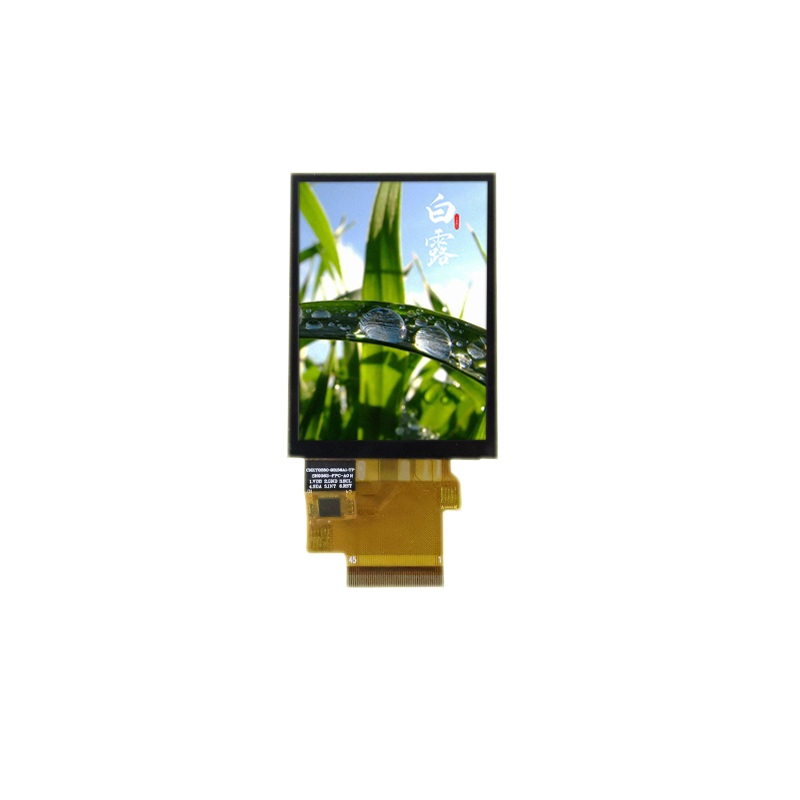
The landscape of China's TFT LCD market is dominated by a handful of major domestic manufacturers, each bringing distinct strengths to the table. Companies like BOE have risen to global prominence, not just by scaling up production, but through aggressive investments in advanced technologies such as OLED and flexible displays, which complement their TFT LCD offerings. Meanwhile, players like TCL CSOT leverage vertical integration with consumer electronics, ensuring steady demand and driving innovation tailored to end-user products. Their strategies often involve forming strategic alliances and tapping into government support, creating a robust ecosystem that challenges international competitors on both cost and capability.
Beyond the giants, the market is enriched by specialized firms focusing on niche segments, adding layers of diversity and resilience. For instance, Tianma Microelectronics excels in high-precision displays for automotive and industrial applications, carving out a loyal customer base that values reliability over sheer volume. This fragmentation allows the industry to adapt quickly to shifting trends, such as the surge in demand for medical displays during recent health crises. Such agility is further fueled by a vibrant network of suppliers and research institutes, which collaborate closely with manufacturers to refine production techniques and reduce reliance on imported components.
Looking ahead, these key players are steering the market toward sustainability and smart integration, setting it apart from more conventional hubs. Innovations in energy-efficient panels and recyclable materials are becoming focal points, driven by both regulatory pressures and consumer awareness. Additionally, the integration of AI and IoT functionalities into display units is transforming TFT LCDs from mere viewing screens into interactive hubs, a trend spearheaded by firms like Hisense in smart home applications. This forward-thinking approach not only secures China's position in the global supply chain but also redefines what a display market can achieve beyond mere manufacturing.
Innovative Applications Driving Growth in China's Display Sector
China's display sector is experiencing a surge in growth, fueled by a wave of innovative applications that go beyond traditional screens. From foldable smartphones to immersive augmented reality experiences in retail, these technologies are reshaping consumer and industrial landscapes. This dynamism is attracting significant investment from both domestic tech giants and global players, pushing the boundaries of what displays can do.
In particular, automotive displays and smart city integrations are emerging as key growth drivers, with advanced heads-up displays and interactive public kiosks becoming more commonplace. These applications leverage cutting-edge technologies like OLED and micro-LED, which offer enhanced durability and energy efficiency, crucial for diverse environments. The shift towards more interactive and context-aware displays is creating new market opportunities and boosting production capacities across the country.
Moreover, the healthcare and education sectors are adopting advanced display solutions for telemedicine and virtual classrooms, further expanding the sector's reach. This diversification into high-value niches not only drives revenue but also fosters innovation ecosystems, encouraging collaboration between startups and established firms. As these trends continue, China is positioning itself at the forefront of global display technology advancements.
Market Trends: Demand Shifts for TFT LCDs in China
In recent years, the Chinese market for TFT LCDs has experienced significant transformations, driven by evolving consumer preferences and rapid technological advancements. As the global leader in electronics manufacturing, China's demand for these displays is increasingly influenced by the growth of sectors such as automotive infotainment, smart home devices, and industrial automation. This shift reflects a broader move towards more integrated and high-resolution visual solutions, pushing manufacturers to innovate beyond traditional consumer electronics applications.
Amidst these changes, regional economic policies and environmental regulations are also playing a pivotal role in shaping demand patterns. For instance, government initiatives promoting energy-efficient technologies have spurred interest in TFT LCDs with lower power consumption, especially in urban areas focusing on sustainability. Additionally, the rise of domestic brands competing with international players has intensified the market, leading to more tailored product offerings that cater specifically to local tastes and emerging niche markets, such as educational technology and healthcare diagnostics.
Looking ahead, analysts predict that the demand for TFT LCDs in China will continue to diversify, with a notable uptick in specialized uses like wearable tech and augmented reality interfaces. This evolution underscores the importance of agility in supply chains and R&D investments, as companies strive to keep pace with shifting consumer behaviors and the fast-evolving digital landscape. By staying attuned to these trends, stakeholders can better navigate the complexities of this dynamic market segment.
Research and Development Breakthroughs in Chinese Display Technology
China's display technology has surged forward with innovations that redefine visual experiences, moving beyond mere screen manufacturing to pioneer next-generation solutions. Recent advancements in OLED and Micro-LED panels have enabled thinner, more energy-efficient displays with superior color accuracy and contrast ratios, challenging global competitors. Companies like BOE and TCL CSOT are leading this charge, investing heavily in R&D to perfect flexible screens for foldable devices and transparent displays for augmented reality applications.
A key breakthrough lies in the development of quantum dot and Mini-LED technologies, which enhance brightness and color gamut without significantly increasing power consumption. This has been crucial for applications in high-end televisions, automotive displays, and medical imaging, where clarity and reliability are paramount. Research institutions across China are collaborating with industry players to optimize production processes, reducing costs while maintaining high quality, thus accelerating the adoption of these cutting-edge displays in consumer electronics.
Looking ahead, Chinese efforts are focusing on integrating AI and IoT capabilities into displays, enabling smarter, interactive surfaces that adapt to user needs. Innovations in touchless interfaces and holographic projections hint at a future where displays are not just passive screens but dynamic hubs of interaction. This holistic approach to R&D ensures that China remains at the forefront of display technology, driving trends that could reshape industries from entertainment to healthcare.
Global Impact of China's TFT LCD Industry Evolution
China's TFT LCD industry has undergone a transformative evolution over the past few decades, dramatically reshaping the global electronics landscape. From its early days as a minor player reliant on imports, China has surged to become the world's leading producer, with companies like BOE and CSOT driving innovation and economies of scale. This shift has not only altered supply chain dynamics, making China a central hub for display manufacturing, but also intensified competition, pushing international firms to accelerate their own technological advancements to stay relevant in an increasingly crowded market.
Beyond manufacturing dominance, China's TFT LCD evolution has spurred significant technological and economic ripple effects worldwide. The country's aggressive investment in research and development has led to breakthroughs in areas like flexible and high-resolution displays, which are now integral to smartphones, televisions, and automotive interfaces globally. Economically, this growth has fostered job creation and infrastructure development in regions like the Pearl River Delta, while also influencing global pricing trends, making advanced displays more accessible to consumers everywhere, albeit sometimes at the expense of profit margins for competitors.
Looking ahead, the ongoing evolution of China's TFT LCD industry continues to present both challenges and opportunities on the global stage. Environmental concerns related to production processes and resource consumption are prompting scrutiny and calls for sustainable practices. Simultaneously, as China expands into next-generation technologies like OLED and MicroLED, it sets new benchmarks for innovation, potentially redefining industry standards and fostering international collaborations that could mitigate trade tensions and spur further cross-border advancements in display technology.
FAQ
Chinese companies have pioneered advancements like flexible OLED integration in TFT LCDs for foldable devices, along with high-refresh-rate panels ideal for gaming monitors and smartphones, enhancing both performance and energy efficiency.
Over the past decade, China's TFT LCD market has grown through increased domestic production and global partnerships, with current trends focusing on mini-LED backlighting for improved contrast and expanding use in automotive displays and smart home applications.
Chinese manufacturers face intense competition from established global players and intellectual property hurdles. They're tackling this by investing heavily in R&D for next-gen materials and forming strategic alliances to boost their market presence and innovation.
Companies like BOE, TCL CSOT, and Tianma are at the forefront, with BOE developing ultra-high-resolution panels for TVs and Tianma producing advanced automotive displays that feature enhanced durability and touch sensitivity.
The adoption is driving growth in consumer electronics through sleeker, more responsive devices, while in healthcare, it enables high-precision medical monitors and diagnostic tools that improve patient care and operational efficiency.
Future advancements likely include rollable displays and more eco-friendly manufacturing processes. These innovations could solidify China's role as a major player, potentially shifting global supply chains and setting new industry standards for performance and sustainability.
Conclusion
China's TFT LCD industry has made significant strides through advancements in manufacturing processes, enhancing efficiency and reducing costs. Key players, including leading manufacturers and tech firms, are shaping a dynamic market landscape. Innovations in display applications, such as flexible screens for smartphones and high-resolution panels for automotive and medical devices, are driving substantial growth in the sector. Research and development breakthroughs have led to cutting-edge technologies, with Chinese companies investing heavily in next-generation solutions. These efforts are positioning China as a global powerhouse in display technology.
Market trends indicate a shift in demand for TFT LCDs, with increasing focus on energy-efficient and eco-friendly products. China's evolving industry is not only meeting domestic needs but also exerting a strong global impact, influencing supply chains and competition worldwide. Overall, the integration of manufacturing improvements, strategic players, and innovative applications underscores China's rapid progress and competitive edge in the TFT LCD market, setting the stage for continued expansion and technological leadership.
Contact Us
Contact Person: Vincent
Email: [email protected]
Tel/WhatsApp: 86 135 5485 1379
Website: https://www.jda-display.com/