

Top 10 Sewer Drain Cleaning Equipment Factories You Should Consider
2026-11-16
Most sewer drain cleaning equipment decisions still happen through word of mouth, outdated catalogues, or last-minute panic when a line backs up. That’s a costly way to buy. To cut through the noise, we looked at real factory capabilities—build quality, pressure ratings, nozzle compatibility, and after-sales support—and narrowed down 10 names you should actually consider. Among them, AMJET stands out for its focus on high-pressure jetting systems that handle tough municipal and commercial jobs. Here’s the list and why each factory made it.
Checking a Factory's Credentials Without Getting Lost in Paperwork
Start with the basics that actually matter: business licenses, export permits, and any sector-specific certifications the factory claims to hold. Ask for scans of the original documents, not just summaries or translated versions. A quick cross-check of the license number against the issuing authority's database can reveal whether the factory is still active or if there are pending violations. This step alone filters out a surprising number of middlemen posing as direct manufacturers.
If the paperwork feels overwhelming, focus on the two or three certificates that directly affect your product category. For example, a textile factory might need a valid environmental discharge permit, while an electronics assembler should have recent safety test reports. Don't get sidetracked by wall-mounted awards or ISO certificates with vague scopes. Instead, ask for the audit report behind the certificate. Legitimate factories can usually provide the full report, not just the glossy cover page.
Finally, compare the registered address on the license with the actual production address. A mismatch isn't always a red flag, but it needs a clear explanation—like a separate registered office in a different city. When in doubt, request a short video call walking through the production floor while showing the factory's name on a sign or equipment. That real-time glimpse often does more to confirm credentials than an entire folder of scanned documents.
Why the Production Floor Tells You More Than Any Brochure
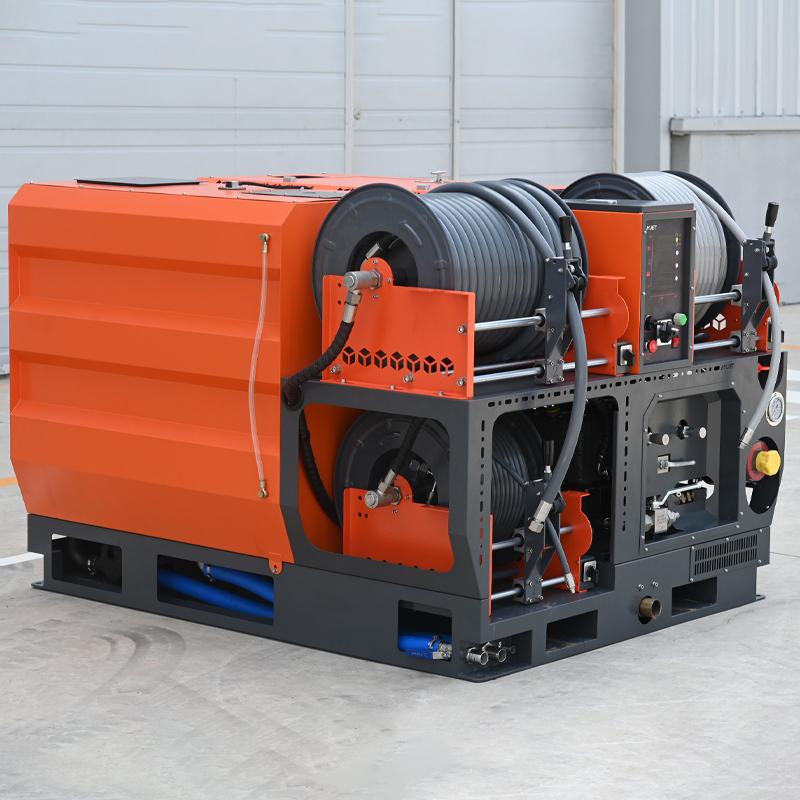
A brochure can be airbrushed, staged, and edited until it reads like a vision statement. Walk onto a real production floor and none of that holds up. You notice the worn tape marking forklift lanes, the handwritten notes taped to a control panel, the way a line operator pauses to reset a sensor without calling for help. Those details never make it into marketing photos, but they tell you exactly how the place actually runs.
The truth of a manufacturer is in its material flow and problem-solving rhythm. If carts of half-finished units sit in limbo while managers point to a lean poster on the wall, the brochure is just decoration. On a healthy floor, work moves with a quiet predictability: parts arrive when they should, operators flag issues early, and supervisors jump in to fix root causes rather than assign blame. You can see that in ten minutes of standing quietly.
Next time you are evaluating a supplier or partner, skip the conference room and ask for a floor walk. The scratches on a machine, the condition of tooling, the way people look at you when you ask a question—it adds up to a story no glossy PDF can match.
When Standard Models Fall Short: Customization That Works
Off-the-shelf solutions often carry the quiet assumption that every business bends the same way. Yet in practice, a tool built for the average case starts to creak when your workflow doesn't match the demo. Maybe your approval chain has an extra loop, or your customer data lives in a format no default field can hold. Trying to force those quirks into a rigid model usually ends with workarounds stacked on workarounds, and a sense that the software is fighting you more than helping.
Customization, done thoughtfully, isn't about adding endless toggles. It's about reshaping the foundation so the tool mirrors how your team already thinks. That might mean letting a support queue route by product line instead of region, or allowing a single invoice to split across cost centers without exporting to a spreadsheet. The best custom builds feel invisible—they simply remove the friction that generic setups accept as normal.
The real shift happens when you stop asking "What can this tool do?" and start asking "What should it do for us?" A well-tuned system saves the hours that used to leak into manual fixes, but more importantly, it stops people from developing their own shadow processes just to get through the day. Customization works when it makes the standard model disappear into the background, leaving only the smooth path your work was always meant to follow.
Shipping, Tariffs, and the Real Cost of Distance
The price tag on a container that leaves Shanghai doesn't tell you much about what it costs to get that box to a warehouse in Ohio. Ocean freight rates swing wildly—sometimes falling below $2,000 per forty-foot unit, sometimes spiking past $20,000 when a canal gets blocked or a port backs up. But even those numbers miss the quieter expenses: the trucking wait time at the terminal, the extra inventory carried just in case a vessel is late, the customs broker's fee for filing paperwork that could have been digital a decade ago.
Tariffs get more attention because they're easier to see on an invoice. A 25 percent duty on steel or a 10 percent charge on consumer electronics feels concrete. Yet once a tariff is imposed, its effects ripple in ways that don't show up on any line item. Suppliers shift sourcing to countries with lower duties but longer lead times, which means more goods in transit at any moment. Factories hold raw materials longer, tying up cash. Some importers simply absorb the extra cost for months to avoid annoying customers, then suddenly raise prices when a contract renews.
Distance itself is the least understood variable. Shipping a product from Vietnam instead of Mexico might save pennies on labor, but those pennies evaporate if the transit time jumps from five days to five weeks. The real cost of distance includes the cost of being wrong—of forecasting demand months in advance instead of weeks, of missing a season because a ship sat outside Long Beach for three weeks, of paying a premium to air-freight something that should have gone by sea. Until companies price that uncertainty honestly, they're just guessing at what global trade actually costs.
Reading Between the Lines of Warranty and Service Agreements
Most people fold up a warranty card and never look at it again until something breaks. That's exactly when the real terms surface, often buried in clauses that sound reassuring but carry narrow limits. The promise of "lifetime coverage" might only apply to specific components under exact conditions, while labor costs or shipping fees quietly fall outside the scope. Reading closely means noticing what is not said: the exclusions, the required maintenance records, and the deadlines for reporting a defect.
Service agreements can be even trickier because they mix legal language with customer-friendly phrasing. A sentence like "we will repair or replace at our discretion" gives the company room to choose the cheapest option, while "normal wear and tear" might be defined so strictly that almost any failure qualifies. Pay attention to transferability, cancellation terms, and whether software updates are included. If a clause feels vague, ask for written clarification before signing — a lack of definitions often works against the buyer.
Finally, watch for arbitration requirements and class action waivers tucked near the end. These can limit your options if the company refuses to honor the agreement. Keep a dated copy of the original terms, along with any emails or receipts for required maintenance. The difference between a warranty that actually protects you and one that only sounds good often comes down to a few precise words that most people skip.
New Tech in Drain Cleaning Machines That Actually Delivers
Many drain cleaning tools promise breakthroughs, but most still rely on the same rotating cables and basic water jets from decades ago. The real shift happening now comes from machines that combine high-resolution pipe inspection with adaptive pressure control. Instead of guessing where a blockage sits or how stubborn it is, these units map the pipe wall in real time, then adjust water force and nozzle angle on the fly. That means fewer repeat visits and far less guesswork for plumbers who are tired of opening walls just to find the problem was six feet further down.
Another practical upgrade is the move toward cordless, brushless motor designs that weigh noticeably less than older gas or corded models. The best new machines pair that portability with smart torque sensors that stop the cable before it kinks or snaps inside a line. You get the power of a heavy-duty drum machine without the back strain or expensive cable replacements. These aren't gimmicks—they're the kind of engineering changes that show up in how fast a crew can clear a main line and move to the next job.
Battery technology has also matured to the point where a drain cleaner can run a full day’s worth of root cutting and grease removal on two swappable packs, with consistent flow and pressure that doesn't sag halfway through. Add in hose reels that auto-retract with a foot pedal and quick-connect nozzles that don’t require tools, and the time savings become obvious. For anyone who actually runs these machines daily, the difference isn’t about flashy screens—it’s about finishing three service calls in the time two used to take.
FAQ
Most of them focus on electric drain augers, sectional cable machines, and high-pressure water jetters. Some also build trailer-mounted jetting units for municipal work, while a few specialize in compact drum machines for residential service calls.
Ask about their in-house machining and welding capabilities. A serious manufacturer will have CNC lathes, laser cutters, and a dedicated quality control area. Request photos of the production floor, not just finished units. Also check whether they perform load testing on cables and pressure testing on hoses before shipping.
Drums and frames are usually powder-coated steel or stainless steel for corrosion resistance. Cables should be oil-tempered spring steel with a wound core, not solid rod. Hoses for jetters need to handle at least 4,000 psi burst pressure, and nozzles should be hardened stainless or ceramic. Cheaper zinc or plastic fittings are a red flag.
Yes, most will adjust motor voltage, frequency, and plug types to match your local power grid. They can also extend cable lengths, change drum capacity, or add different nozzle kits. Just be clear about your target market and typical pipe diameters, because a factory that mainly builds 50 Hz machines for Europe may need extra time to source 60 Hz motors.
Direct factory orders work well for bulk spare cables, nozzles, and replacement motors. For urgent breakdowns, a local distributor is faster, but you will pay a markup. Many contractors keep a few factory-direct spare parts kits on hand, especially for the most common failure points like foot switches, drive belts, and jetting hoses.
Look for ISO 9001 as a baseline for quality management. If they export to North America, ask for UL or CSA certification on electrical components. For the European market, CE marking is mandatory. Some factories also have RoHS compliance for electronic controls, but the key is to verify the certificates are still valid and cover the actual product line, not just the company name.
Most factories pack each unit in a plywood crate with foam or air-cushion protection. Jetters with gas engines are drained of fuel before shipping. Expect to pay extra for customs documentation and port handling. If you order multiple units, they can load a 20-foot or 40-foot container. Always confirm the Incoterms—FOB and CIF are common, but CIF gives you a clearer total landed cost.
Standard models can ship in 15 to 30 days after deposit, depending on the factory's production queue. Customized voltage or branding might add two to three weeks. During peak seasons—usually spring and early summer—lead times stretch to 45 days or more. Always ask for a written production schedule with a firm completion date, not just an estimate.
Conclusion
Sorting through sewer drain cleaning equipment suppliers is rarely straightforward, and the factories that make the shortlist tend to share a few quiet strengths. Rather than drowning in certificates, a quick cross-check of export licenses, ISO updates, and any safety marks against the equipment's actual serial plates often tells you more than a binder full of photocopies. Then there's the shop floor itself: a factory that keeps assembly stations organized, tests each motor under load, and tracks weld quality with simple gauges is usually the one whose brochure was not written by a marketing team. Customization also matters more than most buyers expect. Standard drum sizes and cable lengths are fine for routine jobs, but odd pipe diameters or low-clearance municipal vaults often force compromises unless the factory can adjust frames, reels, or power feeds without charging like a bespoke boutique.
Distance hides costs beyond freight. Tariff classifications, port fees, and inland trucking from the dock can swing a quote by fifteen percent, so a good factory helps you lock in Incoterms and packaging that survives salt spray and rough handling. Warranties deserve the same scrutiny: a five-year frame warranty means little if the motor brushes and clutch assembly are excluded and the service center is ten time zones away. The better contracts spell out spare parts availability, response windows, and whether a local distributor can handle warranty labor. Finally, the new technology that actually delivers is quieter than the hype. Brushless motors that hold torque under load, auto-feed mechanisms that reverse before kinking the cable, and sealed control boards that shrug off water and grease are the kind of upgrades that cut callbacks. Factories that invest in those details, not just in glossy catalogs, are the ones worth putting on your list.
Contact Us
Contact Person: Mike
Email: [email protected]
Tel/WhatsApp: +86 19545555505
Website: https://www.amjeting.com/