
Top Textured Geomembrane Applications and Benefits for Modern Engineering Projects
2026-08-11
In the world of modern engineering, where durability meets innovation, textured geomembranes have become a cornerstone for reliable containment and environmental protection. From securing landfills to reinforcing mining operations, their high-friction surface and robust design tackle challenges that smooth liners simply can't. But what makes them truly essential? At JInseed Geosynthetics Solution, we've seen firsthand how the right geomembrane transforms project outcomes—boosting slope stability, simplifying installation, and extending service life. In this post, we'll unpack the most impactful applications and benefits that are reshaping infrastructure today, and why specifiers are making the switch.
Enhancing Slope Stability with Textured Geomembrane Liners
Slope failures often stem from inadequate interface friction between soil and smooth liners, which can lead to translational sliding and costly repairs. Textured geomembrane liners address this vulnerability head-on by introducing a deliberately roughened surface that interlocks with adjacent soils, geotextiles, or drainage layers. This physical interlock significantly boosts shear resistance, allowing steeper slope angles without compromising safety. Whether installed in landfill caps, mining heap leach pads, or reservoir embankments, the enhanced friction reduces reliance on passive earth anchors and lets engineers design more space-efficient slopes that withstand heavy rainfall and seismic events.
The performance advantage of textured liners lies in their ability to distribute stress uniformly along the slope face. Unlike smooth alternatives that can concentrate shear forces at weak points, the surface asperities of a textured geomembrane create a continuous load path from the cover soil to the underlying base. This not only prevents progressive slip failures but also minimizes soil creep over time. Field monitoring data from long-term installations show that textured liners maintain their interface friction even under saturated conditions, where smooth interfaces often lose up to 40% of their shear strength. The result is a robust, low-maintenance system that preserves slope integrity for decades.
Material innovations have expanded the applicability of textured geomembranes across diverse climates and soil types. Advanced manufacturing processes produce uniform texturing on high-density polyethylene, linear low-density polyethylene, and other polymer blends, ensuring consistent friction angles regardless of installation direction. In cold regions, the texture grips frozen ground without becoming brittle, while in tropical zones, it resists root penetration and biological degradation. These liners also simplify construction, as they eliminate the need for separate geogrids or drainage composites in many slope designs, cutting material costs and installation time while delivering a more reliable final product.
Maximizing Friction in Landfill Capping Systems
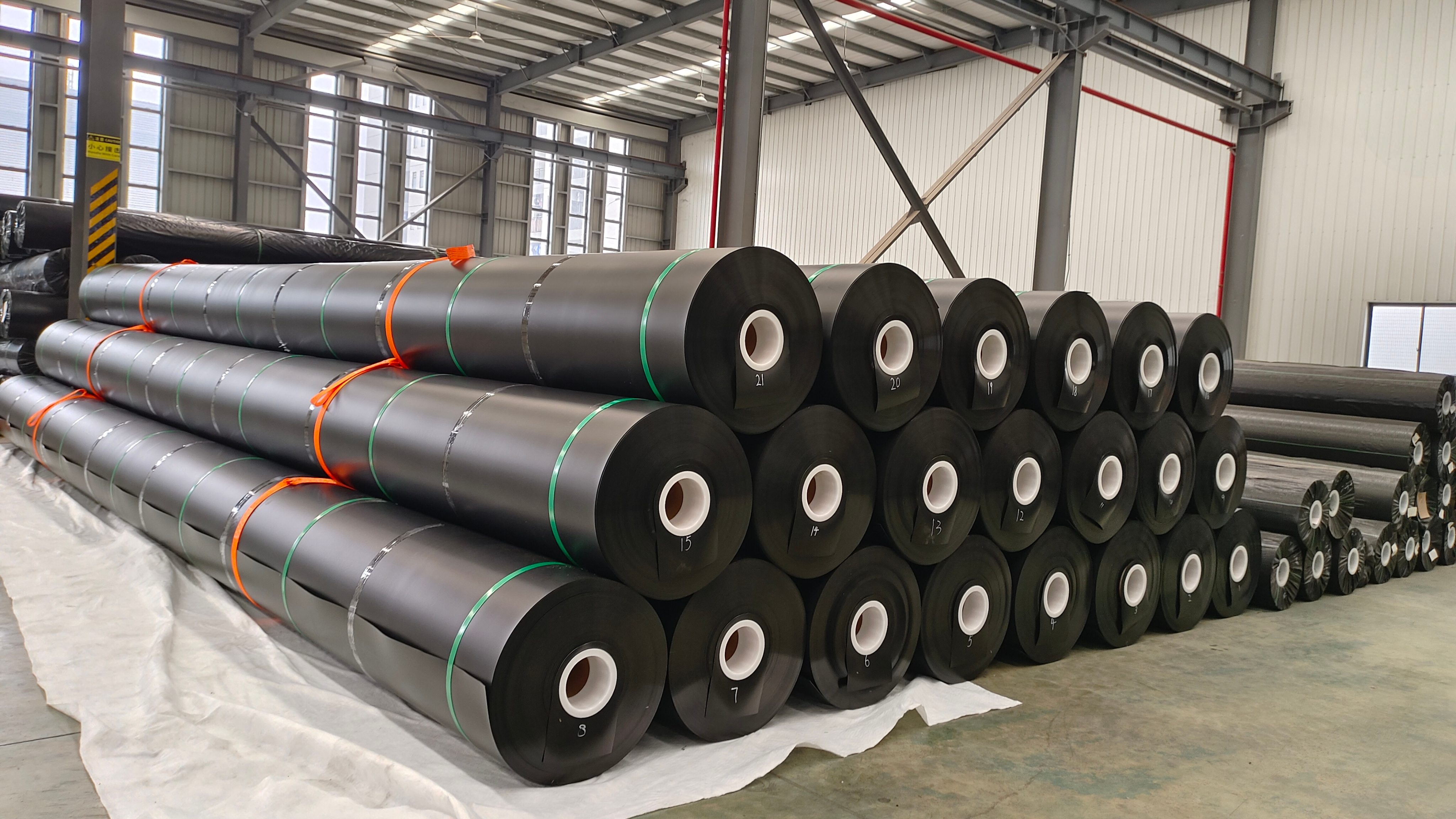
Achieving optimal friction in landfill capping systems goes beyond material selection—it demands a delicate balance between geosynthetic interfaces and construction practices. The interaction between textured geomembranes and overlying drainage layers can be fine-tuned by adjusting asperity height and density, creating a mechanical interlock that resists sliding even on steep slopes. Field observations show that minor variations in compaction effort or the presence of fine particles at the interface can shift performance from stable to marginal, highlighting the need for rigorous quality control during installation.
Unconventional approaches, such as incorporating small quantities of recycled rubber granules within the protective sand layer, have demonstrated a surprising ability to boost interface friction without compromising hydraulic conductivity. This hybrid layer acts as a cushion that dampens stress concentrations while providing additional roughness at the microscopic level. Laboratory shear tests confirm an increase in peak friction angle by over 20% compared to standard designs, offering a cost-effective strategy for sites with limited space or challenging geometries.
Long-term performance, however, hinges on understanding how interface friction evolves under sustained loads and temperature fluctuations. Creep tests on geotextile-geonet interfaces reveal that friction can degrade subtly over decades due to fiber reorientation and plastic deformation. By pre-loading critical zones during construction and specifying materials with proven creep resistance, engineers can lock in higher initial friction values that offset future losses, effectively maximizing the system’s stability throughout its service life.
Textured Geomembranes in Tunnel Waterproofing: A Reliable Shield
In tunnel engineering, water ingress remains one of the most persistent threats to structural integrity and long-term serviceability. Textured geomembranes have emerged as a particularly robust solution, offering a combination of high puncture resistance and enhanced interface friction that smooth-surfaced alternatives often lack. Their surface asperities create mechanical interlock with adjacent materials, reducing the risk of slippage during installation and under operational loads. This reliable shield not only intercepts groundwater but also accommodates structural movements without compromising the waterproofing layer.
The performance of these geomembranes is rooted in their material composition and surface topography. Typically manufactured from high-density polyethylene (HDPE) or linear low-density polyethylene (LLDPE), the texturing process—whether by co-extrusion, embossing, or spray-applied techniques—produces a uniform pattern of spikes or ribs. This design effectively distributes stresses and prevents crack propagation, even when subjected to the uneven pressures common in tunnel linings. Moreover, the textured surface enhances drainage capacity by maintaining a gap between the membrane and the substrate, channeling water toward collection systems and reducing hydrostatic buildup.
Installation practices and quality control further define the reliability of textured geomembranes in underground environments. Welding techniques, such as hot wedge or extrusion welding, must be adapted to account for the surface roughness, ensuring seam integrity without compromising the textured profile. Field testing, including air lance and vacuum box tests, verifies continuity across seams and repairs. When combined with proper surface preparation and protective layers, this waterproofing approach delivers decades of service, safeguarding tunnels against corrosion, freeze-thaw damage, and chemical attack, thus reinforcing its role as a dependable barrier in modern infrastructure.
Reinforcing Bases for Heavy-Duty Roads and Railways
When you're dealing with the kind of stress that heavy-duty roads and railways face daily, the foundation isn't just a layer of rock and soil—it's the make-or-break element that decides how long the surface stays intact. Engineers have moved far beyond simply compacting the subgrade; modern reinforcement often involves geosynthetic materials that act like a hidden skeleton within the base layers. Geogrids, for instance, lock aggregate particles together, preventing lateral movement and drastically reducing rutting under sustained loads. On rail corridors, where dynamic forces from passing trains can quickly pulverize a weak base, using cellular confinement systems filled with compacted granular material provides a stiff, resilient platform that bridges soft spots and distributes stress evenly. It’s a field where a small upgrade in base reinforcement can add decades to the service life of the pavement or track structure.
Another approach gaining traction in both highway and railway construction is soil stabilization with binding agents like cement, lime, or fly ash. This isn't just about drying out wet soils—it chemically transforms the base material into a strong, durable layer that resists moisture infiltration and freeze-thaw cycles. In areas with expansive clays, lime treatment can fundamentally alter the soil's behavior, taming its tendency to heave and shrink, which would otherwise crack the surface above. For railway ballast beds, polyurethane injections have also become a common sight; the foam expands and binds the ballast stones, creating a monolithic yet flexible base that maintains drainage while preventing track geometry from degrading. These techniques, often invisible to the naked eye once the project is finished, are what separate a road that needs constant patching from one that stays smooth under heavy truck traffic.
Of course, no reinforcement strategy works in isolation—drainage is the silent partner that keeps everything stable. A heavily reinforced base will still fail if water gets trapped beneath it, softening the subgrade and creating pumping action under repeated loading. That's why modern designs integrate permeable base layers and edge drains that quickly move water away from the structure. On rail lines, ballast mats made from recycled rubber not only cushion vibrations but also protect the underlying layers from water and fine particle migration. It's a balancing act between stiffness and flexibility, strength and permeability, and the best solutions often come from careful observation of how real-world conditions—like heavy rainfall or extreme temperature swings—interact with the materials we put in the ground. In the end, reinforcing a base for heavy-duty use is about building a system that can take a pounding from above while staying resilient to what comes from below and around it.
Securing Water Containment in Canals and Reservoirs
Effective water containment goes far beyond simply holding back a volume of liquid. In canals and reservoirs, the real challenge lies in managing subtle, persistent threats—seepage through embankments, rodent burrows that compromise structural integrity, and the gradual erosion of liners under constant hydraulic pressure. A multi-layered approach often works best, combining robust physical barriers with natural sealing techniques. For instance, compacted clay cores can be integrated with geosynthetic clay liners to create a tortuous path for water molecules, dramatically reducing invisible losses that, over time, can undermine the entire system.
Monitoring plays as vital a role as the physical barriers themselves. Rather than relying solely on visual inspections, modern containment systems increasingly use embedded sensors to detect minute changes in moisture content or soil movement. Fiber-optic cables buried along canal beds can sense temperature variations that signal a leak long before water reaches the surface. This early-warning capability allows maintenance crews to intervene precisely where needed, avoiding costly emergency repairs and extensive water loss. In reservoirs, autonomous underwater vehicles now routinely scan submerged slopes, building detailed maps that reveal weak points invisible from the shore.
The choice of materials and methods also hinges on the local environment. In arid regions where expansive soils swell and shrink with moisture, flexible membrane liners with high elongation properties prevent cracking. Conversely, in cold climates, ice scour demands concrete linings with air-entrained admixtures to resist freeze-thaw cycles. Successful projects often blend engineered solutions with ecological insights—using deep-rooted native vegetation on embankments to reinforce soil structure, or designing forebays that settle silt before it can abrade downstream linings. Such tweaks, tailored to site-specific conditions, turn standard containment into a resilient, self-sustaining barrier that performs reliably for decades.
Drainage Solutions for Green Roofs and Sustainable Landscapes
Effective water management lies at the heart of any thriving green roof or sustainable landscape. Rather than simply channeling runoff away, modern drainage solutions work in harmony with vegetation, soil layers, and structural design to mimic natural hydrological cycles. This begins with high-performance drainage boards that create a permanent air and water reservoir beneath the growing medium, ensuring roots receive moisture during dry periods while excess water swiftly moves to outlets during heavy rain. By integrating capillary action mats, granular drainage media, and carefully calibrated perforations, these systems maintain the delicate balance between retention and discharge that healthy plants demand.
Beyond the roof itself, sustainable landscapes extend drainage thinking into every contour and hardscape feature. Permeable paving systems replace monolithic impervious surfaces with interlocking grids that hold gravel or reinforced turf, allowing stormwater to infiltrate directly into the substrate. Bioswales and rain gardens act as sculpted depressions where runoff slows, spreads, and sinks, with deep-rooted native plants enhancing both infiltration and pollutant breakdown. At the property scale, subsurface detention crates and cisterns capture overflow for later irrigation, closing the water loop while easing the burden on municipal infrastructure. Every element—from roof drains to street-side planters—becomes part of a cohesive, gravity-driven network that treats water as a resource, not a waste product.
What sets apart a well-designed system is its adaptability to specific microclimates and structural loads. Lightweight, geocomposite drain layers prove ideal for retrofit projects where weight constraints rule out traditional gravel ballast. In regions prone to sudden cloudbursts, siphonic roof drains and wide-channel gutter profiles prevent backups by handling extreme sheet flow without requiring excessive slope. Meanwhile, living wall drainage cassettes with built-in moisture mats allow vertical greenery to flourish on facades while protecting the building envelope from damp. By selecting components that layer seamlessly—from filter fabric to root barrier to drainage core—designers create resilient, low-maintenance assemblies that quietly manage water year after year, even as plant communities mature and weather patterns shift.
FAQ
Textured geomembranes offer superior friction characteristics, which improve slope stability and reduce the risk of slippage in lining systems. Their rough surface enhances interface shear strength with adjacent materials like soils or geotextiles, making them ideal for steep installations in landfills, mining, and water containment. Additionally, they provide robust puncture and tear resistance, ensuring long-term durability even under high-stress conditions.
In landfill engineering, textured geomembranes act as a critical barrier that prevents leachate from contaminating groundwater. The texture increases surface friction, securing the liner on slopes and reducing the need for extensive anchoring. Moreover, their high chemical resistance ensures they can withstand aggressive leachate composition over decades, significantly minimizing environmental risks.
Mining sites often involve heap leach pads and tailings ponds where chemical solutions are used. Textured geomembranes provide excellent chemical compatibility and high tensile strength to withstand heavy loads and sharp rocks. The textured surface improves stability on steep slopes, preventing liner displacement and ensuring reliable containment of process solutions and tailings.
Absolutely. In water reservoirs, canals, and treatment lagoons, textured geomembranes offer low permeability and high UV resistance, preventing water loss and algae growth. Their texture allows for secure placement on sloped banks without slippage, and they are flexible enough to accommodate substrate settlement without compromising the seal.
Most textured geomembranes are made from high-density polyethylene (HDPE) or linear low-density polyethylene (LLDPE). HDPE provides exceptional chemical resistance and stiffness, perfect for long-term exposure to harsh chemicals. LLDPE offers greater flexibility and elongation, making it suitable for applications where ground movement is expected. The textured finish is typically co-extruded onto the core layer, ensuring consistent performance across the entire liner.
Installation of textured geomembranes requires specialized welding techniques due to their rough surface. Typically, hot wedge welding is used, which effectively melts the texture to create a homogeneous bond. Field crews must ensure proper overlap and seam testing to maintain liner integrity. Despite the extra steps, the improved friction often simplifies anchor trench design and reduces ballasting needs, potentially offsetting installation complexity.
Over their service life, textured geomembranes reduce maintenance costs due to their resistance to environmental stress cracking and microbial attack. They maintain tensile properties and low permeability for decades, even under fluctuating temperatures and chemical exposure. This longevity makes them a cost-effective solution for critical containment systems, minimizing the need for premature replacements and associated downtime.
Conclusion
Textured geomembranes have become indispensable in modern engineering, offering enhanced interface friction and durability for critical containment and stability applications. On steep slopes, these liners provide the necessary shear resistance to prevent soil slippage, ensuring long-term stabilization even under harsh weather conditions. In landfill capping systems, the textured surface maximizes friction between geomembrane and overlying soils, minimizing the risk of liner displacement and maintaining a robust barrier against leachate and gas migration. Similarly, tunneling projects rely on these geomembranes as a reliable waterproofing shield, protecting underground structures from groundwater ingress and chemical corrosion while accommodating structural movements without compromising integrity.
Beyond waste management and underground works, textured geomembranes play a vital role in transportation and water resource projects. When placed beneath heavy-duty roads and railways, they reinforce the aggregate base, distributing loads more effectively and extending pavement life by preventing intermixing of subgrade soils. For canals and reservoirs, these liners ensure zero-leakage containment, safeguarding precious water supplies in arid regions and preventing erosion of earthen channels. In the realm of sustainable design, they enable efficient drainage beneath green roofs and landscaped areas, managing stormwater while protecting building structures from moisture damage. Collectively, these applications highlight how textured geomembranes contribute to safer, more resilient, and environmentally responsible infrastructure.
Contact Us
Contact Person: Jerry Qiu
Email: [email protected]
Tel/WhatsApp: +65 84265294
Website: https://www.jinseed-geo.com