
Waste Shredder Manufacturing Concerns: Key Challenges and Solutions for Efficient Production
2026-05-16
In the demanding world of waste management, manufacturing a reliable shredder is no small feat. From material durability to precision engineering, every detail impacts performance. Yet, many producers grapple with hidden challenges that can derail efficiency and drive up costs. Enter Shengzhong Shredder—a name synonymous with smart solutions that tackle these hurdles head-on. Curious about what it takes to build a shredder that truly delivers? Let’s peel back the layers on the key concerns and breakthroughs shaping the industry today.
Material Matters: Navigating Tough Shredder Build Challenges
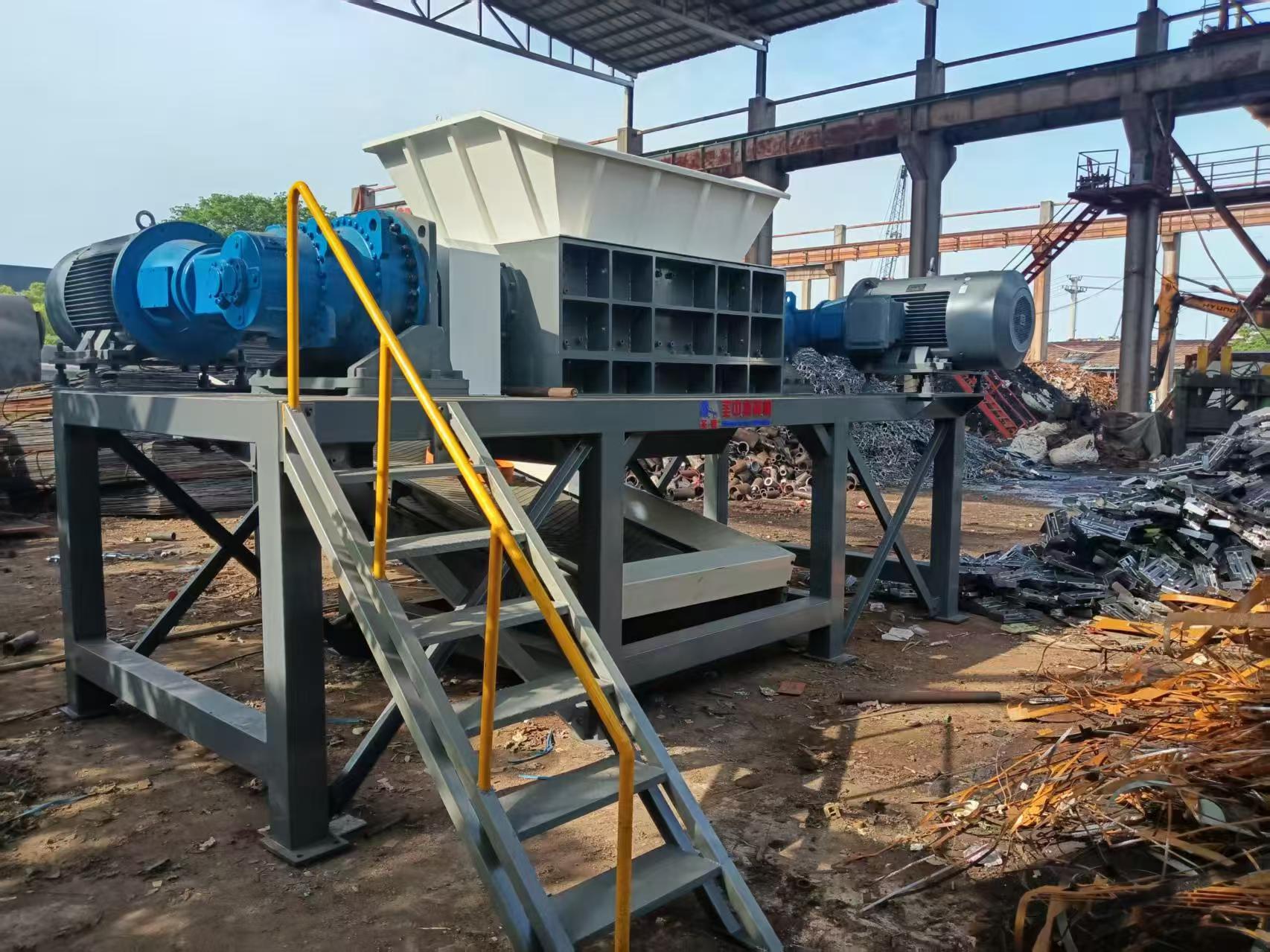
When you’re building a heavy-duty shredder, the alloys you choose can make or break the entire project. Too soft, and the blades will round off after a few hours of grinding. Too brittle, and a single chunk of unexpected tramp metal could shatter a rotor. We’ve learned through painful experience that standard tool steels often fall short unless they’re treated with a proper cryogenic soak and precision tempering to balance hardness with impact toughness.
Then there’s the frame. It’s easy to think of it as just a box to hold the cutters, but the relentless vibration and torque will expose every weak weld and undersized gusset. Low-carbon structural steel might save money upfront, but distortion over time will knock the shaft alignment out of spec and send bearing temperatures soaring. Smart builders are now investigating hybrid designs—a rigid welded core with bolt-on, replaceable wear plates made from abrasion-resistant grades.
Of course, the material conversation doesn’t stop at steel. Cutter coatings, bearing surface treatments, even the bonding method for anvil inserts—all of these choices cascade through performance and maintenance intervals. On one late-night rebuild, swapping conventional bronze bushings for a high-strength polymer composite completely changed the machine’s appetite for unshreddables, cutting unscheduled downtime by more than half. Sometimes the biggest breakthroughs come from questioning the defaults.
Keeping Blades Sharp and Downtime Short
A dull blade doesn’t just slow you down—it compromises the precision of every cut, forcing operators to work harder and often leading to mistakes that pile up costs. We’ve found that regular, light honing between shifts keeps edges aligned and delays the need for major sharpening. It’s a habit that takes minutes but saves hours of frustration later.
When it’s time to swap out a blade, many teams dread the pause in productivity. Our approach centers on quick-change systems and pre-calibrated cartridges that drop in without the usual fiddling. Instead of treating blade changes as a breakdown, they become a planned pit stop—fast, predictable, and integrated into the workflow so the line keeps humming.
The real trick is tracking wear before it shows in the product. Small sensors or even simple logbooks help predict when a blade is nearing its useful life, so you’re never caught off guard. This isn’t about high-tech overkill; it’s about paying attention to the little signals that, if ignored, turn into unplanned downtime. Keeping blades sharp is less about the sharpening itself and more about the rhythm you build around it.
Safety First: Designing for Operator Protection
When you’re deep in a production run, the last thing you want to worry about is whether the equipment itself poses a risk. That’s why our approach starts by asking, “What could go wrong, and how can we stop it before it starts?” We integrate safeguards directly into the machine’s core functions—think light curtains that halt motion the instant a hand gets too close, or dual-channel controls that won’t fire unless both buttons are pressed simultaneously. It’s not about bolting on generic guards; it’s about weaving protection into the operational rhythm so operators feel confident, not constrained.
But hardware alone isn’t the whole story. We’ve learned that the most robust safety features are invisible until they’re needed. For example, our software monitors force feedback in real time, adjusting torque limits if it detects an unexpected resistance—like a misplaced tool or a person in the path. The system even adapts to the operator’s pace, automatically slowing down during intricate manual adjustments and resuming full speed only when conditions are clear. This seesaw between proactive sensing and instantaneous reaction keeps the workspace from feeling like a cage.
And we don’t stop at the machine boundary. Every workstation is engineered with the operator’s natural movements in mind. Cables are routed away from foot traffic, controls are placed so you don’t have to reach across moving parts, and emergency stops are positioned where your hand lands instinctively, not where a manual says they should be. It’s a philosophy of “protection by design”—subtle, layered, and so deeply embedded that you’ll probably never think about it. Until that one moment it matters.
Scaling Up Without Sacrificing Shred Quality
Expanding operations doesn’t have to mean a drop in the consistency of your output. We’ve seen too many facilities chase higher volumes only to end up with uneven particle sizes and frustrated downstream partners. The trick lies in treating scaling as a design challenge, not just a matter of running machines longer. By revisiting blade geometry and feed rates at each new capacity threshold, you can maintain the exact specifications your buyers depend on—without wearing out your equipment twice as fast.
One overlooked factor is the role of real-time monitoring in keeping quality steady as workloads climb. Sensors tracking torque, vibration, and throughput allow adjustments on the fly, catching the subtle shifts that lead to oversized chunks or excessive fines. This approach turns scaling from a risky leap into a controlled, measurable evolution. It’s about building intelligence into the line, so the same crew can manage double the volume with the same eye for detail.
Smart Tech Integration for Smarter Shredding
Modern shredders now go far beyond the simple act of cutting paper. They are woven into the fabric of a connected office, sensing load levels to prevent jams before they happen, and quietly adjusting motor speed based on what's being fed. This kind of smart integration means the machine learns your habits—shifting into energy-saving sleep when the office is empty, or alerting you discreetly when the bin is almost full, all without requiring a second thought.
What truly sets next-generation shredding apart is its ability to talk to the rest of your digital environment. Paired with secure mobile apps or enterprise systems, these shredders log usage patterns, predict maintenance needs, and even verify that sensitive documents have been destroyed properly. It turns a mundane task into a data point for compliance and peace of mind, seamlessly merging physical security with digital oversight.
Ultimately, integrating intelligence into shredding transforms it from a standalone chore into a proactive component of your workspace. It no longer just destroys information; it actively safeguards it by anticipating issues, automating tedious checks, and fitting quietly into the rhythm of a smart office. This is shredding that doesn't demand attention—it earns trust.
Quality Control from Raw Material to Final Product
Raw materials arrive with their own story—supplier certifications and spec sheets are just the starting point. Our team digs deeper, running identity tests on each batch before it ever touches the production line. A spectrometer scan here, a moisture analysis there; it's less about checkboxes and more about catching the subtle inconsistencies that could ripple into bigger problems later. If a polymer resin shows even a slight viscosity drift, we flag it. This upfront scrutiny sets the tone for everything that follows, making sure the foundation is never the weak link.
Once production is underway, control shifts from inspection to integration. Instead of isolated checks, we embed real-time monitoring into the process itself—temperature probes, pressure sensors, and automated vision systems feed data to operators who adjust on the fly. In one mixing stage, torque readings might hint at incomplete dispersion, triggering an immediate tweak rather than waiting for a downstream test. This dynamic approach keeps quality from becoming a gatekeeping step; it's a continuous dialogue between the equipment and the people running it.
The final product doesn't get a simple pass or fail. We pull samples across shifts and test them against both internal benchmarks and real-world use conditions—dropping, shaking, cycling through temperatures. The goal isn't just to meet a spec sheet but to anticipate how the product behaves after it leaves our hands. Lessons from these tests loop back to earlier stages, refining raw material thresholds or tweaking process parameters. In that sense, quality control is never truly final; it's an evolving loop that ties the first granule of raw material to the last packaged unit.
FAQ
Undersized bearings and inadequate sealing against abrasive dust are common culprits. When fine particles infiltrate critical components, they accelerate wear and lead to premature failures.
It often comes down to rotor design and screen selection. Using a stepped rotor profile with optimized cutter spacing can maintain aggressive feeding while the right screen hole geometry ensures uniform sizing without excessive recirculation.
The issue typically lies in insufficient torque reserves and improper cutter hardness. A shredder built for general waste may lack the low-speed, high-torque characteristic needed to shear tenacious fibers or composites, causing inefficiency and frequent jams.
Condition-based monitoring paired with predictable wear-part replacement is far more effective than fixed-schedule servicing. Vibration sensors and thermal cameras can spot early signs of imbalance or bearing fatigue, allowing targeted interventions during planned pauses.
Explosive dust clouds from shredded materials like metal powders or certain organics are a serious, often underestimated risk. Integrating spark detection, explosion vents, and proper grounding during the design phase is critical, yet many facilities treat it as an afterthought.
Direct-drive hydraulic systems offer high torque density but can waste energy as heat. Modern electro-mechanical drives with variable frequency control can reduce power consumption by up to 30% in intermittent-load applications, though they require more complex engineering.
Automated welding cells and CNC machining centers not only speed up frame and rotor fabrication but also improve consistency. However, the real game-changer is using collaborative robots for repetitive assembly tasks, which frees skilled workers to focus on quality checks and custom-builds.
The problem often stems from fugitive emissions at material infeed and outfeed points. Even the best dust collection system can’t capture particles if the hood design or airflow patterns are flawed; investing in computational fluid dynamics modeling during layout planning pays off.
Conclusion
Manufacturing waste shredders that can reliably handle diverse and abrasive materials demands careful attention from the very start. Material selection sits at the core: using hardened alloys for cutter bodies and shafts helps withstand stress, but balancing hardness with machinability remains a constant tug-of-war. Beyond the steel itself, fabrication methods like precise welding and stress-relieving treatments prevent warping under heavy loads. Equally critical is blade longevity—keeping edges sharp isn't just about using wear-resistant steels; it calls for geometry optimization that reduces impact fatigue and allows faster, safer replacement routines. Designers are also embedding safety features directly into the machine’s DNA, from emergency-stop layouts to guarding that shields operators without impeding maintenance access. These elements collectively reduce unplanned downtime and create a work environment where protection is a built-in priority, not an afterthought.
As production volumes climb, maintaining consistent shred quality requires a holistic view of the manufacturing chain. Scaling up doesn’t simply mean bigger machines; it means tighter process control so each unit meets the same output specs. Smart technology plays an enabling role here—sensors tracking vibration, temperature, and throughput feed data into adaptive controls, allowing real-time adjustments that prevent overloading or uneven particle size. Coupled with that, rigorous quality checks from incoming raw materials through to final assembly catch deviations early. Hardness tests on castings, dimensional inspections of rotor assemblies, and trial runs simulating worst-case waste streams ensure that every shredder leaving the line matches the original engineering intent. The result is a production system where scale drives efficiency, but never at the cost of reliability or operator trust.
Contact Us
Contact Person: Leon
Email: [email protected]
Tel/WhatsApp: 8615385558866
Website: https://www.shred-waste.com