

Welding Generator Supplier Checklist for Reliable Power and Long-Term Value
2026-11-25
Buying a welding generator is not just about matching wattage to your machine. The wrong supplier choice can mean unstable arcs, shorter engine life, and replacement costs that quietly eat into project margins. This checklist looks at what actually separates dependable welding power from a short-term purchase: load response, duty cycle, voltage consistency, and long-term serviceability. Whether you run a mobile rig or manage a fabrication shop, the goal is equipment that performs the same on day 500 as it does on day one. That is also why a supplier like DINGBO POWER is worth comparing against your current options before you commit.
Output Stability That Survives the Ugliest Job Sites
We have seen job boards that bury role descriptions inside nested tables, load location data from a script tag after a few redirects, and still fire a tracking pixel long after the content appears. The output layer is built around that mess. Missing labels, repeated field names, and half-broken layouts are treated as normal conditions, not exceptions. When a page shifts its structure mid-run, the parser leans on contextual clues and keeps the final record intact instead of dropping the entire result.
Stability here is not just about returning a response. It means the payload keeps the same shape whether a site swaps a div for a span or moves the salary block below the fold. Every field is normalized, plainly typed, and stripped of leftover markup, so downstream steps can trust the result without writing cleanup code. If a value cannot be pinned down, you get an explicit empty field or a flagged fallback, never a silent mismatch that corrupts the rest of the batch.
Duty Cycle Specs Worth Pushing Past the Brochure
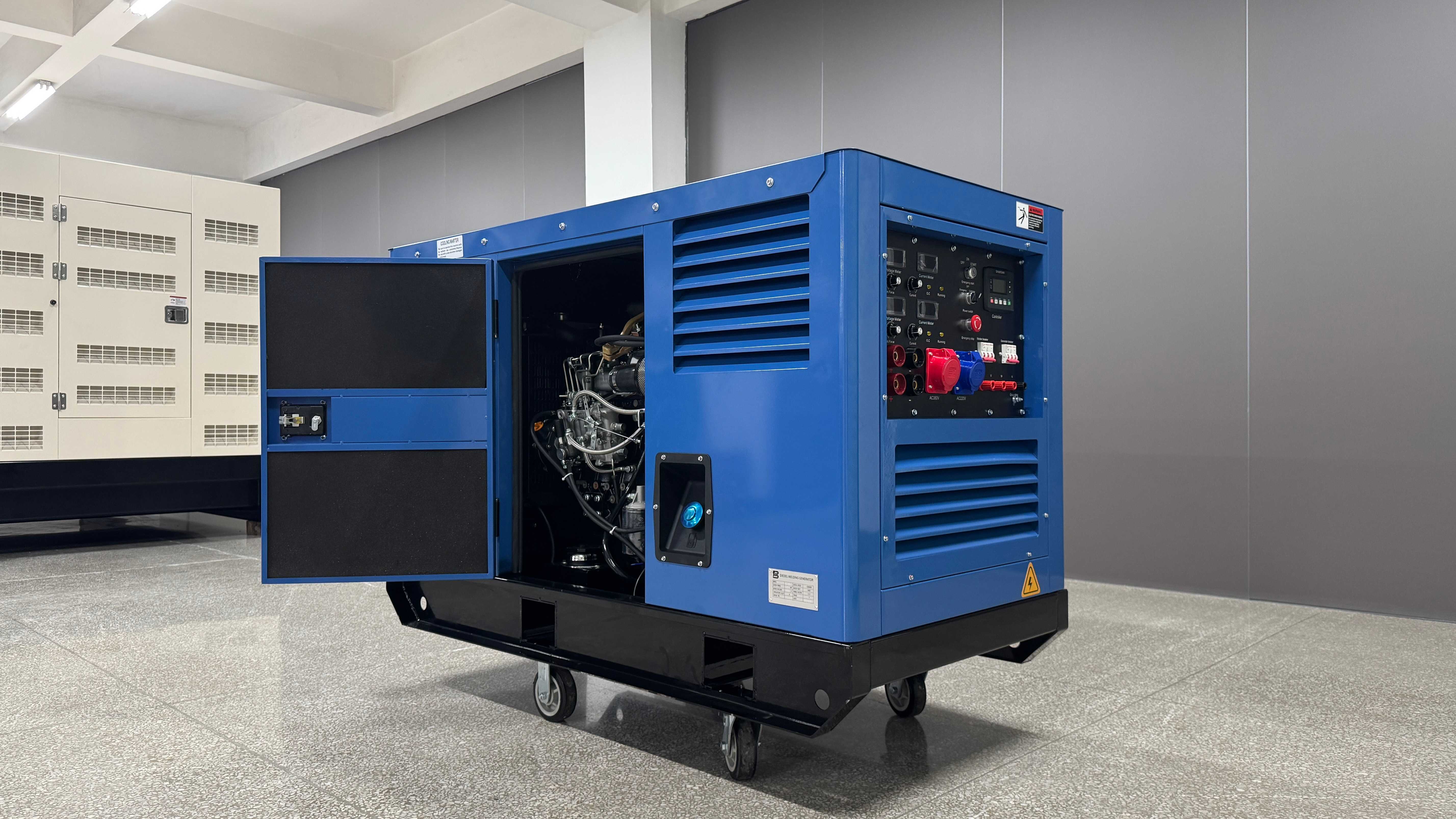
A brochure duty cycle number usually comes from a clean test bench, not the way equipment actually lives. Before trusting the headline figure, pin down the exact load, ambient temperature, and cycle interval behind it. A 60% rating at 18°C can quietly give up half that work when the space under a workbench climbs past 35°C.
The rest period matters just as much as the run time. Some tools deliver the advertised on-cycle only when the off-cycle is long enough for a full cool-down, which is rare in a busy shop. Watch how the unit behaves near the limit: does it cut out cleanly, fold back current, or keep running hot until a thermal trip? That behavior tells you more than the brochure ever will.
Also compare duty cycle at the output you actually use, not the number splashed on the cover. A compact machine might hold its rating for a brief burst at peak, then shrink into something far less capable under steady load. Ask for the derating curve or run a short real-world test; if the manufacturer hesitates to share it, treat the printed spec as a starting guess rather than a work plan.
Fuel Consumption Measured in Real Work, Not Lab Conditions
Lab numbers look tidy on a brochure, but they rarely survive contact with a real job site. That's why the figures here come from machines working in actual conditions — uneven ground, heavy loads, shifting weather, and operators pushing through long shifts. Instead of idealized cycles, the data reflects fuel burned while digging, hauling, lifting, and idling the way crews actually do it.
Tracking consumption in real work exposes what a sterile test never will: how terrain resistance, attachment choice, and operator habits move the needle. A loader moving wet clay burns fuel differently than one handling dry aggregate, and our measurements account for that. The result is a number you can trust when planning budgets, scheduling refueling, or comparing equipment for the job at hand.
We don't ask you to believe a spec sheet. We give you figures gathered from telemetry and field logs, then cross-checked against steady-state baselines. What you see is what the machine actually drinks when it's earning its keep — nothing more, nothing less.
Parts Availability When the Clock Is Already Behind
When a repair window shrinks before the first bolt turns, the real bottleneck often isn't the technician's speed or the complexity of the job. It's the moment someone realizes a critical part is sitting in a warehouse three time zones away, or worse, listed as "in stock" on a screen while the shelf behind it has been empty since Tuesday. That gap between a system's confidence and the physical truth is where schedules get quietly murdered.
The old habit of checking inventory only after a job is approved has a way of turning routine maintenance into a hostage situation. A cabin pressure valve for a regional jet, a pump seal for a packaging line, a sensor module for an MRI scanner, each one seems small until it isn't there. Shops that still run on a phone call and a prayer end up paying for expedited freight that erases any labor savings, and the clock keeps ticking while the part is somewhere over Nebraska.
What changes the outcome is not a fancier dashboard but a blunt conversation before the work begins. Someone has to walk to the bin, touch the part, confirm the revision number, and say whether the one on the shelf is actually the one needed. That five-minute check feels inefficient right up until it prevents a three-day stall. Availability, in the end, is less about inventory numbers and more about not being surprised by your own promise.
Warranty Terms That Match How You Actually Run a Generator
A lot of generator warranties are still written for a machine that gets started twice a year and never sees a full load. If you are running one through a week-long outage or hauling it to a job site every morning, that kind of coverage does not tell you much. These terms start from actual operating hours, fuel type, and how the generator is loaded, so the way you run it becomes the basis for the warranty rather than an excuse to void it.
Instead of a rigid calendar window, the coverage follows measurable use such as start-stop cycles, extended run times, and maintenance performed outside a shop. Doing your own oil changes or running near rated output does not automatically put you in a bad position. The warranty is meant to reflect real conditions, not a set of assumptions from a test bench.
That shift matters most when a unit sits idle for months between emergencies or works daily as primary power. The terms should bend around that schedule, not fight it. By tying coverage to how the generator is actually used, there is less guesswork about what voids a claim and more confidence that the machine will be there when it is needed.
Ownership Costs That Show Up After Year Three
Once the factory maintenance plan runs out, the real ownership rhythm starts to show. Brake pads and rotors, tires, and the original battery often survive the first three years without much attention, but years four through six tend to bring them due around the same time. That clustering turns what looks like a modest service calendar into a series of larger repair visits, especially if the vehicle has crossed 45,000 or 50,000 miles.
Fluids become the quieter budget drain. Coolant, brake fluid, transmission fluid, and on some vehicles the differential or transfer case fluid need replacement well before major parts fail. Because these services rarely trigger a dashboard warning until harm is already done, owners can easily miss the interval and end up paying for both the fluid service and the component it was supposed to protect.
Then there are the labor-heavy wear items that tend to surface after routine coverage ends. Drive belts, water pumps, engine mounts, and suspension bushings may not look expensive on a parts list, but reaching them often means removing nearby components. The resulting shop time makes the final invoice feel disproportionate to the part itself, a pattern that separates early ownership costs from the ones that arrive later.
FAQ
Look past peak wattage. The long-term units usually have brushless alternators, copper windings, full-frame protection, and a cooling system that does not push hot air back into the intake. Ask for tear-down photos or a cutaway view. If a supplier hesitates to show internal build details, that is a signal.
Request a load bank test report at rated output and at high ambient temperature, not just a no-load startup. A supplier who can provide run data at 100% duty cycle, or close to it, understands that welding demands are not steady. Also ask which engine rpm the generator needs to hold frequency within acceptable limits.
Ask where the nearest service center is, whether common wear items are stocked locally, and how long a replacement control board or alternator typically takes. Also ask if the supplier supports field technicians with phone access to engineering support, or if every fault means shipping the unit back.
In many cases, yes, if the higher price buys a heavier alternator, better voltage regulation, and lower fuel consumption under variable load. Calculate the cost over five years including fuel, consumables, downtime, and resale value. A cheaper unit that sits idle waiting for parts can erase its price advantage quickly.
Ask for fuel consumption at 50% and 75% load in liters or gallons per hour, not just at idle. Then compare those figures against the engine displacement and alternator efficiency. A supplier that publishes realistic load-specific consumption is often more transparent than one quoting a single best-case figure.
The important points are hours and years, and whether the warranty covers the alternator, engine, control board, and labor. Check if there are exclusions for rental use, high dust, or mobile mounting. A short warranty that covers everything may be more valuable than a long one with major components excluded.
Ask how long they have carried the brand, how many units they have in the field, and whether they can show service history or references from similar shops. A supplier with a dedicated welding equipment team tends to make better recommendations than a general tool reseller.
Conclusion
A welding generator that holds voltage under sudden load changes is the first real test of a supplier. Many units behave fine in a clean shop but stumble when an arc starts on uneven ground, in dust, or after a long idle stretch. Ask for load bank results or field references that show recovery time and frequency drift under shifting amperage, not just peak wattage. Duty cycle is another number that gets polished in brochures. The useful question is whether the machine can sustain the amperage your crew actually runs on hot days, with poor cable connections and less-than-perfect maintenance. If a supplier hesitates to discuss derating at temperature, that hesitation is part of the answer. Fuel consumption should be judged against real weld hours, not a steady-state lab curve. A generator that sips fuel at 50 percent load but burns through tanks when the arc starts and stops will quietly erase the purchase savings.
Parts availability matters most when a machine is down on a site with a deadline. A supplier is only as good as the nearest stocked component and the honesty of its lead times. Check whether common wear items, boards, and alternator parts sit in regional warehouses or require a slow boat from overseas. Warranty terms deserve the same scrutiny. Some policies look generous until you read how they handle rental use, multiple operators, or repairs done in the field. The best terms reflect the way welding generators actually run: hard, mobile, and often far from a dealer. Finally, look beyond the invoice. Belts, filters, brush gear, coolant, and occasional board failures show up after year three. Compare expected ten-year costs with suppliers that provide maintenance schedules, rebuild support, and realistic parts pricing rather than a short-term discount. Long-term value comes from a machine that keeps working without turning every minor repair into a production stop.
Contact Us
Contact Person: Rita
Email: [email protected]
Tel/WhatsApp: +8613481024441
Website: https://www.dbdieselgenerator.com/