

Wholesale Welding Clothing: Your Complete Guide to Quality and Safety
2026-07-23
When it comes to welding, protective gear isn’t just an afterthought—it’s the foundation of every safe and productive job. Whether you’re outfitting a team or stocking your inventory, finding wholesale welding clothing that balances rugged durability with genuine comfort can feel like a challenge. This guide cuts through the noise, helping you understand what truly matters: certified flame resistance, smart design, and materials that hold up shift after shift. And if you’re searching for a partner who delivers on all fronts, DROTEX brings dependable quality to the table without unnecessary complexity. Let’s dive into what makes protective workwear exceptional—so you can make informed choices with confidence.
Beyond Basic Protection: How Modern Welding Gear Enhances Worker Comfort
For years, welding gear meant bulky leather jackets and stiff gloves that fought your every move. Today’s designs flip that script. Engineers have rethought everything from the cut of the sleeves to the way a helmet sits on your head. The goal isn’t just to shield you from sparks—it’s to let you forget you’re wearing protection at all. Advanced textiles that flex with your body, strategic ventilation that fights the heat buildup, and weight distribution that eases neck strain are now standard, not afterthoughts.
Consider the humble welding helmet. Gone are the days of a heavy, fixed shell. Modern auto-darkening lenses reduce eye fatigue, but the real comfort win is in the headgear. Memory foam padding, adjustable pivot points, and lightweight composites make a twelve-hour shift feel less like a neck workout. Jackets have followed suit, swapping rigid cowhide for pliable, abrasion-resistant fabrics that move like a second skin. Underarm gussets and articulated elbows mean you reach and bend without fabric bunching up or exposing skin.
Then there’s the overlooked detail: what you don’t feel. Moisture-wicking liners pull sweat away, keeping you dry during a long overhead weld. Gloves with pre-curved fingers and gel padding dampen vibration and delay hand cramping. Even small touches—like a collar that doesn’t chafe or a strap that doesn’t dig in—stack up. When your gear works with you, you stay focused on the arc, not on the ache. That shift in mindset, from enduring your equipment to barely noticing it, is what truly elevates modern welding kit beyond basic protection.
Fabric Science: What Makes Welding Apparel Truly Flame Resistant
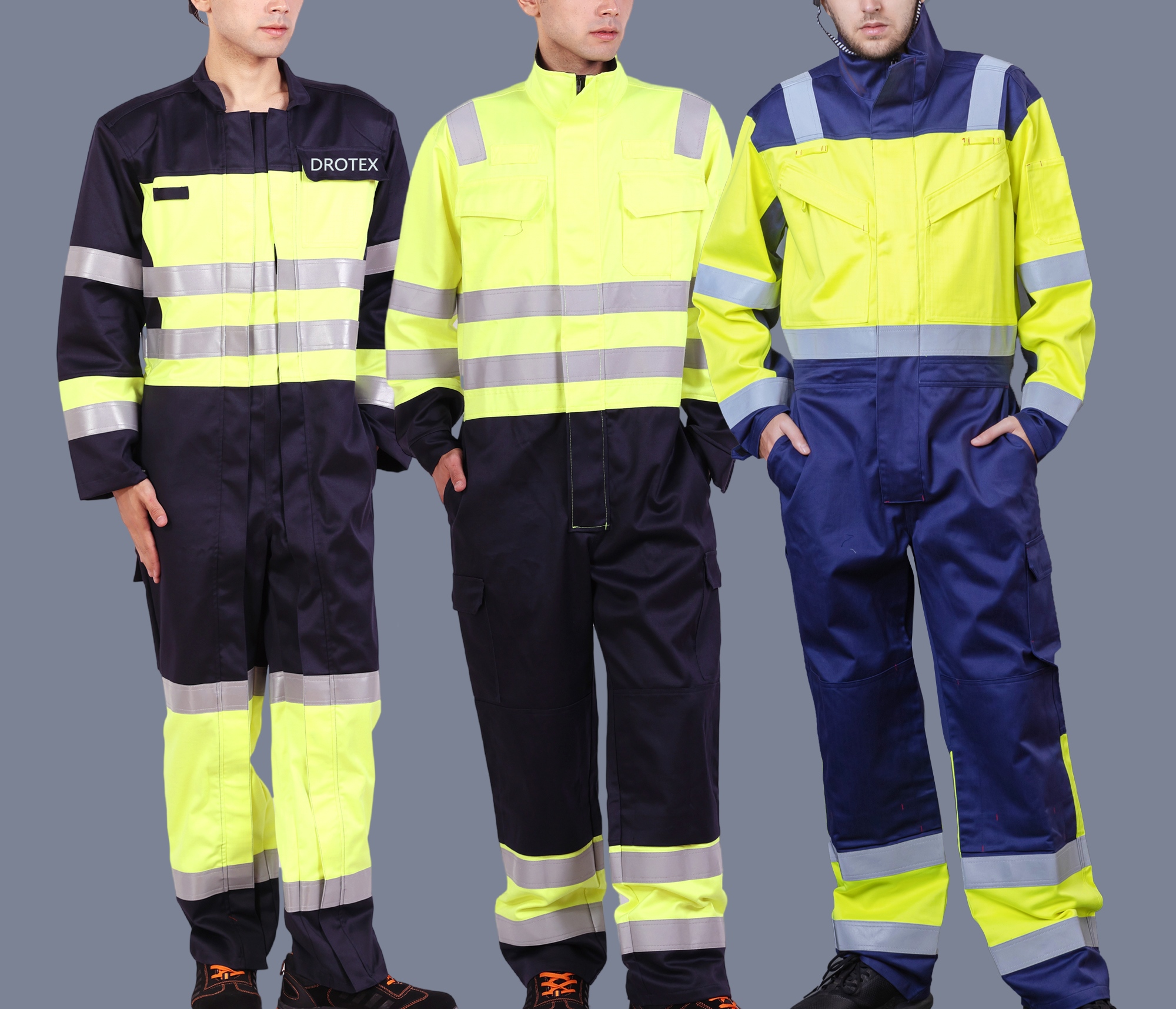
The secret to effective welding protection lies in the fabric's fiber composition and weave structure. Natural fibers like specially treated cotton can offer some resistance, but the real game-changers are inherently flame-resistant synthetics such as aramids and modacrylics. These polymers are engineered at a molecular level to resist ignition and self-extinguish, rather than relying on topical chemical treatments that can wash or wear away over time. A tight, dense weave further locks down any potential entry points for sparks and spatter, while also minimizing the oxygen supply that could fuel combustion.
Beyond the base material, advanced fabric engineering creates a layered defense system. Multi-layer constructions often combine a sturdy outer shell that shields against thermal shock with a moisture-wicking inner lining that enhances comfort without compromising safety. Some modern welding fabrics incorporate phase-change materials or expanding intumescent coatings that react to extreme heat by forming a protective char barrier. This synergy of material science and textile engineering ensures garments maintain their protective qualities even after repeated exposure to high temperatures and rigorous industrial laundering.
What truly distinguishes premium welding apparel is how it balances protection with wearability. The best fabrics manage to be lightweight and flexible enough for all-day use while still blocking radiant heat and molten metal. Breathability is crucial—sweat-soaked clothing can dramatically reduce thermal protection, so smart fabric designs promote airflow in low-risk zones while reinforcing high-exposure areas like sleeves and chest. This thoughtful integration of flame resistance, durability, and human comfort is what makes modern welding garments perform reliably shift after demanding shift.
Bulk Buying Guide: Dodging Common Quality Pitfalls
When you’re buying in bulk, one of the fastest ways to get burned is assuming that the sample you approved will match the final shipment. I’ve seen it countless times: a perfect pre-production sample, but when the container arrives, the material is thinner, the stitching is sloppy, or the color is just off enough to cause returns. Always lock in exactly what quality means upfront—request a sealed reference sample, and make sure your contract specifies that the bulk order must match it in every measurable way. If possible, have an agent or third-party inspector check random pieces before the goods leave the factory. It’s a small investment compared to dealing with a warehouse full of unsellable inventory.
Another trap is focusing too much on the unit price and ignoring hidden flaws that only show up with use. A zipper that sticks, a seam that unravels after a few washes, or a fabric that pills aren’t necessarily obvious from a quick glance at a spec sheet. Ask for a detailed bill of materials and any relevant test reports—for things like colorfastness, strength, or safety compliance. Don’t just take the supplier’s word for it; if you’re ordering in serious volume, hire your own lab testing. I’ve learned the hard way that a few cents saved per piece can cost thousands in returns and reputation damage if the product doesn’t hold up.
The Standards Behind the Stitches: Decoding EN ISO 11611 and Beyond
When flame-resistant fabrics are the first line of defense, the standards ensuring their reliability often go unnoticed. EN ISO 11611 is far more than a regulatory mark—it’s a pact between makers and wearers, specifying how protective clothing for welding and allied processes must perform under fire, heat, and spatter. This document drills into seam strength, shrinkage, and latent heat transfer, but its real muscle lies in the testing rituals: fabrics endure vertical flame tests, spatter resistance trials, and even manikin engulfment scenarios. Knowing these benchmarks lets safety managers see past the label and into the lab, where every stitch is scrutinized.
Yet the landscape stretches beyond a single code. Regional variants like ASTM F1506 in the U.S. and NFPA 2112 for flash fire add layers of nuance, each with its own philosophy on afterflame times or heat attenuation performance. A garment stamped with EN ISO 11611 Class 2 might fulfill European requirements, but may need supplementary testing to cross into markets governed by other standards. Beyond compliance, the real differentiator is how manufacturers embed these rules into design: reinforced stress points, conductive thread-free seams, and fabric that holds its integrity after laundry cycles. It’s the invisible engineering that turns a standard into a shield.
Then there’s the human element—how garment care and wear-and-tear erode protection over time. ISO 11611 assumes a baseline of maintenance, but few shop floors follow the exact protocol of pH-neutral detergents, controlled dry cycles, and retirement schedules. The gap between ideal testing conditions and a welder’s daily grind can be wide. That’s why forward-thinking operations go beyond paper compliance, auditing actual use, repair, and disposal. When the goal isn’t just passing an audit, but ensuring a worker goes home unharmed, standards like EN ISO 11611 become the starting point, not the finish line.
Cost-Per-Wear Wisdom: Evaluating Welding Clothing Value with Data
Every welder knows the sting of a fresh slag burn through a brand-new shirt. It’s not just the pain—it’s the replacement cost. But focusing only on the price tag fools you into ignoring the real drain on your wallet. A cheap jacket that disintegrates in three months might seem like a bargain, but when you’re buying four of them a year, you’ve paid more than you would for a single premium piece that lasts two years. That’s the quiet math of cost-per-wear, and it flips the script on what “value” actually means in welding gear.
Instead of guessing, start tracking the data that matters. Log when you buy a hood, jacket, or gloves, and note the date you finally retire them. Divide the price by the number of hours logged. Suddenly, that $80 pair of gloves that held up for 600 hours costs you 13 cents an hour, while the $15 pair shredded after 40 hours clocks in at 38 cents. Over a year of heavy work, the supposedly “expensive” option easily saves you hundreds. The numbers don’t lie—they just sit there, waiting for you to do the arithmetic.
The smartest shops already look beyond upfront cost, factoring in downtime, safety incidents, and even comfort-related productivity dips. A welder constantly tugging at stiff sleeves or squinting through a scratched lens is losing time. Premium gear often reduces these micro-frictions, making the whole operation smoother. Next time you’re staring at a price list, pull out your own logbook and run the actual cost per hour. You’ll quickly see that the cheapest option at the register is often the most expensive one on the shop floor.
Extending Gear Lifespan: Practical Tips from Cleaning to Storage
Keeping your gear in top shape boils down to consistent, mindful habits. After each outing, take a few minutes to wipe down surfaces with a damp cloth—dirt and sweat can degrade materials over time. For deeper cleans, use gear-specific cleaners rather than harsh detergents that strip protective coatings. Let everything air dry completely before storage; trapped moisture invites mildew and weakens fabrics.
Proper storage is just as critical as cleaning. Store items in a cool, dry place away from direct sunlight, which can cause fading and material breakdown. Avoid cramming things into tight spaces—compression can deform insulation and stress seams. Instead, hang or loosely fold items, and consider breathable cotton storage bags over plastic, which can trap residual humidity.
Don't overlook small fixes before they become big problems. Regularly inspect buckles, zippers, and straps, and lubricate them with a silicone-based lube to prevent jamming. Mend minor rips with repair tape or a quick stitch to stop further tearing. This proactive approach not only extends the life of your equipment but also ensures it's always ready for the next adventure.
FAQ
First, confirm the gear meets recognized standards like ASTM F1506 or NFPA 70E. Look for certifications on the label. Flame-resistant (FR) fabrics are a must, but also check that the garment covers vulnerable areas adequately—reinforced stitching at stress points and proper closures to prevent sparks from entering. Don't overlook things like cuffs and collars; they should be snug without restricting movement. A trustworthy supplier will readily provide documentation proving compliance.
It starts with fabric weight and breathability. Heavy-duty materials like leather offer exceptional protection but can be stifling. Modern FR-treated cottons and blends give you a middle ground—they're lighter and more comfortable for long shifts while still ducking sparks. Also, consider designs with underarm vents or mesh panels in low-risk areas. Durability often comes from double-stitching and reinforced elbows or knees. The goal is to keep your team productive without compromising safety; comfort plays a huge part in that.
Leather has been the go-to for decades because it's tough and naturally resists heat and sparks. But treated cotton, denim, and advanced synthetics like aramids (Kevlar, Nomex) or modacrylic blends are rising stars. These materials maintain flame resistance after many washes, unlike plain cotton that can burn easily. Each material has trade-offs in weight, breathability, and cost. For heavy overhead welding, leather sleeves or aprons paired with an FR shirt might be ideal. For lighter tasks, an all-in-one FR coverall in a cotton-nylon blend works well.
We're seeing smart fabrics entering the market—materials that can wick moisture while still being flame-resistant, reducing heat stress. There’s also growth in ergonomic designs with stretch panels that improve mobility without sacrificing protection. Some manufacturers use embedded cooling technologies or phase-change materials to keep wearers comfortable. Another trend is modular clothing, where you can add or remove protective layers as needed. These innovations might cost more upfront, but they can boost productivity and extend garment life.
Never rely solely on generic size charts. Get actual measurements from your team—chest, waist, inseam—and compare them with the supplier's sizing guidelines. Allow room for layering, especially in cold environments, but baggy clothing can be a hazard around machinery. If possible, request sample garments and have a few team members test them during actual work. Consider unisex sizing vs. gender-specific fits; the latter often provides better comfort and safety. A reputable wholesaler will help you mix sizes in a single order without steep premiums.
Economy lines usually meet basic safety standards but skimp on longevity and comfort. You’ll see simpler fabrics, less reinforcement, and standard sizing. They work for short-term or low-intensity jobs. Premium gear invests in advanced FR materials, ergonomic tailoring, reinforced high-wear areas, and additional features like hidden snaps or adjustable cuffs. It tends to last longer and keep workers cooler, which can reduce overall costs over time. The real difference is in how they perform day after day in tough conditions.
Ask for third-party test reports or certificates from independent labs. Labels should include an ANSI/ISEA or ASTM reference. Reputable wholesalers will have a compliance officer who can walk you through the certifications. Don't hesitate to check the manufacturer's website for detailed product documentation. In some regions, you may need to ensure the clothing is certified by a recognized body like UL or CSA. If a deal seems too good to be true in terms of price, it's worth double-checking the paperwork.
The biggest pitfall is prioritizing price over quality and fit. Ill-fitting, cheap gear often leads to low worker compliance—they'll roll up sleeves or leave tops unbuttoned. Another mistake is ignoring the specific welding processes involved; different tasks need different levels of protection. Also, not considering the wash care requirements: some FR fabrics are destroyed by bleach or hard water. Finally, ordering too much of one size or style without testing can leave you with unusable stock. Always start with a smaller pilot order to gauge wearer feedback.
Conclusion
Diving into wholesale welding clothing isn't just about ticking a compliance box—it's a strategic move that blends human-centric design with industrial practicality. Modern gear has evolved far beyond stiff, suffocating leathers; advancements in fabric engineering now deliver flame resistance that's genuinely inherent, not just surface-treated. The real shift is how comfort drives adoption: lightweight materials, moisture-wicking liners, and ergonomic patterning mean welders are more likely to keep their protective kit on, reducing injury risk without micromanagement. When sourcing in bulk, the savviest buyers look past flashy certifications and probe deeper—examining stitch integrity, coverage consistency, and whether that FR claim holds up after fifty wash cycles. It's about understanding that a low upfront price often masks higher long-term costs, and that the true metric is cost-per-wear, not just purchase order totals.
Regulatory landscapes like EN ISO 11611 aren't mere paperwork hurdles; they codify minimum safety thresholds that, if ignored, invite liability and reputation damage. Yet compliance alone doesn't guarantee real-world performance. Smart wholesale decisions hinge on dissecting fabric weight versus durability, comparing arc ratings with intended tasks, and scrutinizing how a garment's design handles spatter traps and heat stress. Even the best gear demands a care regimen: proper laundering that preserves flame-resistant chemistry, storage away from direct sunlight, and routine inspection for overlooked damage. By merging this data-driven evaluation with practical longevity tactics, businesses transform protective clothing from a disposable expense into a calculated asset—one that safeguards workers, streamlines operations, and quietly bolsters the bottom line.
Contact Us
Contact Person: Sandy
Email: [email protected]
Tel/WhatsApp: 86150 8310 5120
Website: https://www.frdrotex.com