
Yushui Village Dongba Culture Recommendations: Essential Experiences for Travelers
2026-08-28
Most travelers pass through Lijiang without ever hearing a Dongba chant. That’s exactly why Jade Water Village deserves a spot on your route. This isn’t a staged cultural show; it’s a working Naxi village where pictographs are still carved into wooden tablets and the scent of pine incense hangs in the air. Below, you’ll find the rare experiences—chosen with a local’s eye—that reveal the layers behind Dongba animism, from sacred springs to mid-afternoon tea with a dongba priest. Ready to leave the usual circuit?
Meet the Dongba Priests Who Keep Ancient Rituals Alive
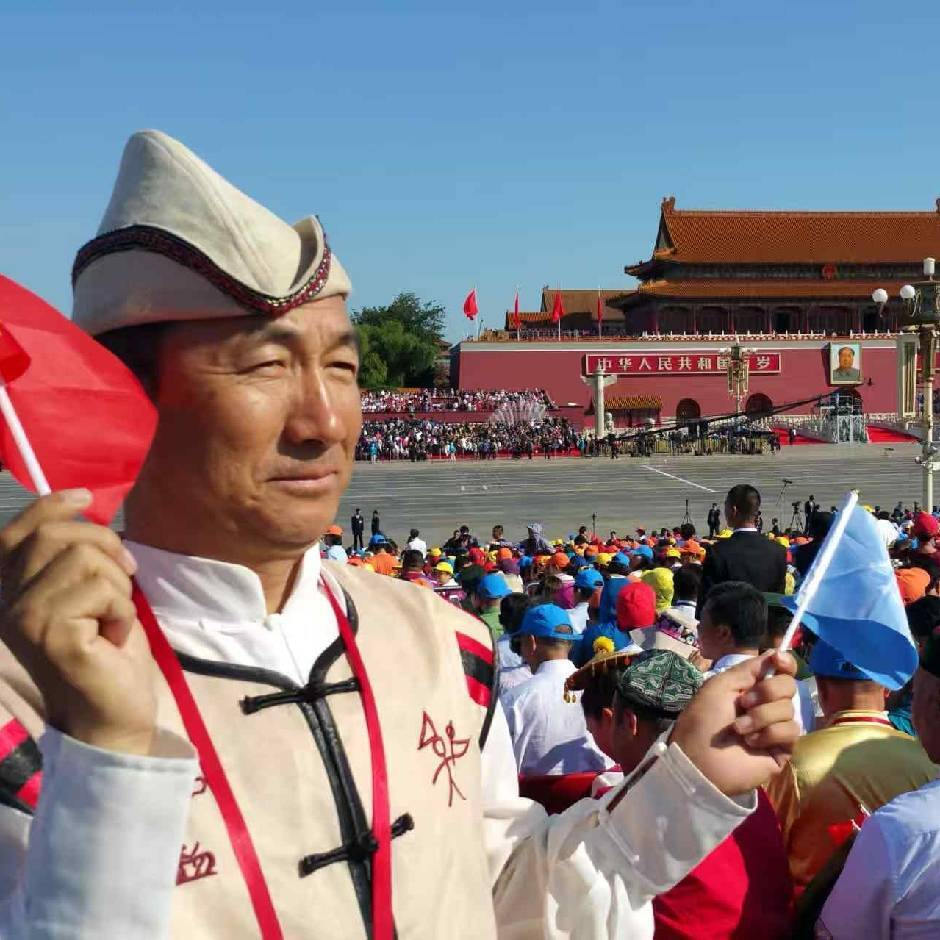
High in the mist-wrapped valleys of southwest China, a handful of elderly men still recite chants in a pictographic script older than Egyptian hieroglyphs. They are the Dongba priests, spiritual anchors of the Naxi people, and their role goes far beyond ceremony. Each ritual they perform—whether to bless a harvest, guide a departing soul, or mend a fractured household—draws from a living archive of symbols, myths, and ecological wisdom passed down not through books, but through decades of whispered apprenticeship.
Today, only a few dozen fully trained Dongba remain, and many are well past seventy. The reason is simple: the path demands years of memorizing hundreds of ritual texts, mastering intricate dance steps, and learning to read omens in wind, fire, and water. Young Naxi often leave for cities, drawn by modern jobs and digital lives. Yet in remote villages, you can still find a priest carving a new set of ritual implements from bamboo, or painting sacred figures on handmade paper, keeping a flicker of continuity against the pull of time.
What makes these priests remarkable is not nostalgia, but adaptation. Some now record their chants on smartphones, teach evening classes for curious teenagers, or perform blessing rites for new homes in towns. They don't see tradition as a museum piece—it's a tool for healing, order, and belonging. When you sit with a Dongba as he reads the stars or arranges offerings of barley and pine, the ancient doesn't feel distant. It feels like a quiet, stubborn pulse still beating beneath the surface of a changing world.
Learn to Write Your Name in Dongba Pictographs
Writing a name in Dongba pictographs is nothing like swapping letters one by one. Each syllable of your name becomes a tiny picture, either picked for a similar sound or a close meaning. That means two people with the same name might choose completely different symbols, depending on whether they care more about how it sounds or what it looks like.
Start by breaking your name into spoken chunks, such as Mi-chael or Sa-ra. Then look through a basic Dongba symbol chart and match each chunk to the nearest available sound. If there is no exact match, try a symbol with a similar consonant or vowel, or add a small mouth-shaped sign to show that the picture is being used for its sound rather than its meaning.
Arrange the chosen symbols in a column or a row, the way you might lay out a personal seal. Do not worry too much about a single correct version; even Naxi priests working with old manuscripts had their own small variations. Draw or paint your final set on a card or cloth, and it becomes a Dongba name unique to you.
Wander Through Yushui Village at Dawn Before the Crowds
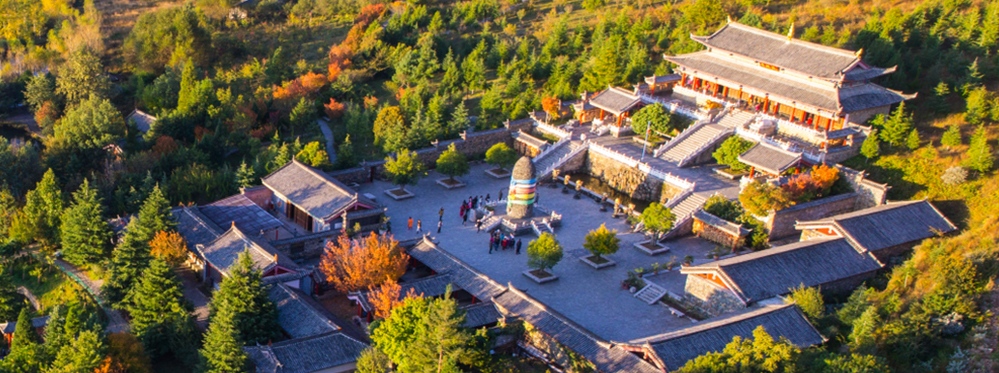
Yushui Village at dawn feels less like a destination and more like a place still waking from a long dream. Walk the narrow stone lanes before the first tour bus arrives and you'll hear water trickling through the old drainage channels instead of guide flags snapping in the wind. A few lanterns still glow under the eaves, their reflections shivering in puddles left by the overnight drizzle. An elderly woman pulls back a wooden shutter, a bicycle bell rings once down an alley, and then the silence returns. The famous pavilion has no queue, and you can stand there long enough to notice how the tiles are worn unevenly at the corners.
Head toward the upper terraces as the light begins to change. Mist drifts in layers over the rice fields, breaking apart just enough to reveal a cluster of slate roofs below. The air smells of damp earth and woodsmoke from someone's first fire of the day. On the old stone bridge, you might meet only a dog trotting home with muddy paws. This is the hour when Yushui keeps its gates open for the people who actually live there—and for the rare visitor willing to trade an empty camera roll for a slower kind of attention.
Taste Naxi Home Cooking in a Traditional Courtyard
The wooden gate creaks open into a cobbled courtyard where a Naxi family still cooks the way their grandparents did. Smoke drifts from a clay stove as slabs of cured pork belly sizzle over charcoal. You'll likely be offered a seat at a low table under the grapevine, not a menu. Dishes arrive one by one: naxi baba, a pan-griddled flatbread with a crackly edge and soft, almost chewy center; jidou liangfen, a chickpea jelly sliced into ribbons and doused with vinegar, chili oil, and crushed garlic; and a bowl of preserved rib hotpot that has been simmering since morning, the broth milky and fragrant with ginger and white peppercorns.
What makes this cooking distinctive is its patience. Many recipes begin with ingredients dried, salted, or fermented earlier in the year—sun-dried chilis, wind-cured ham, pickled greens. In the courtyard, you taste that time. A plate of chuishao (blown liver) arrives paper-thin and almost floral, while a simple stir-fry of potatoes with pickled cabbage carries a tang that cuts through the richness. The family may pour you a small glass of homemade barley wine, or offer yak butter tea with a savory edge. There is no rush, no fixed course; you eat slowly while chickens scratch near the kitchen door and the afternoon light moves across the tiled roof.
If you ask, the cook might show you how to pat out baba dough or explain which mountain herbs go into the rib broth. Meals end not with dessert but with fresh fruit from the courtyard tree and a final cup of tea. It feels less like dining out and more like being welcomed into someone's home—because, in most cases, you are.
Watch a Dongba Music Performance Under the Stars
The first notes rise from a courtyard on the edge of Lijiang's old town, where the only stage lighting is a scatter of stars. A Dongba priest in a dark robe steps forward, his shadow shifting as he strikes a bronze gong. Behind him, musicians cradle lutes, bamboo flutes, and hand drums that look older than the surrounding stone walls. No amplification, no LED screens—just breath, wood, and metal finding each other in the cool night air.
What follows isn't a concert in the usual sense. Chants roll out in the Naxi language, low and nasal, while cymbals hiss like wind through dry leaves. The rhythm doesn't build to a climax; it circles, repeats, and slowly pulls your attention upward. With no roof overhead, the music seems to climb toward the constellations—Orion, the Big Dipper, whatever happens to be passing over Yunnan that month. You stop checking your phone and start noticing how the drumbeats land between your heartbeats.
Sitting on a rough wooden bench, you'll likely feel the cold first, then the strange intimacy of the scene. Locals drift in and out, greeting the musicians by name. A child falls asleep against a parent's shoulder. The stars don't compete with the performance; they become part of it, just as Dongba cosmology sees the sky as a mirror of earthly rituals. Bring an extra layer, sit close to the front, and let the hour pass without trying to record every second.
Hike to the Sacred Spring That Gives the Village Its Name
The trail starts behind the old olive press, where a hand-painted sign points uphill through a tangle of wild thyme and limestone scree. For the first twenty minutes, you'll hear the village below more than you'll see it—the clatter of dishes from the taverna, a dog barking at a scooter, the metallic ring of a goat bell. Then the path levels out and the sound of water takes over, a low, constant murmur that pulls you toward the spring before you can see it.
Most hikers miss the spring's entrance because it's tucked between two boulders and shaded by a fig tree that drops fruit onto the path in late summer. Push aside the low branches and you'll find a small stone basin carved directly into the rock, fed by a trickle that never stops, even in August. The water is cold enough to make your teeth ache, with a faint mineral edge that locals say cures everything from headaches to bad luck. Nobody remembers the original name of the village—only that it came from this water.
Give yourself an hour for the round trip, but don't rush the descent. The view back down through the pines shifts with every switchback, and the evening light turns the rooftops copper just before the church bell rings. Sit on the low wall by the last bend and you'll understand why the spring was considered sacred long before the village grew around it.
FAQ
Skip the main drag and wander toward the stone-carved paths near the waterwheels. Ask a resident priest to translate your name into pictographs—they often share stories behind each symbol. Visit in the early morning when the mist hangs over the ponds and the village feels more like a living ritual space than an attraction.
Making Dongba paper from the bark of the local wikstroemia plant is surprisingly meditative. After the paper dries, practice writing a few pictographs with a bamboo pen. Many travelers find the slow pace of this workshop reveals more about Naxi philosophy than any plaque.
The blessing rituals performed by the village priests are compact but rooted in daily practice. If you arrive before noon, you might catch a shorter smoke offering near the sacred spring. Gestures matter more than duration—watch how the priest moves his hands, not just the costumes.
Head to the small museum near the upper terraces. The carved wooden panels there are older and less polished than the ones at the entrance. A local guide can point out which symbols are still used in funeral scrolls and which were adapted for tourism.
Order a plate of Naxi baba with a cup of butter tea at the family-run kitchen by the stream. If you're there in cooler months, the smoked tofu grilled over pine needles has a distinct aroma that pairs well with the village's fire-centric rituals.
Give it at least four hours. That allows time to walk the loop trail, sit through a paper-making session, and still linger at the waterwheels without rushing. Many people pair it with Baisha in the same day, but Yushui deserves its own unhurried afternoon.
Don't touch the ritual objects on altars, even if they're within reach. When photographing a priest, a small nod and waiting for eye contact goes a long way. If a ceremony is underway, stand behind the local worshippers rather than in front of them.
From Lijiang Old Town, a taxi takes about twenty minutes. Alternatively, the No. 6 bus drops you near Baisha, and it's a scenic walk or a short local minivan ride from there. Arriving before 9:30 lets you see the village before the crowds.
Conclusion
Yushui Village offers more than a glimpse of Naxi heritage—it invites you into the living heart of Dongba tradition. Begin by meeting the Dongba priests, whose quiet authority and intricate rituals have sustained this spiritual practice for centuries; their willingness to share stories, chants, and symbolic gestures makes the ancient feel immediate. Try your hand at writing your name in Dongba pictographs, the world's only surviving pictographic script, and you'll leave with a small piece of paper that carries a thousand years of meaning. For a deeper connection, rise early and wander the village at dawn, when stone lanes are empty and the mountains hold their breath—this is when Yushui feels most like itself.
Come midday, settle into a traditional courtyard for Naxi home cooking: smoky bacon, foraged greens, and the earthy comfort of baba bread, served by families who treat strangers like kin. As night falls, a Dongba music performance under the stars blends guttural chants with the tremble of bronze cymbals, a soundscape that seems to rise from the earth itself. And before you leave, hike the short trail to the sacred spring that gives the village its name—Yushui, or "jade water." Here, the cold, clear source is not just a scenic stop but a reminder that this culture, like the spring, still runs deep, cool, and alive.
Contact Us
Contact Person: Changhong He
Email: [email protected]
Tel/WhatsApp: 086-0888-5190152
Website: https://vip.e-baixing.com/ysh